The demand for CGI in 2026 is higher than ever before. As businesses compete to capture attention across digital platforms, computer-generated imagery (CGI) has evolved from a niche creative tool into a powerful marketing solution. Brands are no longer relying solely on traditional photography and video production. Instead, they’re embracing CGI to create stunning visuals, launch products faster, reduce production costs, and deliver immersive customer experiences.
From cosmetics and electronics to fashion, furniture, automotive, and consumer goods, nearly every industry is investing in CGI-driven marketing. Combined with advancements in artificial intelligence, real-time rendering, and cloud computing, CGI has become more accessible and efficient than ever.
In this guide, we’ll explore the biggest CGI trends, the future of CGI, emerging CGI technology trends, and how Product CGI is helping brands stay ahead in 2026.
What Are the Biggest CGI Trends in 2026?
Several major CGI trends are reshaping the creative industry and changing how businesses market their products.
One of the biggest trends is hyper-realistic rendering. Modern rendering engines can simulate realistic lighting, materials, shadows, and reflections so accurately that many consumers can’t distinguish CGI from real photography.
Another growing trend is real-time rendering, allowing designers to make instant changes without waiting hours for renders. This dramatically speeds up production and client approvals.
Brands are also embracing:
- AI-assisted 3D workflows
- Interactive 360° product experiences
- Augmented Reality (AR) integration
- Virtual product launches
- Digital twins for manufacturing and marketing
- Sustainable content production with fewer physical shoots
These innovations are making CGI more flexible, scalable, and cost-effective than traditional production methods.
What Is the Future of CGI in 2026?
The future of CGI is centered around speed, realism, automation, and personalization.
Businesses want content delivered faster than ever. Instead of organizing expensive photoshoots every time a product changes color, packaging, or size, companies can update digital assets within hours using CGI.
As GPU technology, cloud rendering, and AI continue to improve, CGI workflows will become even more efficient. Creative teams will spend less time on repetitive tasks and more time focusing on storytelling and design.
The future also includes:
- Personalized advertising using CGI
- Interactive shopping experiences
- AI-assisted scene generation
- Virtual influencers
- Digital showrooms
- Immersive brand experiences
CGI is no longer replacing photography—it is expanding what’s creatively possible.
Which CGI Technology Trends Are Transforming Marketing?
The latest CGI technology trends are helping brands produce premium-quality visuals faster and more affordably.
Some of the most influential technologies include:
Real-Time Rendering
Engines such as Unreal Engine allow creators to view high-quality scenes instantly, reducing production timelines.
AI-Assisted Workflows
Artificial intelligence is helping artists automate repetitive processes like object masking, texture generation, lighting suggestions, and animation assistance.
Physically Based Rendering (PBR)
Modern rendering systems accurately recreate real-world materials, giving products a premium and photorealistic appearance.
Cloud Rendering
Companies can now render complex scenes using cloud infrastructure instead of investing heavily in local hardware.
Virtual Production
Film studios and advertisers increasingly combine CGI with LED walls and virtual environments to reduce production costs while increasing creative flexibility.
These technologies are making CGI accessible not only to large enterprises but also to startups and growing businesses.
Why Is the Future of CGI Important for Modern Businesses?
The future of CGI matters because today’s customers expect visually engaging, premium-quality content across every platform.
Consumers make buying decisions within seconds. High-quality visuals build trust, communicate product quality, and improve conversion rates.
CGI helps businesses by:
- Reducing expensive reshoots
- Launching products before manufacturing
- Maintaining consistent branding
- Producing content for multiple platforms
- Creating unlimited variations without rebuilding sets
As online shopping continues to grow, visual quality is becoming one of the strongest competitive advantages for brands.
How Leading Brands Are Using CGI
Today, many global and emerging brands are integrating CGI into their commercial productions. Companies such as Dove, Blur India, and vivo use CGI to create high-quality visuals for digital campaigns, social media, and television advertisements. CGI enables brands to showcase products with complete creative freedom, maintain visual consistency, and produce content that would often be expensive or difficult to achieve through traditional filming alone.
At VNS Creative Agency, we’ve had the opportunity to work with brands including Dove, Blur India, and vivo, delivering premium CGI visuals tailored for commercial campaigns. Product CGI and high-end 3D advertising are among our core specialties, helping businesses create photorealistic content that captures attention across digital platforms, e-commerce stores, and TV advertising.
If you’d like to see examples of our work, explore our portfolio at https://vnscreatives.com, where you’ll find a collection of CGI product renders, commercial animations, product visualizations, and advertising projects created for a wide range of brands.
How Can CGI for Brands Improve Marketing and Sales?
CGI for brands goes far beyond creating beautiful images. It helps businesses market smarter.
Instead of organizing multiple product photoshoots, companies can create one accurate 3D model and generate:
- Product images
- Lifestyle scenes
- Social media creatives
- Commercial videos
- Website banners
- Amazon listing images
- Packaging mockups
- Print advertisements
Because everything is created digitally, brands can quickly update colors, labels, packaging, or promotional designs without repeating an entire production process.
This flexibility shortens marketing timelines while reducing overall production costs.
Why Is Product CGI Becoming Essential in 2026?
Product CGI has become one of the most valuable tools for modern product marketing.
Unlike traditional photography, Product CGI allows businesses to create marketing assets before the physical product even exists.
Benefits include:
- Photorealistic product images
- Unlimited color and packaging variations
- Consistent branding
- Faster product launches
- Cost savings on repeated shoots
- Easy content localization for global markets
Whether launching a skincare product, electronics, furniture, beverages, or luxury packaging, Product CGI provides complete creative control.
For brands with large product catalogs, CGI dramatically improves efficiency while maintaining visual consistency.
How Is CGI for Tech Products Changing Product Launches?
CGI for Tech Products has transformed how electronics companies introduce new devices.
Technology products often require highly polished visuals before manufacturing is complete. CGI makes this possible.
Companies can create:



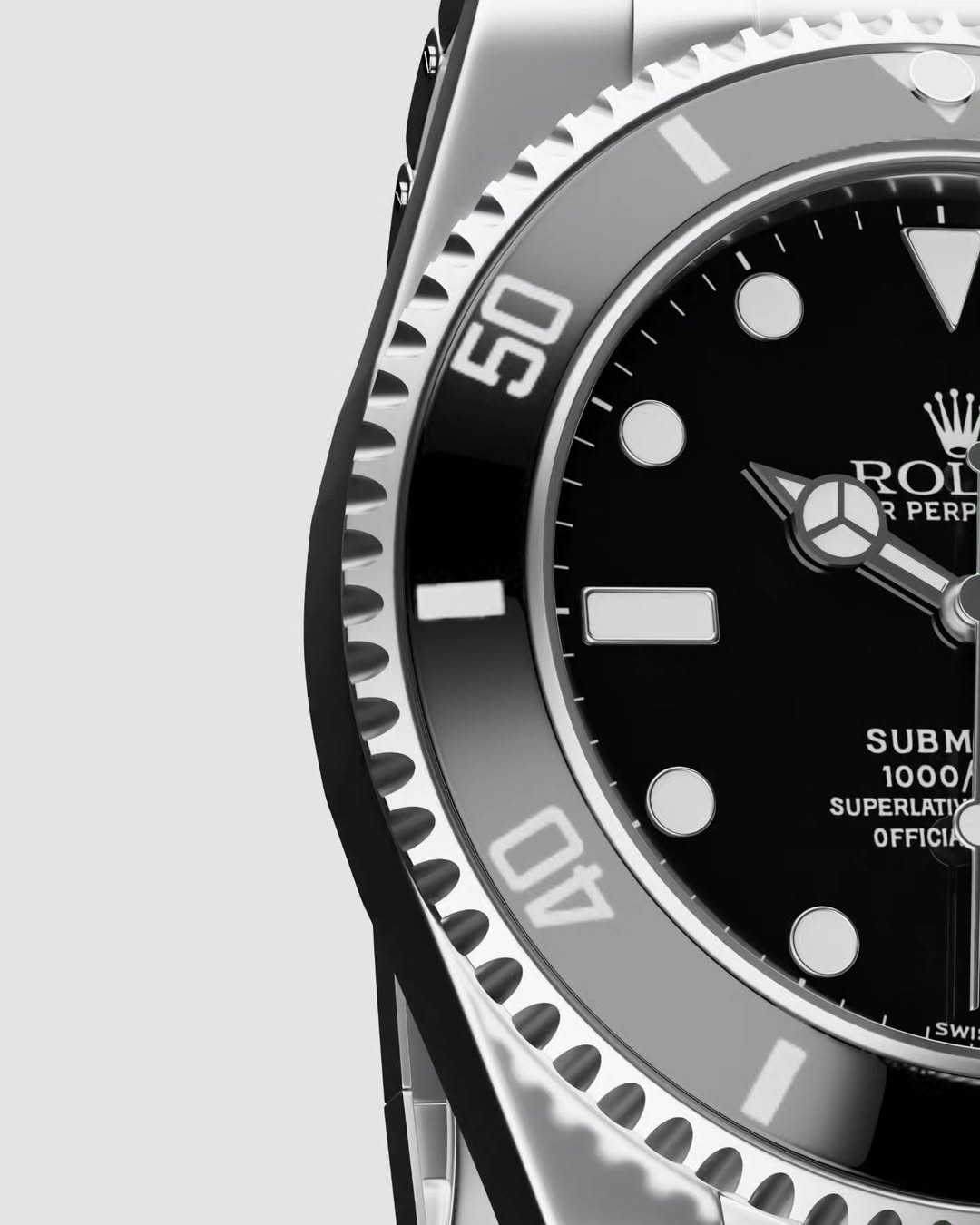
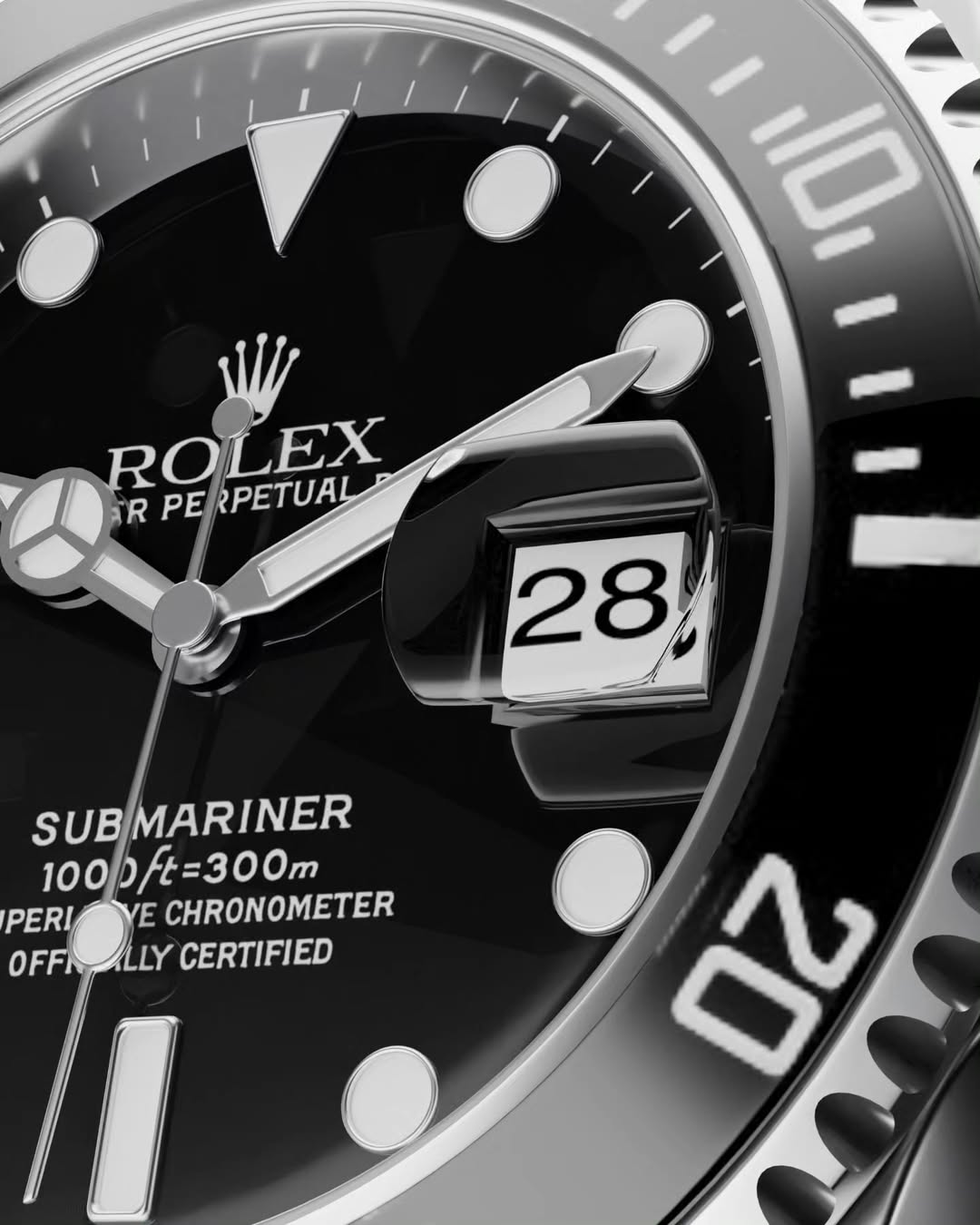
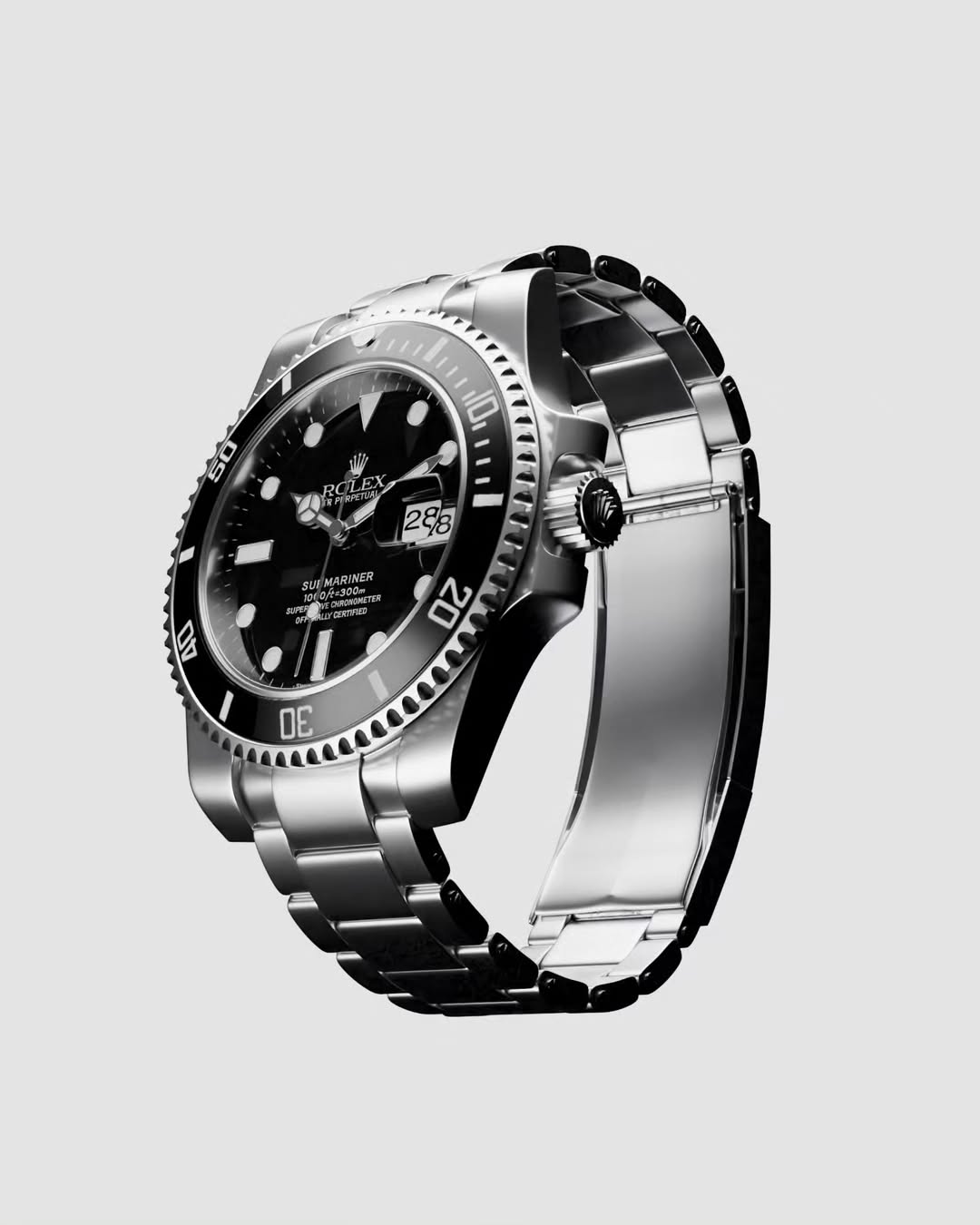



- Smartphone launch videos
- Laptop advertisements
- Smartwatch animations
- Product explainer videos
- Internal component visualizations
- Feature demonstrations
- Interactive 3D viewers
This allows marketing campaigns to begin months before products reach consumers.
The result is faster launches, stronger marketing campaigns, and increased customer excitement.
Will AI Replace CGI Artists in 2026?
AI has become an important creative assistant, but it is unlikely to replace skilled CGI artists anytime soon.
AI can automate repetitive work, generate concepts, and accelerate workflows. However, creating premium commercial visuals still requires artistic direction, technical expertise, product knowledge, and storytelling skills.
Successful CGI projects combine technology with human creativity.
The future belongs to artists who know how to leverage AI—not compete against it.
Should Your Business Invest in CGI in 2026?
For many businesses, the answer is yes.
If your company regularly creates marketing visuals, launches products, or advertises online, CGI can reduce costs while improving content quality.
CGI is particularly valuable for:
- Cosmetics
- Skincare
- Consumer electronics
- Furniture
- Food and beverages
- Fashion
- Luxury goods
- E-commerce brands
- Manufacturing companies
- Technology startups
Businesses investing in CGI today are building digital assets that can be reused across websites, social media, advertisements, presentations, and future campaigns.
Conclusion: Is CGI in 2026 the Future of Visual Marketing?
The future of CGI in 2026 is defined by innovation, speed, realism, and flexibility. As rendering technology, artificial intelligence, and virtual production continue to evolve, CGI will become an essential part of every modern marketing strategy.
Brands that embrace CGI today gain a significant competitive advantage by producing premium visuals faster, reducing production costs, and creating marketing campaigns that stand out in increasingly crowded digital spaces.
Whether you’re launching a new product, refreshing your brand identity, or building immersive customer experiences, CGI offers limitless creative possibilities. As technology continues to advance, businesses that invest in high-quality CGI content will be better positioned to attract customers, strengthen brand perception, and drive long-term growth.
Frequently Asked Questions
Is CGI better than traditional product photography?
CGI offers greater flexibility, unlimited product variations, and lower long-term production costs, while traditional photography remains valuable for capturing real-life authenticity. Many brands now use both together.
Which industries benefit the most from CGI?
Cosmetics, skincare, technology, automotive, furniture, fashion, food, luxury goods, and e-commerce businesses see significant benefits from CGI.
Is CGI expensive?
Initial costs vary, but CGI often becomes more cost-effective than repeated photoshoots because digital assets can be reused and updated easily.
Will AI replace CGI artists?
No. AI is improving workflows, but creative direction, storytelling, technical expertise, and high-end commercial quality still depend on experienced CGI artists.
Need premium CGI content for your brand?
At VNS Creative Agency, we create photorealistic Product CGI, 3D product animations, commercial visuals, and high-end product photography that help brands launch products faster and market them more effectively. Whether you’re a startup or an established business, our team delivers visuals designed to increase engagement and showcase your products at their best.
Contact us today to elevate your automotive marketing with professional 3D imagery.Contact Us to start your projectExplore More Work