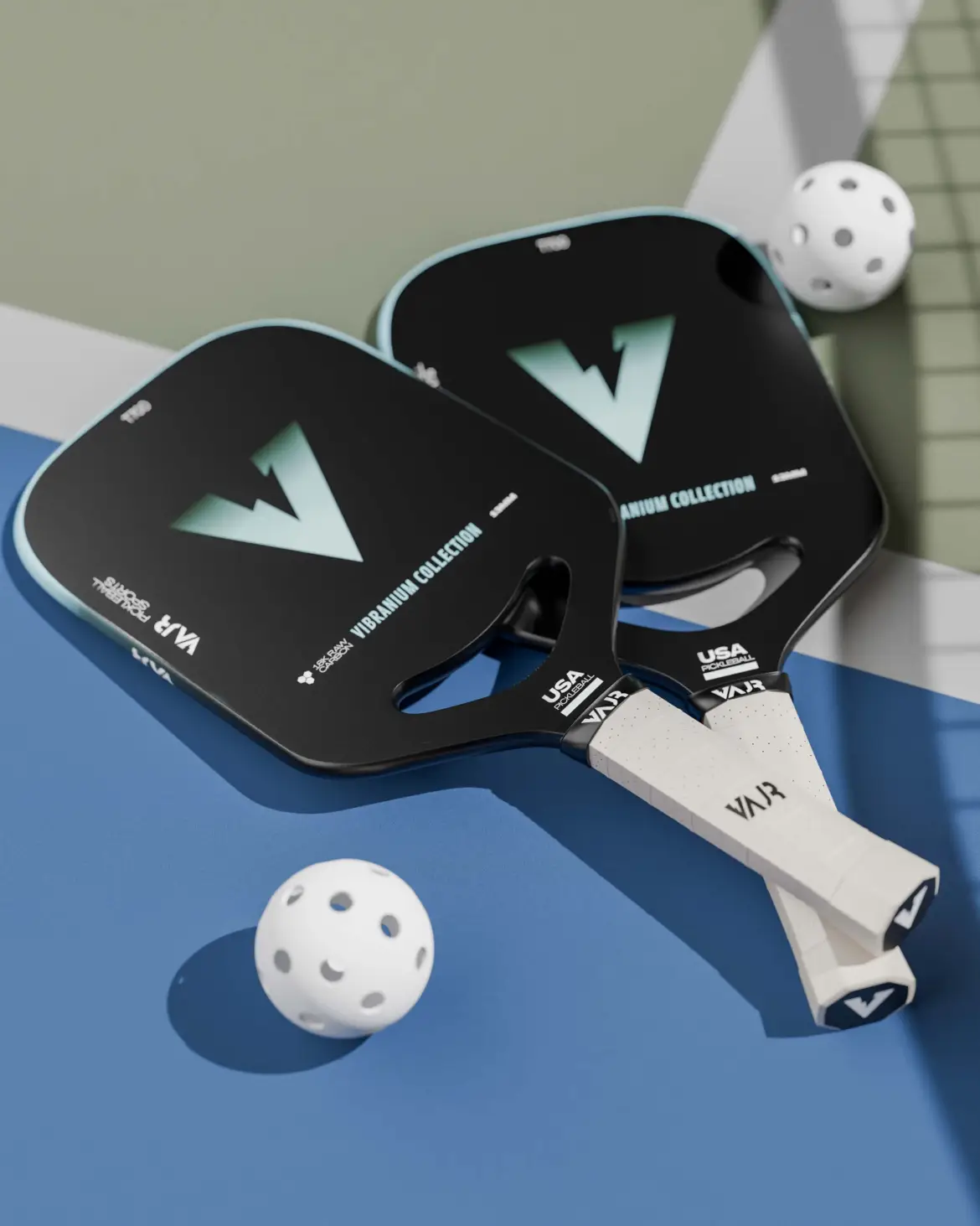
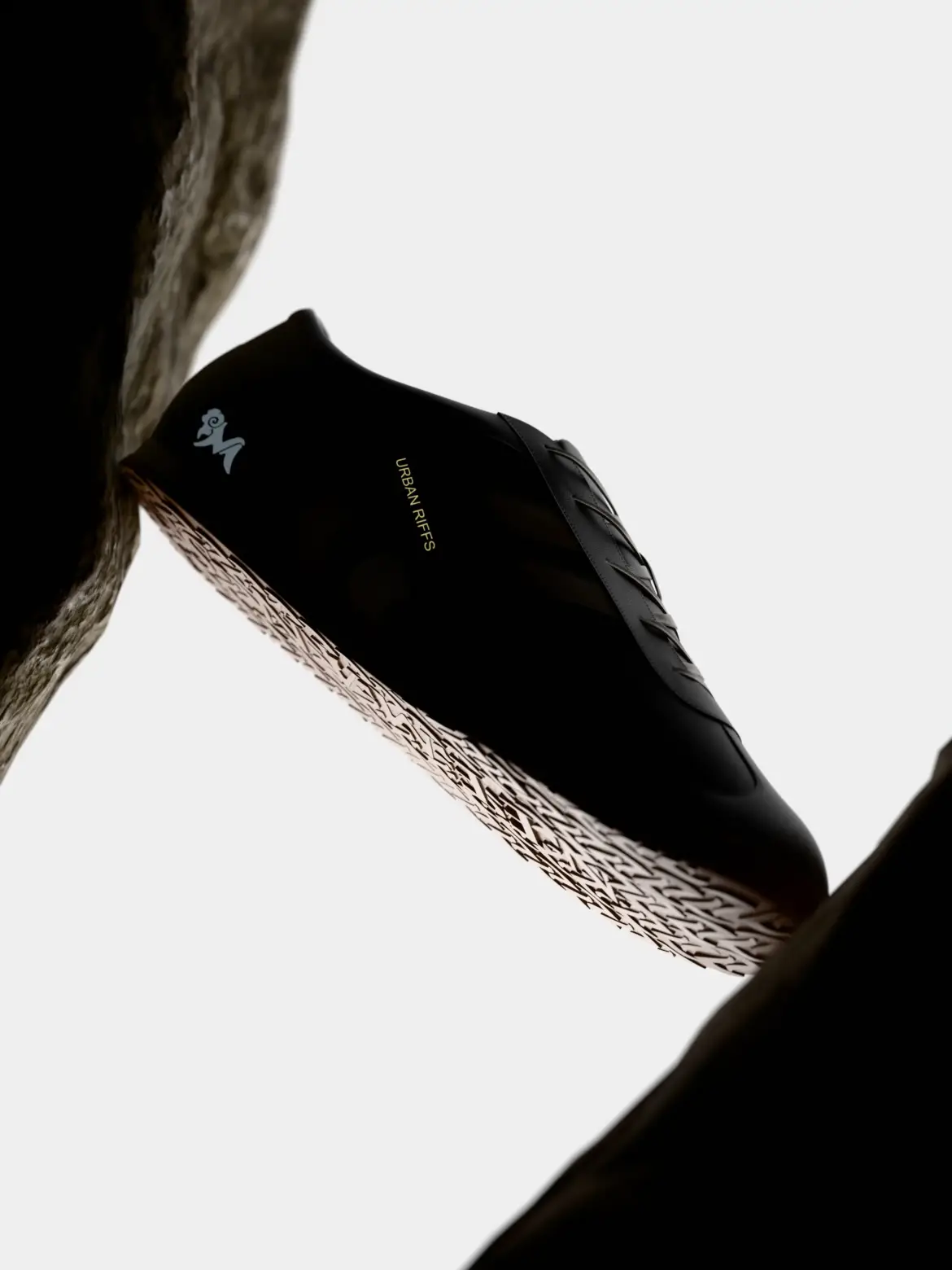
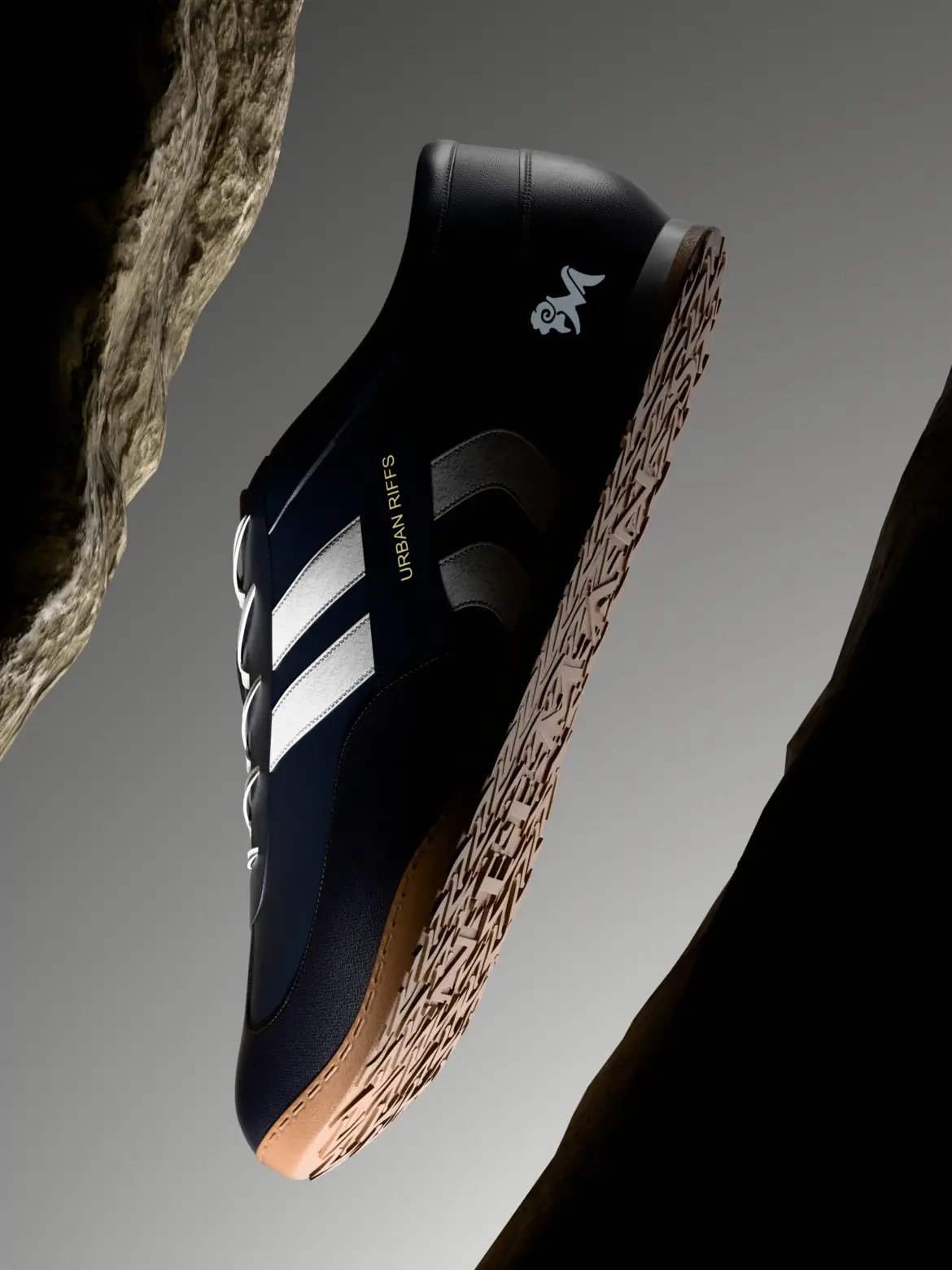
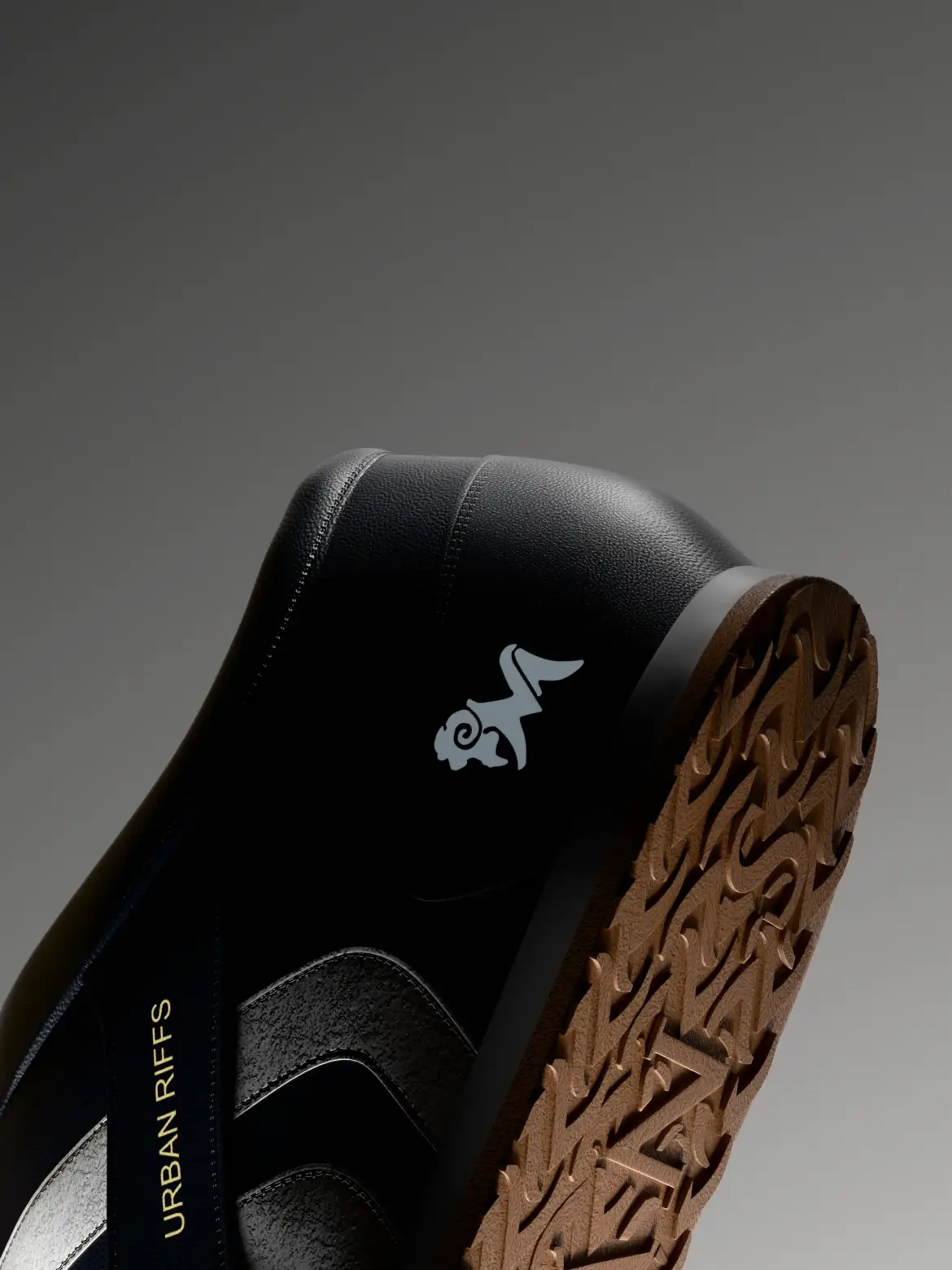



A great product can have excellent features, thoughtful design, and premium packaging. But before customers experience any of that, they usually experience one thing first: the visual.
That is where an animation product approach can change the way a brand advertises.
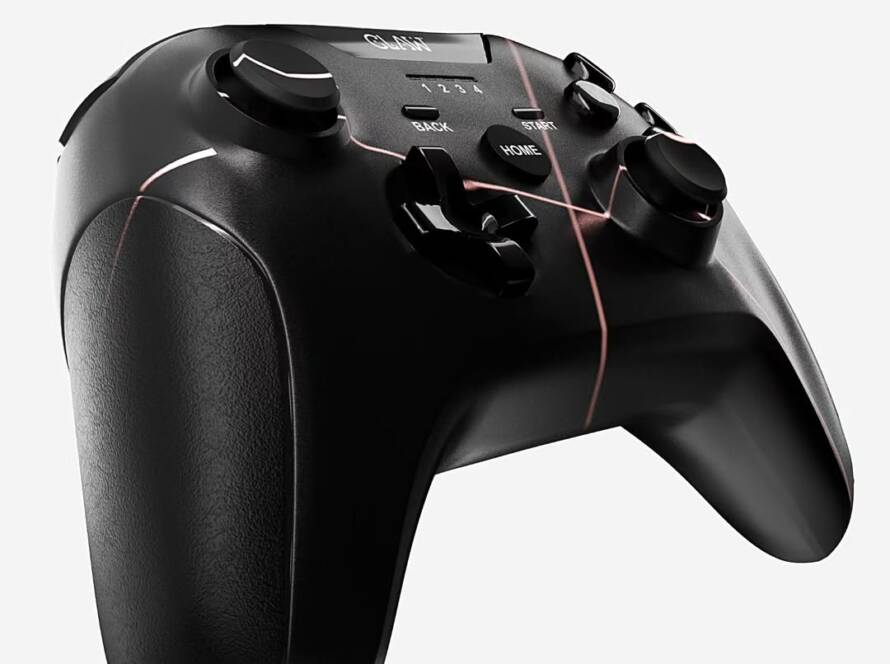
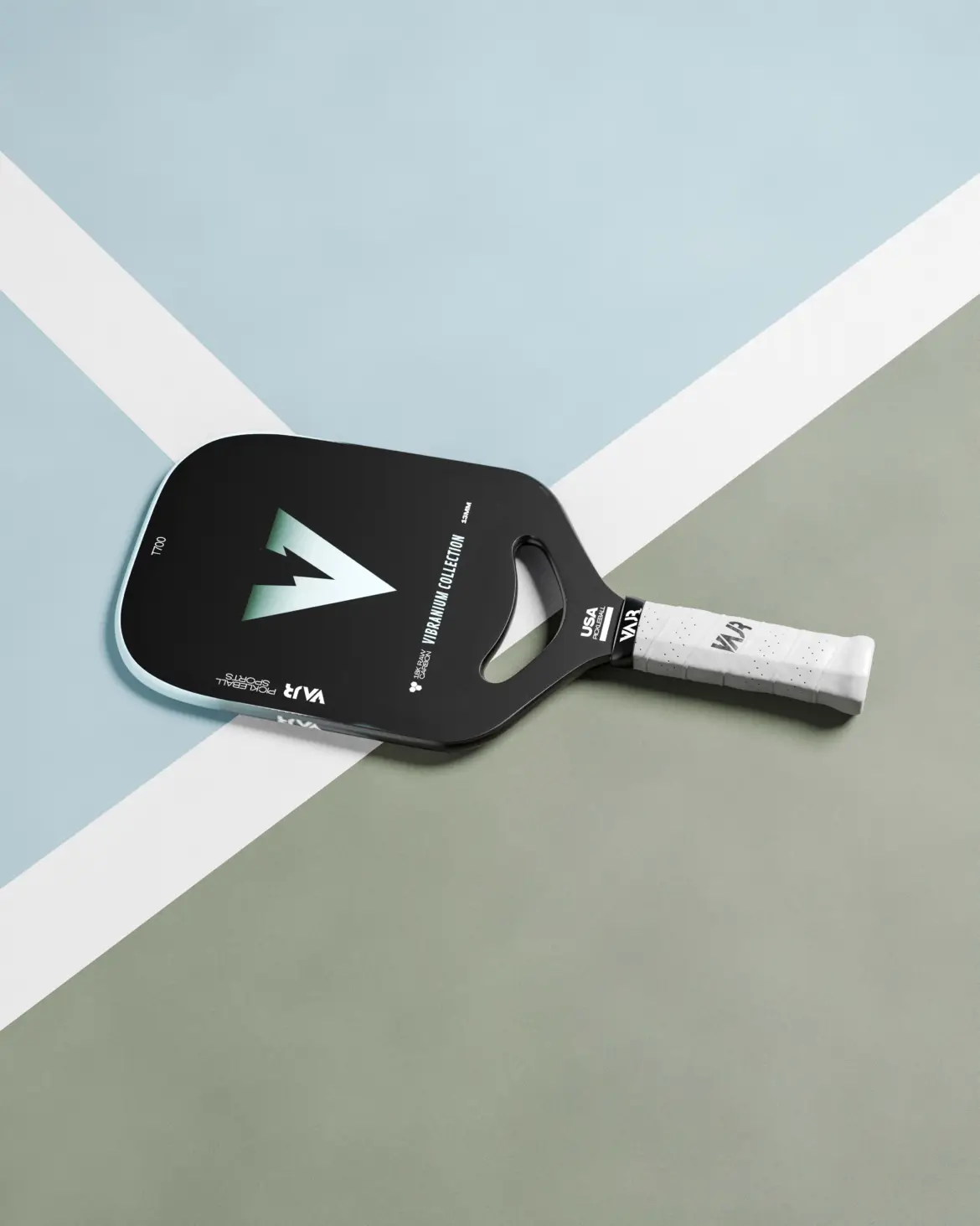
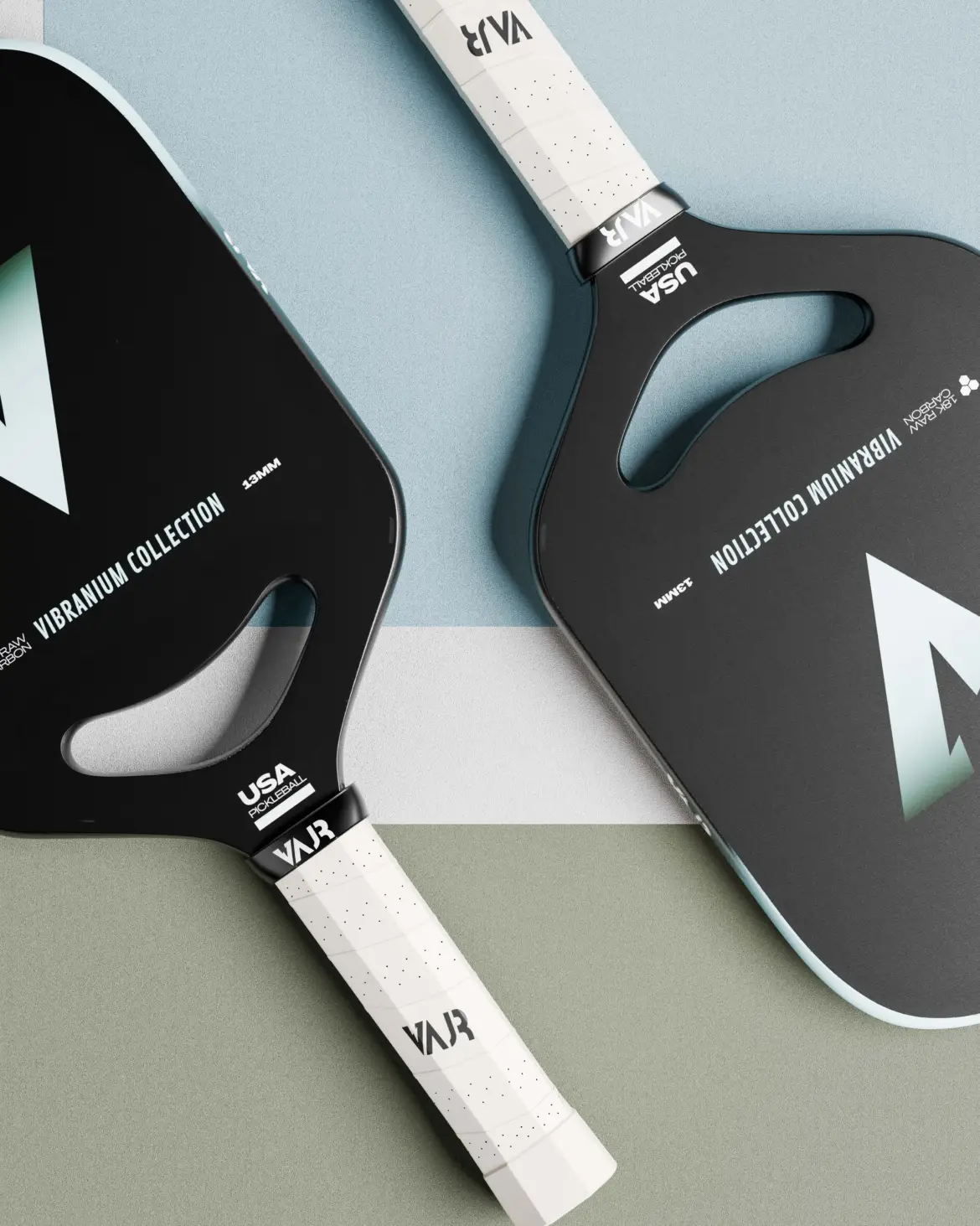
Instead of placing a product in front of a camera and simply recording it, brands can use 3D animation and CGI to build an entire cinematic world around it. The product can float through impossible environments, break apart to reveal its internal components, interact with liquids or particles, and move through scenes designed specifically for the campaign.
Modern product animation is no longer limited to a rotating 3D model on a plain background. It has become a commercial storytelling tool capable of creating launch films, digital advertisements, social content, product reveals, and high-impact marketing campaigns.
At VNS Creative Agency, we create high-end 3D visuals, commercials, and animated product experiences designed to turn physical products into attention-grabbing digital content.
What Does Animation Product Mean in Modern Advertising?
The term animation product can describe the process of using animation to present, demonstrate, or advertise a product.
In commercial advertising, however, the goal is much bigger than simply making an object move.
A strong 3D animation product project combines multiple creative disciplines, including:
- 3D modeling
- Product visualization
- Materials and texturing
- Cinematic lighting
- Camera animation
- Motion design
- Visual effects
- CGI rendering
- Editing and post-production
The result can feel closer to a film commercial than a conventional product demonstration.
For example, our Bud Naked Beauty 3D animation project used detailed 3D product modeling, realistic materials, cinematic lighting, camera movement, and fluid elements to create a premium visual experience around the product.
The product remains the hero, but animation determines how the audience discovers it.
Why Are Brands Turning to 3D Product Animation for Commercials?
Traditional production has physical limitations.
A camera needs a physical product. A studio needs equipment and space. Complex visual effects may require additional production, and changing the product after a shoot can mean starting significant parts of the process again.
3D product animation changes that workflow.
Once a product has been accurately recreated as a digital asset, the creative team can control almost every part of the visual experience. The camera can move through impossible angles. Lighting can be redesigned for every shot. Products can appear in environments that do not physically exist.
A CGI product animation can also be developed before the final product is physically available, making it particularly useful for launches and pre-release marketing.
This gives brands more than a replacement for a traditional shoot. It gives them another creative production method.
How Does a Product Become the Hero of a Cinematic Commercial?
The difference between an ordinary animation and a cinematic product commercial often comes down to intention.
Every movement should answer a creative question.
Why does the camera move?
Why does the product rotate?
Why is this detail shown at this moment?
Why does the lighting change?
In effective product animations, movement is not added simply because animation is possible. It is used to create anticipation, reveal information, establish mood, and direct attention.
A close camera movement can make packaging details feel premium.
A slow reveal can build anticipation.
A dramatic transition can introduce a new product feature.
An impossible camera angle can create a shot that would be difficult to achieve through conventional filming.
This is where product marketing animation becomes a storytelling tool rather than a technical demonstration.
What Makes 3D Product Animation Different From a Simple Product Render?
A product render captures a moment.
A 3D product animation creates a sequence of moments.
A still CGI image may communicate shape, material, colour, and design. Animation adds timing, movement, progression, and emotion.
That allows brands to guide the viewer through a product experience.
For example, a commercial can begin with an abstract environment, gradually reveal the product, move into a close-up of a key feature, introduce visual effects that support the brand identity, and finish with a hero shot designed for the campaign.
This is particularly valuable for products that need more than one image to communicate their value.
Technology products can reveal internal components.
Beauty products can interact with liquid and texture.
Luxury products can use controlled lighting and reflections to emphasize craftsmanship.
Consumer products can be placed inside stylized environments that communicate personality and lifestyle.
The possibilities of product CGI allow the visual story to be designed around the product rather than around the limitations of a physical location.
How Is Product CGI Used to Create Impossible Commercial Shots?
One of the biggest advantages of product CGI is creative control.
In a physical studio, gravity, space, equipment, reflections, and camera placement can limit what is possible.
With CGI, the creative environment can be built from scratch.
A product can:
- Float in the air
- Move through abstract environments
- Appear before manufacturing is complete
- Separate into individual components
- Transform between colours or configurations
- Interact with liquid, particles, smoke, or light
- Remain perfectly positioned while the environment changes around it
That does not mean every commercial should use impossible effects.
The best CGI is usually guided by the product and the brand.
A luxury watch may require subtle camera movement and precise reflections. A skincare product may benefit from fluid animation and soft lighting. An electronics commercial may use exploded views and internal animations.
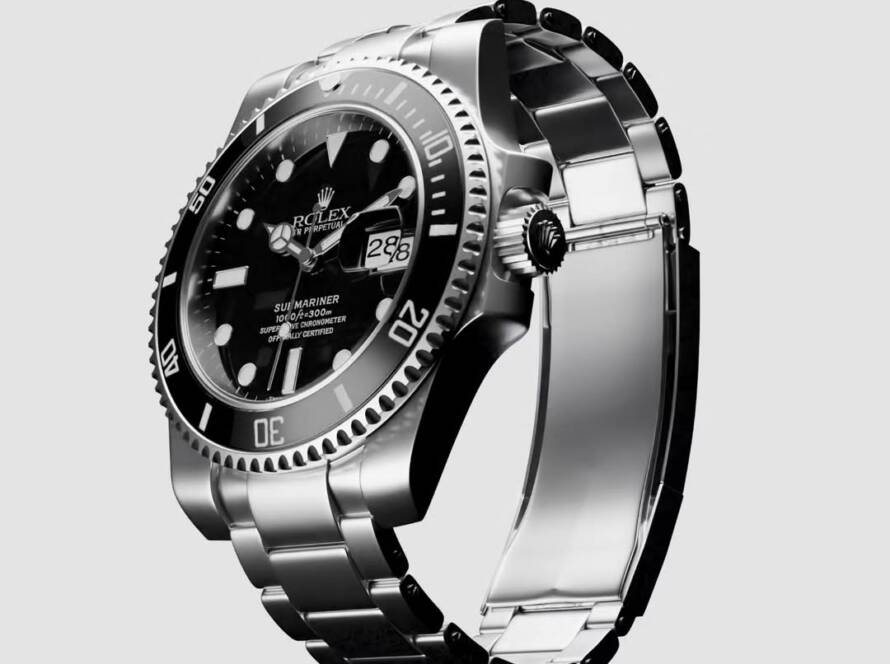
Our Rolex product visualization and CGI project demonstrates how 3D visualization can be used to control lighting, materials, reflections, and camera angles for a premium product presentation.
Can CGI Product Animation Replace Traditional Product Filming?
Not always.
CGI and traditional filming are different tools, and many campaigns benefit from combining both.
Real photography can provide authenticity, human interaction, and natural environments. CGI product animation provides control, flexibility, repeatability, and the ability to create visuals before or beyond what can be physically filmed.
The decision depends on the campaign.
CGI can be particularly effective when:
- The product is not physically available yet
- Multiple product variations are required
- The campaign requires impossible camera movements
- Complex visual effects are central to the idea
- Products need to be reused across multiple campaigns
- Consistent lighting and visual quality are important
Rather than asking whether CGI is better than photography, brands can ask which production method best supports the commercial idea.
That flexibility is one reason 3D animation product workflows are becoming increasingly valuable for product marketing.
How Does 3D Content Distribution Extend the Value of a Product Animation?
A commercial should not necessarily be created for one screen and then forgotten.
One of the major advantages of a digital product asset is 3D content distribution.
The same core 3D model and animation production can potentially support multiple pieces of content.
A campaign can be adapted into:
- A full-length commercial
- Short social media advertisements
- Vertical videos
- Product launch teasers
- Website hero videos
- E-commerce animations
- Digital advertising creatives
- Still product renders
- Lifestyle visuals
- Feature demonstrations
Instead of treating every platform as a completely separate production, brands can develop a flexible visual system around the same product asset.
A single animation product project can therefore become the foundation for a larger content ecosystem.
This approach is especially useful for brands that need consistent visual communication across websites, advertising campaigns, social platforms, and product launches.
What Is the Process Behind Creating a CGI Product Animation?
The production process begins long before the final animation is rendered.
Product Analysis
The first step is understanding the product itself.
Its proportions, materials, design details, features, and intended market all influence the creative direction.
3D Product Modeling
The product is recreated as a digital 3D model.
For commercial close-ups, accuracy is important. Small details that may be difficult to notice in a photograph can become visible when a virtual camera moves close to the object.
Materials and Product CGI
The model is then developed to look realistic.
Materials determine how surfaces interact with light. Metal, glass, plastic, fabric, liquid, and painted surfaces all respond differently.
This stage plays a major role in creating convincing product CGI.
Creative Direction and Storyboarding
Before the final animation begins, the visual story needs direction.
The team determines how the product will be introduced, what features need to be highlighted, how the camera should move, and what visual language supports the campaign.
Animation and Camera Movement
The product, camera, and any additional visual elements are animated.
This is where the project begins to move from a static visualization toward a commercial experience.
Lighting and Rendering
Lighting gives the product shape, depth, atmosphere, and visual hierarchy.
Rendering then converts the 3D scene into the final images or frames used in the animation.
Post-Production
Finally, the rendered shots are assembled, edited, composited, colour-treated, and prepared for the intended platforms.
The objective is not simply to create technically impressive 3D work.
The objective is to create a commercial that makes the product more interesting to watch.
Why Does Cinematic Lighting Matter in Product Animation?
Lighting can completely change how a product is perceived.
The same 3D model can look inexpensive, flat, dramatic, elegant, futuristic, or luxurious depending on how it is lit.
In product animation, lighting helps control:
- Surface detail
- Reflections
- Depth
- Contrast
- Mood
- Visual hierarchy
- Product silhouette
A highlight can reveal the edge of a product.
A reflection can communicate the finish of a material.
A shadow can make the object feel grounded within a scene.
Because the environment is digital, every part of the lighting setup can be designed specifically for the shot.
That level of control is one of the reasons brands use 3D visuals for premium product commercials and digital advertising.
How Can Product Marketing Animation Improve a Product Launch?
A product launch needs attention.
But attention alone is not enough.
The audience also needs to understand what is being launched and why they should care.
Product marketing animation can help structure that experience.
A launch animation can introduce the product before revealing its features. It can create anticipation through pacing, establish a visual identity through colour and environment, and communicate complex functionality through motion.
For technology products, animation can reveal features that are difficult to communicate through photography alone.
For beauty and skincare products, it can create sensory associations through liquid, texture, and movement.
For premium products, it can create a controlled visual world where every reflection and camera angle reinforces the desired perception.
At VNS Creative Agency, our commercial and promotional content is designed around this idea: using movement and visual storytelling to make the product the centre of the campaign.
Can One 3D Product Asset Create Multiple Marketing Campaigns?
Yes, and this is one of the strongest long-term advantages of building an accurate digital product asset.
Once the core model exists, it may be adapted for future content.
The same product can appear in:
- A cinematic commercial
- A new colour campaign
- A seasonal advertisement
- A product launch teaser
- E-commerce visuals
- Social media content
- Lifestyle scenes
- Feature animations
Changes can still require creative and technical work, but the process does not necessarily begin from zero every time.
This makes a high-quality 3D product animation workflow valuable beyond the first video.
The product becomes part of a reusable digital content library.
Why Are Product Animations Becoming More Important for Digital Advertising?
Digital advertising has created more places for products to appear—and more competition for attention.
A static image may be enough in some situations. In others, movement can communicate far more within a few seconds.
Product animations can create visual contrast in a crowded feed, demonstrate a feature quickly, establish a premium perception, or turn an otherwise ordinary product shot into a more memorable advertisement.
The goal should not be to animate everything.
The goal should be to use animation where movement improves communication.
A successful commercial often knows when to move and when to remain still.
That balance between visual impact and product clarity is what separates useful animation product content from animation that exists only for decoration.
What Should Brands Consider Before Creating a 3D Product Animation?
Before beginning production, brands should consider a few important questions.
What is the objective of the commercial?
Who is the audience?
Which product features matter most?
Where will the content be distributed?
How long should the animation be?
Does the brand need one video or a larger group of marketing assets?
The answers influence the creative direction and production workflow.
A 15-second social advertisement may require a very different approach from a 60-second product launch film.
Likewise, a product designed for e-commerce may need additional feature demonstrations, while a luxury campaign may focus more heavily on mood and visual perception.
The strongest projects begin with a clear marketing objective and then use CGI, animation, lighting, and storytelling to support it.
Is Animation Product the Future of Product Commercials?
The future of product advertising is unlikely to be limited to one production method.
Photography, live-action video, CGI, AI-assisted workflows, and 3D animation will continue to coexist.
However, animation product content gives brands a powerful level of creative control.
Products can be visualized before they physically exist. Campaigns can create environments that would be difficult to build. A single digital asset can support multiple formats through 3D content distribution.
Most importantly, animation gives brands another way to turn a product into a story.
The product does not have to sit still.
It can be revealed.
It can transform.
It can move through an environment designed around its identity.
It can become the central character of a cinematic commercial.
That is the real potential of product animation and CGI product animation.
The technology makes the visuals possible.
But creative direction determines whether the audience remembers them.
How Can VNS Creative Agency Turn Your Product Into a Cinematic Commercial?
At VNS Creative Agency, we create 3D product visuals, CGI renders, product animations, commercial videos, and digital advertising content for brands that want their products to stand out.
From detailed product modeling and realistic product CGI to cinematic camera movement and final post-production, our workflow is designed to transform products into visually striking commercial experiences.
Whether you are launching a new beauty product, technology device, consumer product, luxury item, or e-commerce brand, a well-executed 3D product animation can give your campaign the creative flexibility to go beyond a conventional product shoot.
Explore our portfolio to see our latest work and discover how we approach 3D visualization, animation, and commercial product content.
If you are ready to turn your product into a cinematic commercial, contact VNS Creative Agency to discuss your next project.