A product used to need a camera before it could become an advertisement.



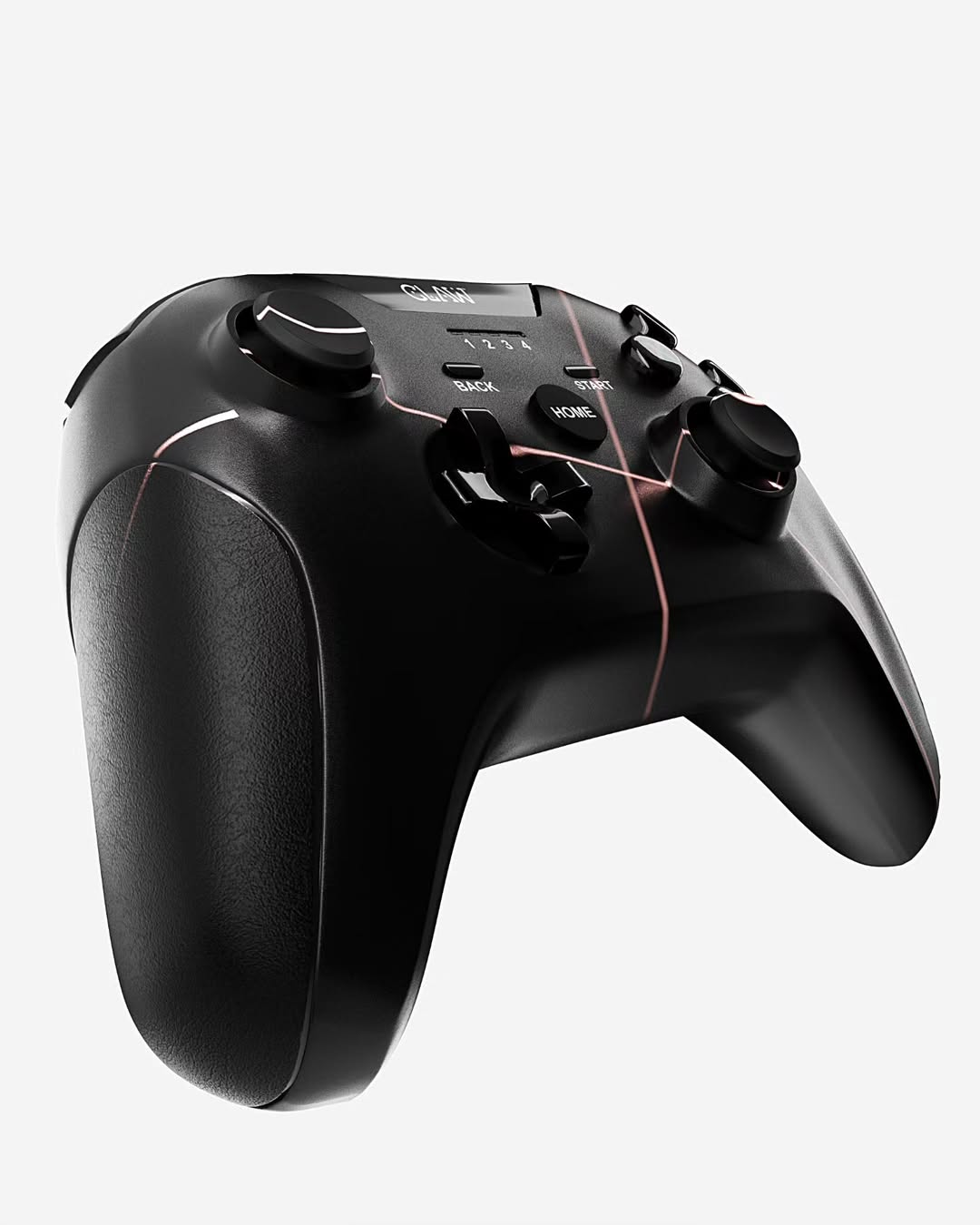
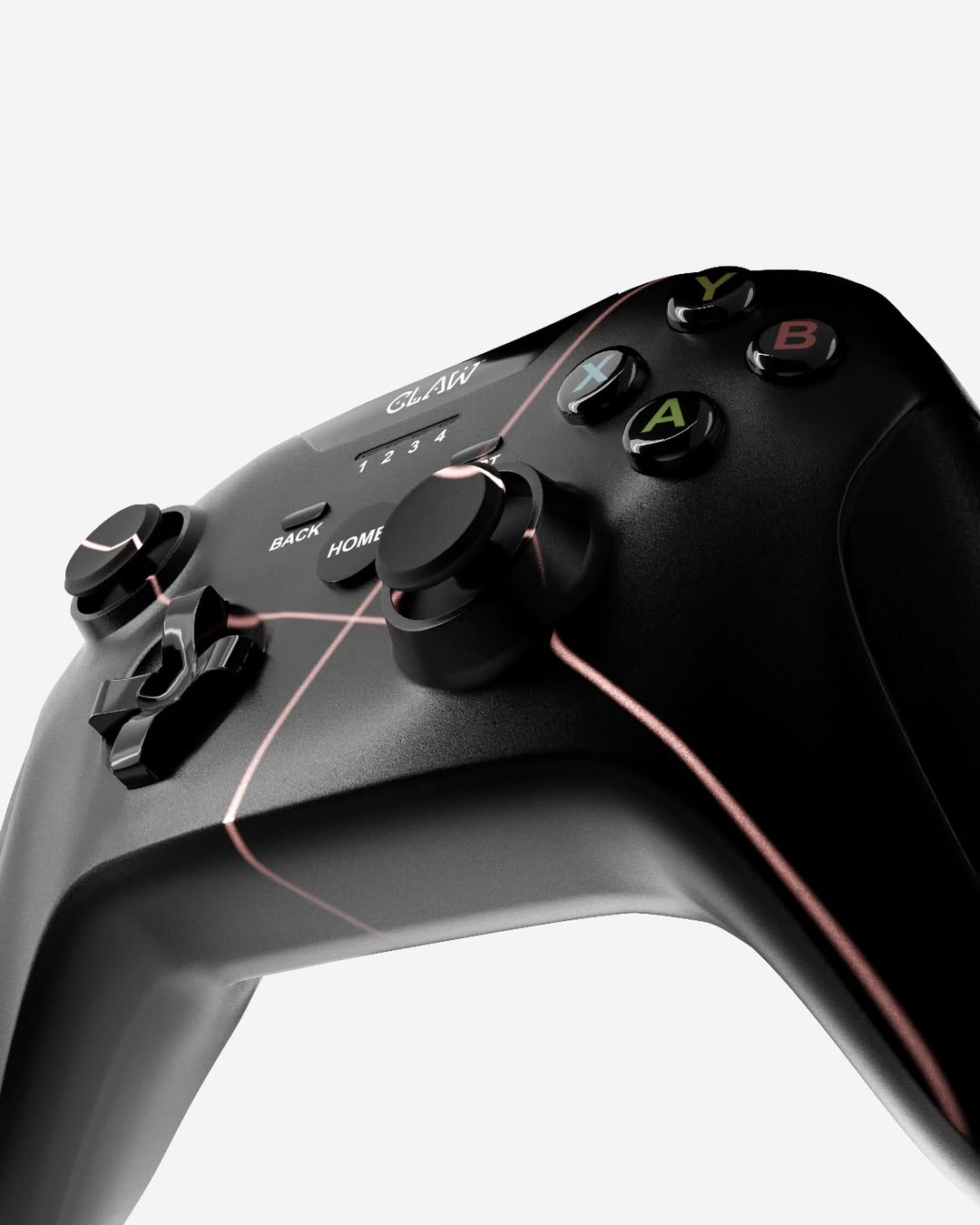
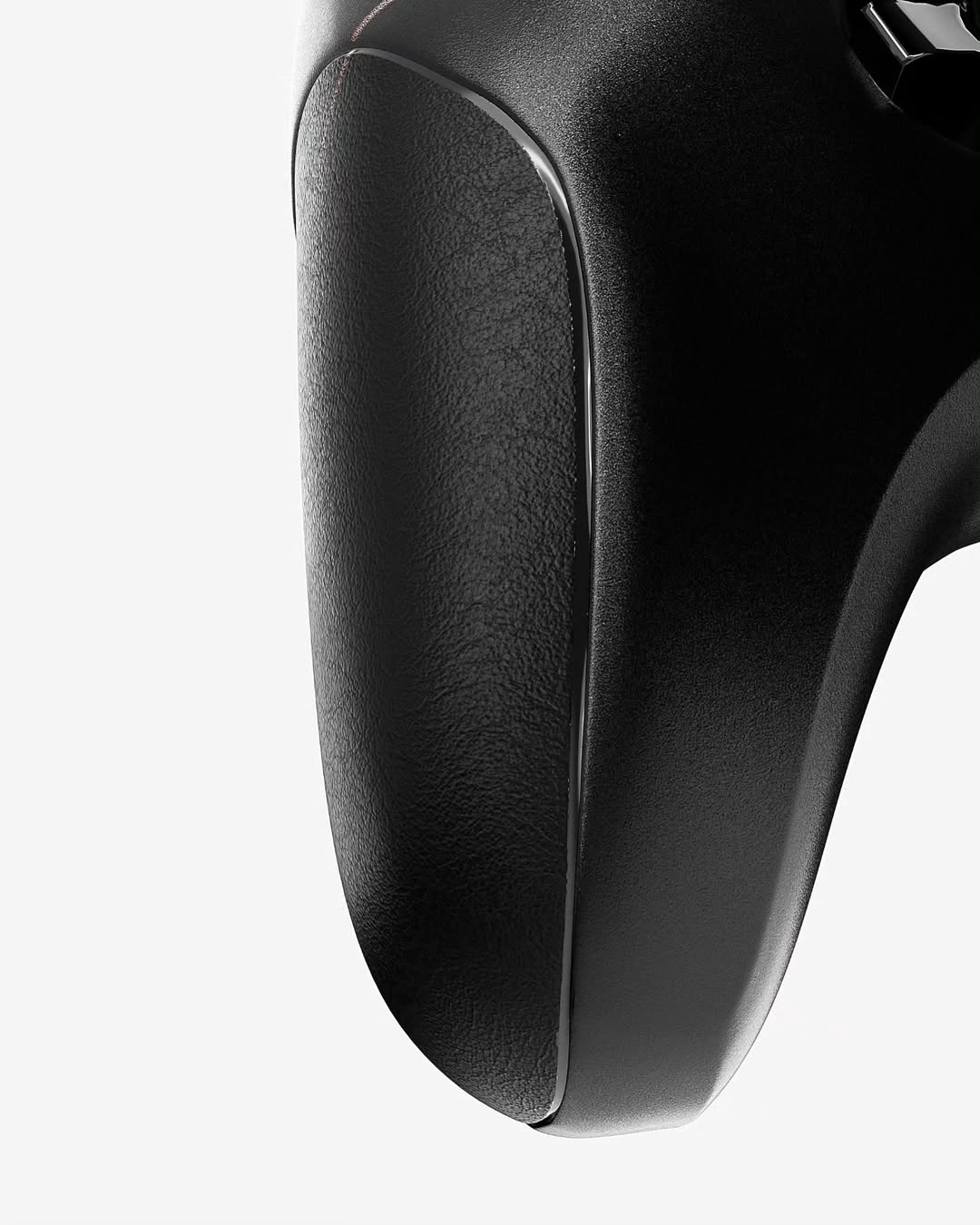






Today, that is no longer the case.
With product CGI, brands can build a digital version of a product and use it as the foundation for an entire visual campaign. The same asset can become a product image, a lifestyle visual, a product animation, a commercial, a social media video, or even a collection of advertising creatives.
This changes more than how products are rendered.
It changes how brands think about content production.
Instead of creating every visual from scratch, a brand can build one highly accurate digital product and continue developing content around it.
That makes product CGI particularly interesting for brands that need more than a single product photograph. It gives creative teams control over the product, environment, lighting, camera, materials, motion, and visual effects without being restricted by a physical studio.
Why Is Product CGI Becoming More Than Just a Rendering Technique?
CGI was once primarily associated with creating realistic digital images.
Today, its role is much broader.
A detailed digital product can become the starting point for an entire campaign. The model can be placed in different environments, shown from different angles, animated, transformed, or combined with simulations and visual effects.
This is especially useful when a brand needs content for several stages of the customer journey.
A clean product render may be used on an e-commerce page.
A lifestyle composition may be used for advertising.
A short product animation may be used on social media.
A longer CGI film may become part of a product launch.
The advantage is that these assets can all originate from the same digital product foundation.
VNS Creative Agency has explored this shift from traditional product visuals toward reusable digital assets in its article on how product photography is changing with CGI and 3D animation.
The important idea is simple: the digital product is no longer necessarily the final image. It can be the beginning of the campaign.
What Can a Digital Product Asset Actually Do for a Brand?
A well-built digital product can be surprisingly versatile.
Once the geometry, materials, textures, and details have been developed accurately, the product can be placed into almost any visual situation.
Imagine a new consumer electronics product.
The same model could be used for:
- A clean hero image
- A 360-degree product view
- A product feature animation
- A launch commercial
- A social media advertisement
- An exploded technical view
- A lifestyle campaign
- Website visuals
- E-commerce content
This is where 3D content distribution becomes important.
Instead of creating one visual for one platform, the brand can plan a system where the same digital asset produces multiple formats.
A horizontal commercial can become a vertical social video.
A commercial frame can become a campaign image.
A product animation can be edited into short feature clips.
A detailed render can become an e-commerce visual.
The creative possibilities expand because the product itself has already been built digitally.
How Does Product CGI Compare With Traditional Product Photography?
Traditional photography is still extremely valuable.
There are products, campaigns, and situations where a real camera is exactly what the project needs.
But photography captures what physically exists at a particular moment.
Product CGI can create what the campaign needs.
That difference becomes important when the creative brief requires something difficult to photograph.
Perhaps the product needs to float.
Perhaps the camera needs to travel inside it.
Perhaps its internal components need to separate.
Perhaps the product needs to appear in an environment that does not exist.
Perhaps the brand wants ten different variations of the same scene.
CGI can make these possibilities part of the production process.
This does not mean CGI should replace photography.
It means brands can choose the right production method based on the visual objective.
For brands looking at the broader relationship between studio photography, lifestyle imagery, CGI, and animation, VNS has also explored the changing role of product photography in modern brand content.
Why Is Product CGI So Powerful for Product Launches?
Launching a product often creates a timing problem.
Marketing wants visuals.
Manufacturing may still be underway.
The product may exist only as CAD files, prototypes, or engineering designs.
A physical photoshoot may not yet be practical.
This is where product CGI can become extremely useful.
A digital product can be created from the available design information and developed into marketing visuals before large quantities of the physical product are available.
That means a brand can begin working on:
- Launch teasers
- Product reveal videos
- Website banners
- Social media content
- Product feature animations
- Advertising campaigns
- Presentation visuals
The marketing campaign does not necessarily have to wait for the entire physical production cycle.
For new products, this can make CGI more than a visual tool.
It can become part of the launch strategy.
Can Product CGI Make a Product Look More Premium?
Yes—but realism alone does not create a premium visual.
Premium product advertising depends on art direction.
The camera angle matters.
The lighting matters.
The environment matters.
The material response matters.
Even the amount of empty space around the product matters.
A beautifully modeled product can still look ordinary if it is presented without a clear visual concept.
That is why professional product CGI often combines modeling with lighting, composition, animation, materials, and post-production.
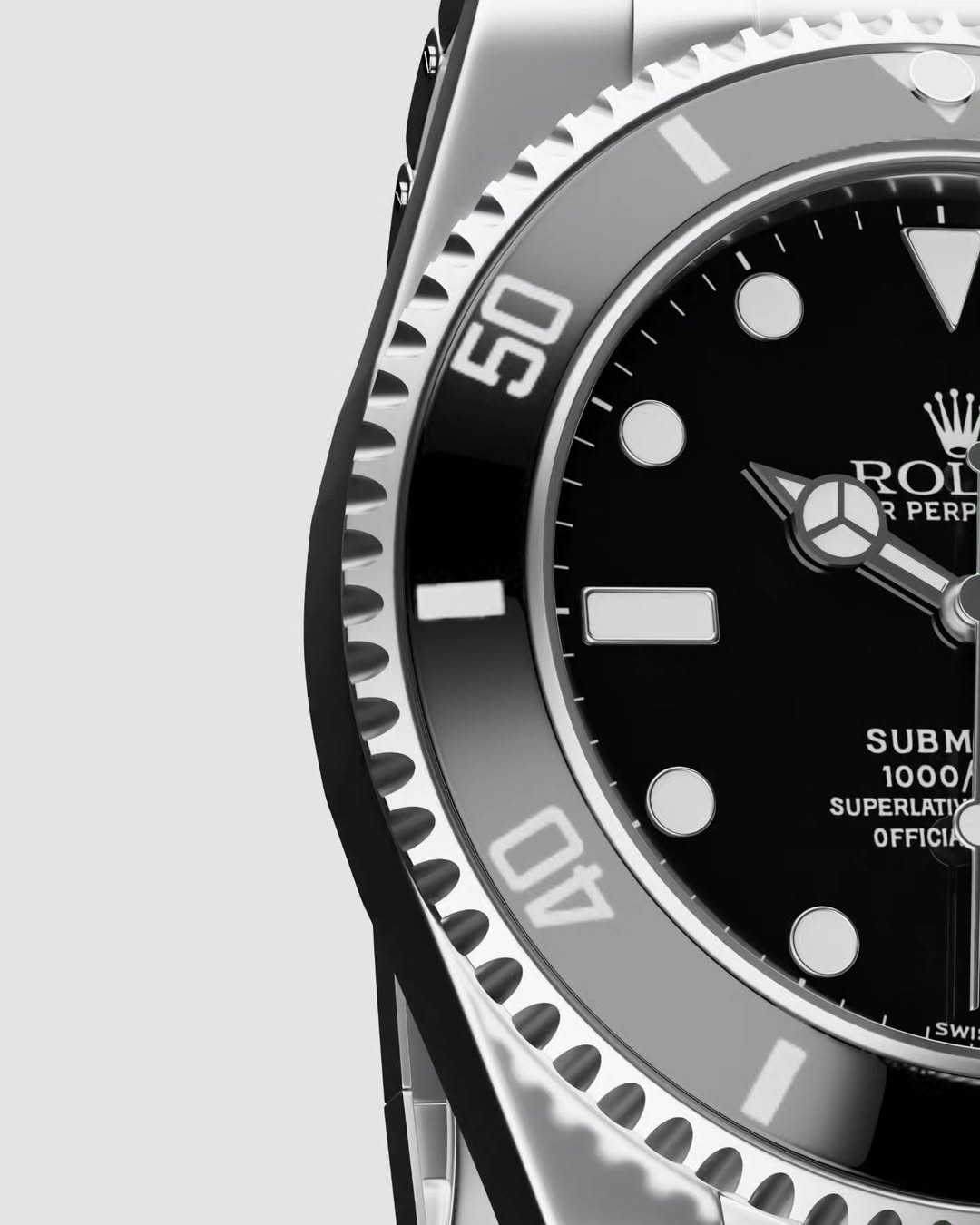
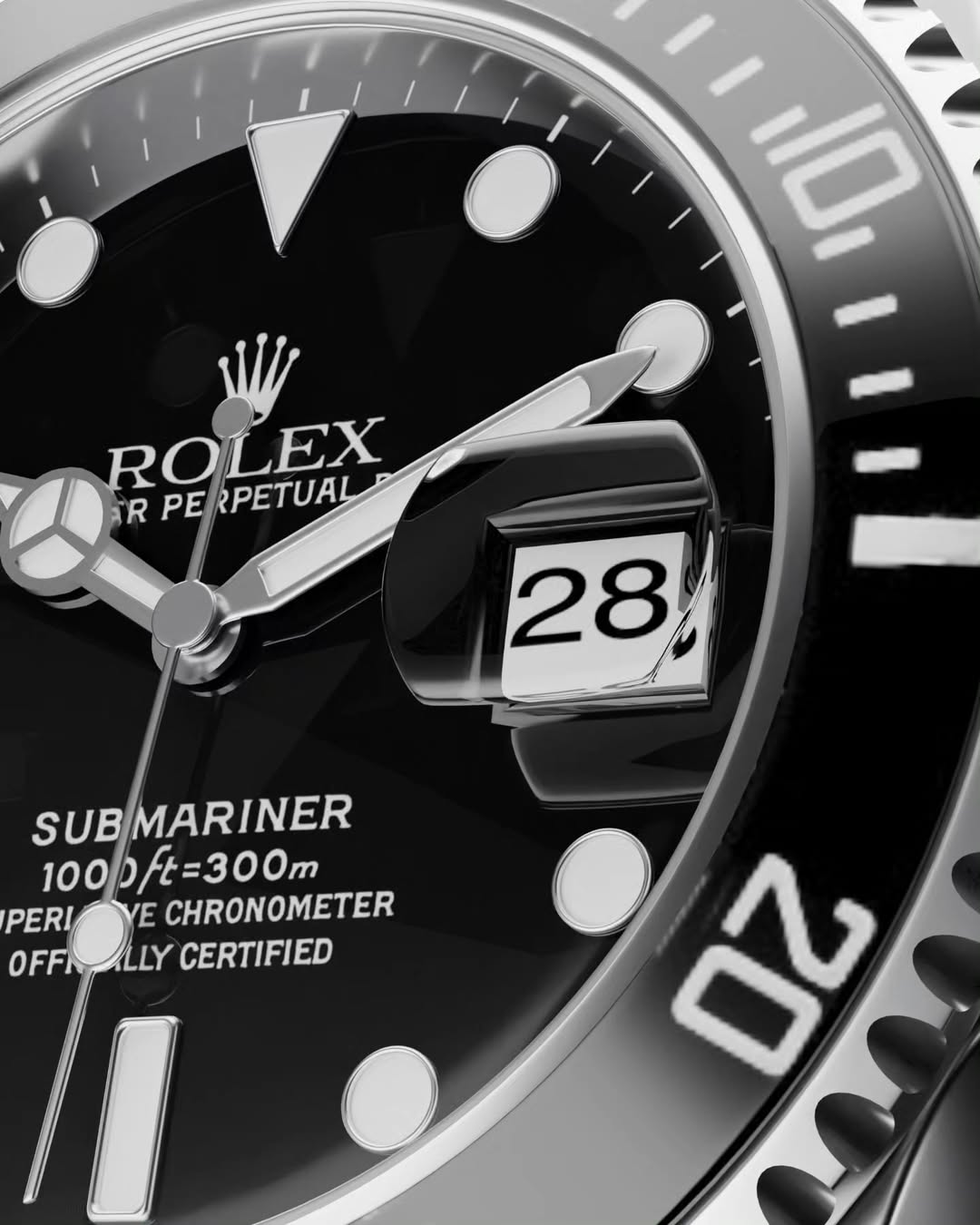
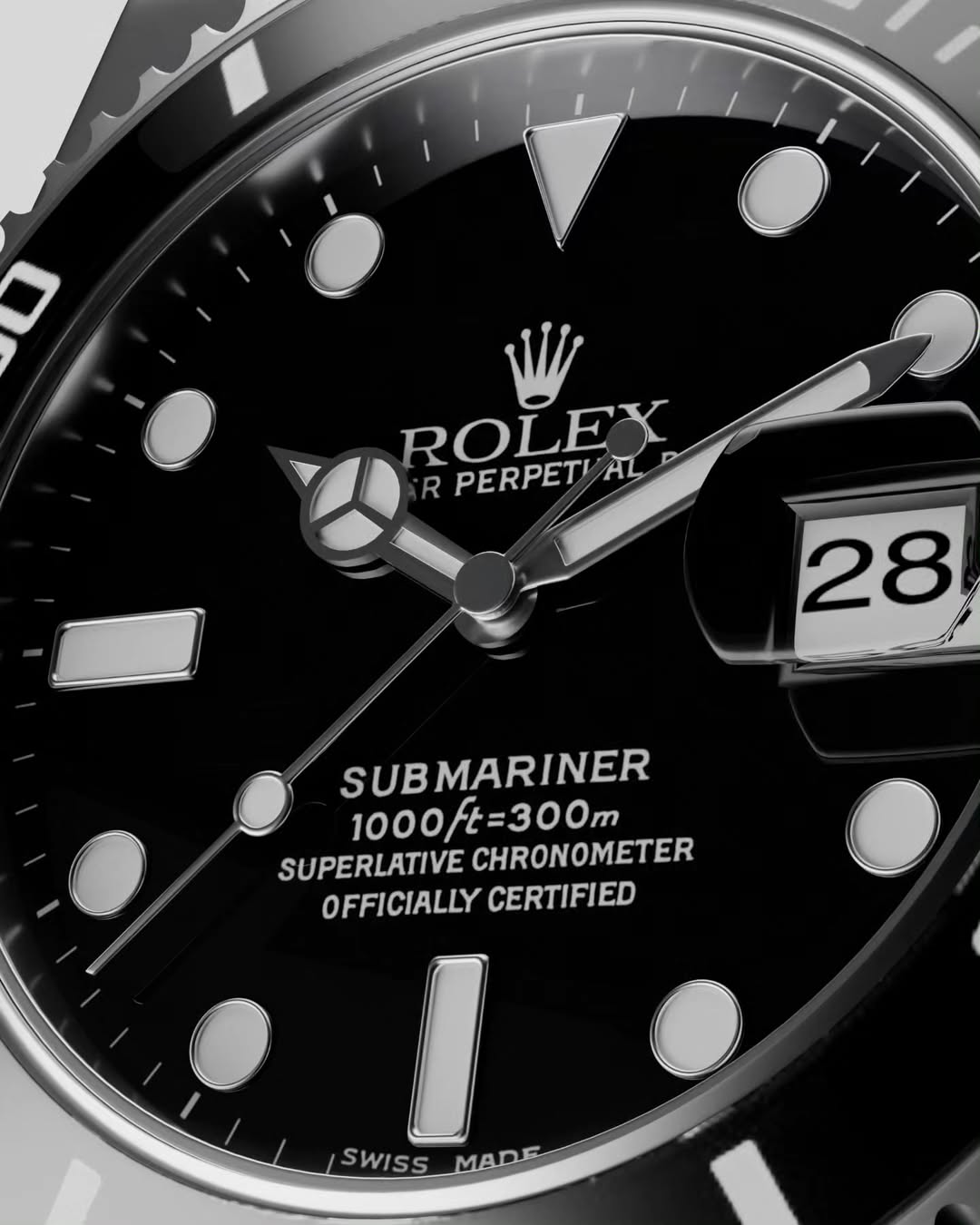
A luxury watch may need controlled reflections and extremely precise lighting.
A cosmetic bottle may need soft highlights and carefully designed liquid effects.
A technology product may need dramatic contrast and a minimal environment.
A furniture product may need an entire architectural setting.
The CGI is the production medium.
The art direction determines what the audience sees.
For an example of how controlled 3D visuals can elevate a product presentation, the Rolex 3D images project demonstrates how materials, reflections, lighting, and composition can work together around a premium product.
When Does Product CGI Become Product Animation?
A static CGI image answers one question:
What does the product look like?
Animation can answer several more.
How does it work?
How does it move?
What happens when it opens?
What is inside?
How does the user interact with it?
What makes the product different?
This is where CGI product animation enters the picture.
The digital model already exists. Animation adds time and movement to that asset.
A camera can move around the product.
The product can rotate toward a specific feature.
Components can separate.
Materials can transform.
The environment can change.
Light can travel across the surface.
Liquid, smoke, particles, or other simulations can be introduced.
The result is no longer simply a render.
It becomes a visual explanation or commercial experience.
VNS explores this transition in its guide to CGI product animation.
How Can 3D Product Animation Turn Features Into Stories?
A feature is often difficult to communicate with a static photograph.
Suppose a product has an innovative internal mechanism.
A normal image can show the outside.
A 3D product animation can show what happens inside.
The outer shell can disappear.
The components can separate.
The mechanism can move.
The camera can follow the process.
The animation can then return to the complete product.
This is particularly useful for electronics, appliances, automotive components, industrial products, medical devices, and technology.
The viewer does not need to read a paragraph explaining the feature.
They can see it.
That is the difference between simply presenting information and turning information into visual storytelling.
VNS has previously explored this approach through its 3D product animation work, where product visualization becomes a tool for communication rather than simply a way to create attractive imagery.
Can One Product CGI Asset Create an Entire Advertising Campaign?
This is arguably one of the biggest advantages of building a strong digital product asset.
A brand does not necessarily have to stop after creating one hero image or one commercial.
The product can continue to generate content.
For example, one digital skincare bottle could become:
Campaign Hero Image → Social Animation → Product Commercial → Website Visual → Feature Video → E-commerce Images → Seasonal Campaign
The product remains consistent throughout.
The lighting and environment can change.
The camera can change.
The animation can change.
But the underlying product remains accurate.
This can be particularly useful for brands with multiple campaigns throughout the year.
The initial investment in creating the digital asset can therefore support much more than one deliverable.
The Morzze Tap 3D Images project is a useful example of how detailed digital product visualization can create controlled, polished product imagery.
Why Does 3D Content Distribution Matter After the CGI Is Finished?
Creating great content is only half of the job.
The content also needs to work where customers actually see it.
A commercial designed for YouTube may not work unchanged on Instagram.
A website hero video may need a different crop from an e-commerce asset.
A social advertisement may need to communicate the product within a few seconds.
This is why 3D content distribution should be considered during production rather than after it.
The creative team can plan different versions from the beginning.
For example:
16:9 — Brand film or YouTube commercial
9:16 — Reels, Shorts, Stories
1:1 — Social advertising
Still frames — Website and campaign graphics
Short loops — Digital advertising and product pages
The 3D asset becomes flexible enough to support the campaign instead of being locked into one final video.
How Does Product CGI Work for Different Types of Products?
The creative approach changes significantly depending on the product category.
Beauty and Cosmetics
Beauty products often benefit from controlled reflections, liquids, textures, particles, and premium environments.
The Oud Beauty 3D Animation project demonstrates how animation can create a more atmospheric presentation around a beauty product.
Consumer Electronics
Electronics can benefit from exploded views, component reveals, precise lighting, and futuristic environments.
A digital asset can make complex technology easier to understand while maintaining a premium commercial appearance.
Furniture and Home Products
Furniture can be placed into digitally designed environments without requiring an entire physical set.
The product can also be shown from angles that would be difficult to achieve during a conventional shoot.
Luxury Products
Luxury products depend heavily on materials, reflections, precision, and controlled lighting.
This is where high-quality CGI can become particularly valuable because every visual element can be carefully directed.
Lifestyle Products
Lifestyle products can be placed into environments that communicate a specific mood or audience.
The environment does not simply decorate the product.
It helps tell the brand story.
What Makes a Good Product CGI Project Different From a Basic 3D Render?
Not every 3D image is automatically good product CGI.
A technically accurate model is only the beginning.
A successful commercial visual needs a reason for existing.
The composition should direct attention.
The lighting should reveal the product.
The materials should feel believable.
The camera should support the story.
The environment should make sense for the brand.
And the final image should communicate something quickly.
This is why creative direction matters just as much as technical 3D skills.
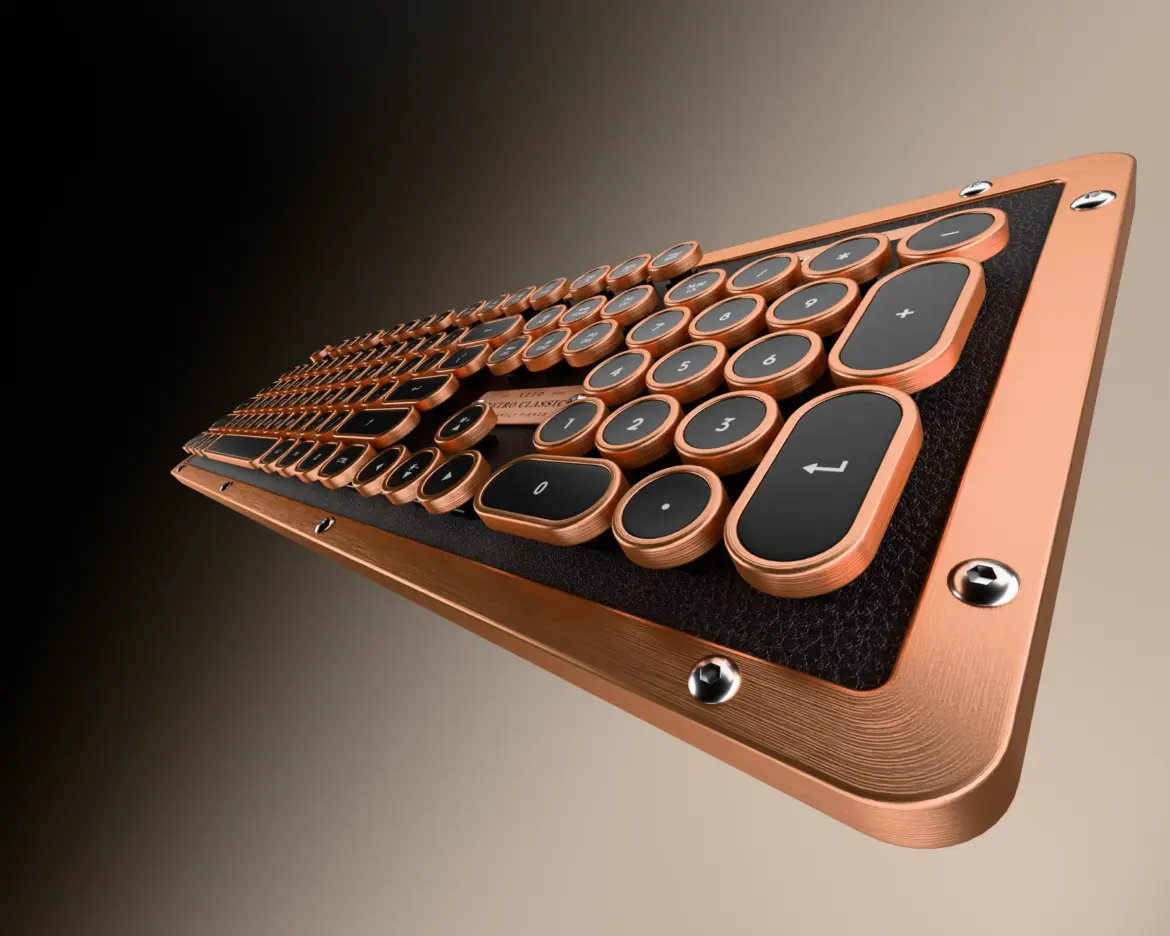
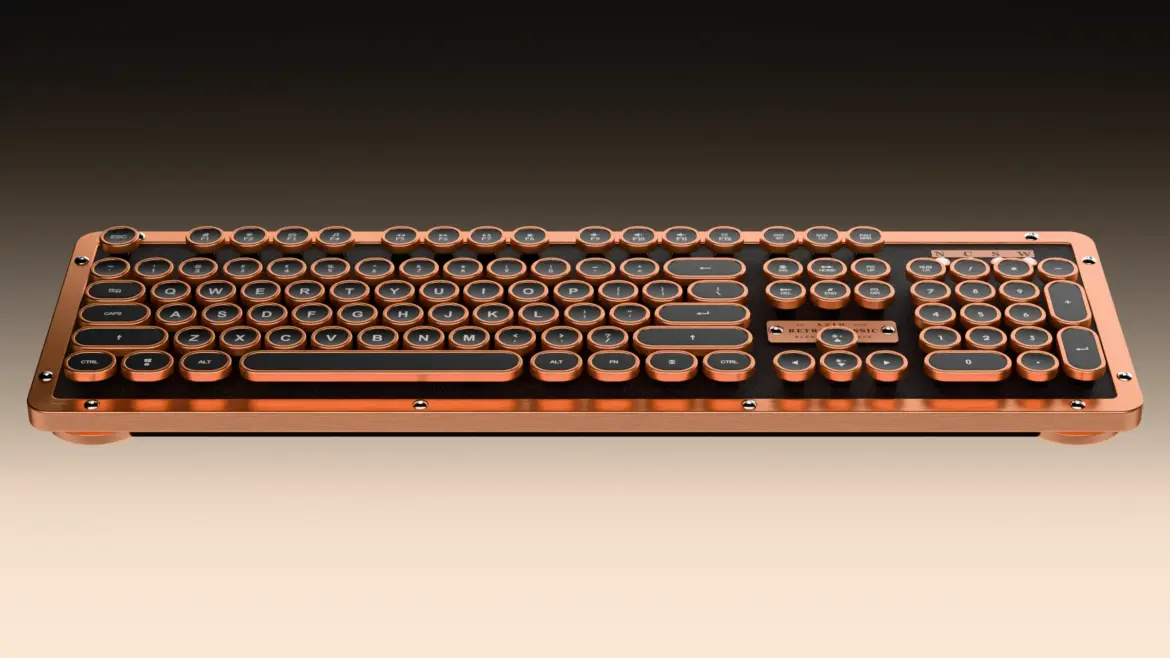
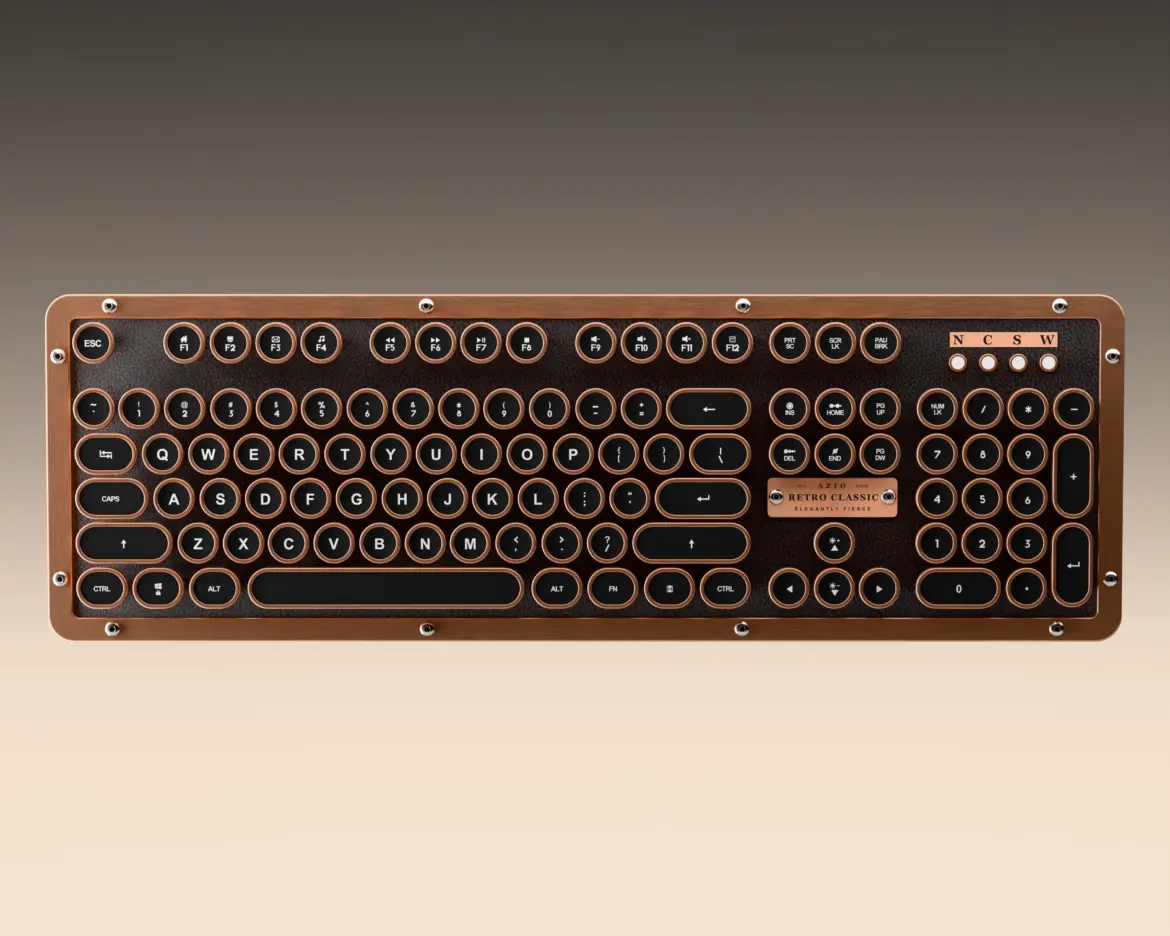
For example, the AZIO Retro Classic project shows how the visual treatment surrounding a product can contribute to its identity rather than simply functioning as a background.
The same principle applies to animation.
The environment should belong to the product.
How Is Product CGI Changing the Way Agencies Approach Commercial Production?
The biggest change may not be the technology.
It may be the workflow.
A traditional production often starts with a question like:
What do we need to shoot?
A CGI-led production can start with:
What do we need the product to do?
That opens a different creative conversation.
The team can begin with the campaign objective, then determine whether the product should be photographed, rendered, animated, composited, or produced through a combination of methods.
This is why modern creative agencies increasingly need to understand product visualization, product animation, advertising, content strategy, and digital distribution together.
VNS Creative Agency’s perspective on this broader role is explored in its article about being a creative agency in Mumbai.
The role is no longer simply about producing an image.
It is about helping a brand build a visual system around its product.
Could Product CGI Become a Long-Term Content Asset for Brands?
It can.
And that may be the most important shift.
A product model created today can potentially be used months or even years later.
A new colour can be introduced.
A new environment can be created.
A new campaign can be developed.
A new animation can be produced.
A seasonal visual can be created without rebuilding the product from scratch.
This makes product CGI particularly interesting for brands that continuously produce marketing content.
The digital product becomes something closer to a reusable creative asset than a one-time production output.
Instead of asking:
“How much does one product image cost?”
Brands can begin asking:
“How much content can we create from one accurate digital product?”
That is a much more interesting question.
What Is the Future of Product Advertising With CGI?
The future of product advertising will probably not be purely photography, purely CGI, or purely AI.
Different tools will solve different creative problems.
But product CGI is becoming increasingly important because it connects many of those possibilities.
A digital product can generate still imagery.
It can become product animation.
It can become a 3D product animation.
It can become a commercial.
It can become social content.
It can support 3D content distribution across multiple platforms.
And it can remain available for future campaigns.
That makes CGI less like a single production technique and more like a foundation for modern product content.
The most interesting question is no longer whether a product should be photographed or rendered.
It is:
What could your product become if the camera was no longer the limit?
How Can VNS Creative Agency Build Your Product CGI Campaign?
At VNS Creative Agency, we approach product CGI as both a creative and commercial tool.
The process can begin with an accurate digital recreation of the product and develop into product renders, lifestyle visuals, CGI product animation, commercial films, social media content, and campaign assets.
Our 3D product rendering work explores how detailed digital assets can create highly controlled product visuals.
For animation-led campaigns, projects such as the SheaBouba 3D Animation show how a product can become part of a larger visual narrative.
The objective is not to make CGI for the sake of CGI.
It is to make the product look desirable, communicate its value, and give the brand more ways to use the content.
Because the future of product advertising is not simply about creating better product images.
It is about building products that can live, move, transform, and sell inside a digital world.