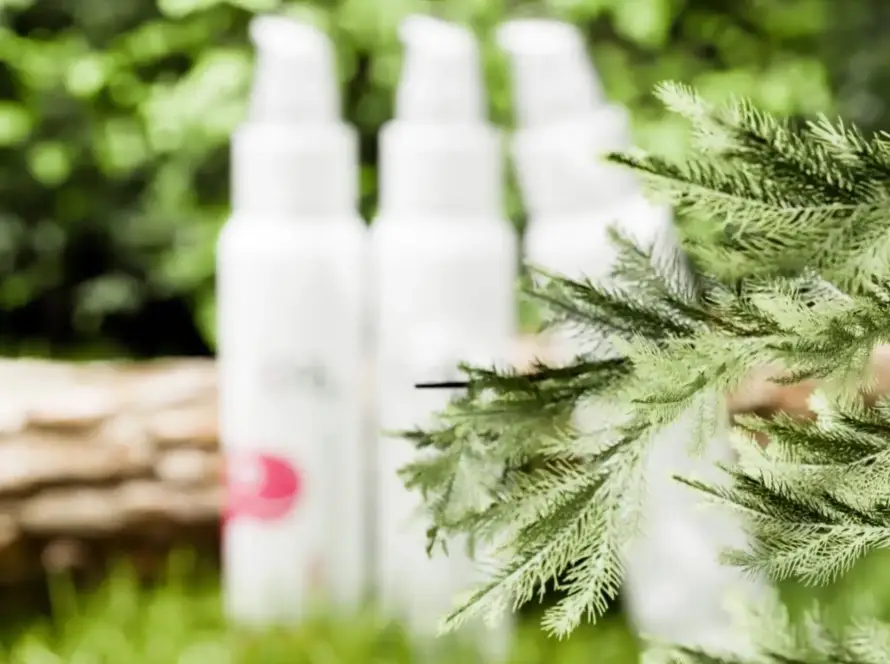
When customers shop for skincare, hair care, and cosmetics online, they cannot pick up the product, inspect the packaging, feel its texture, or see how it behaves under real lighting.
They rely heavily on what they can see.


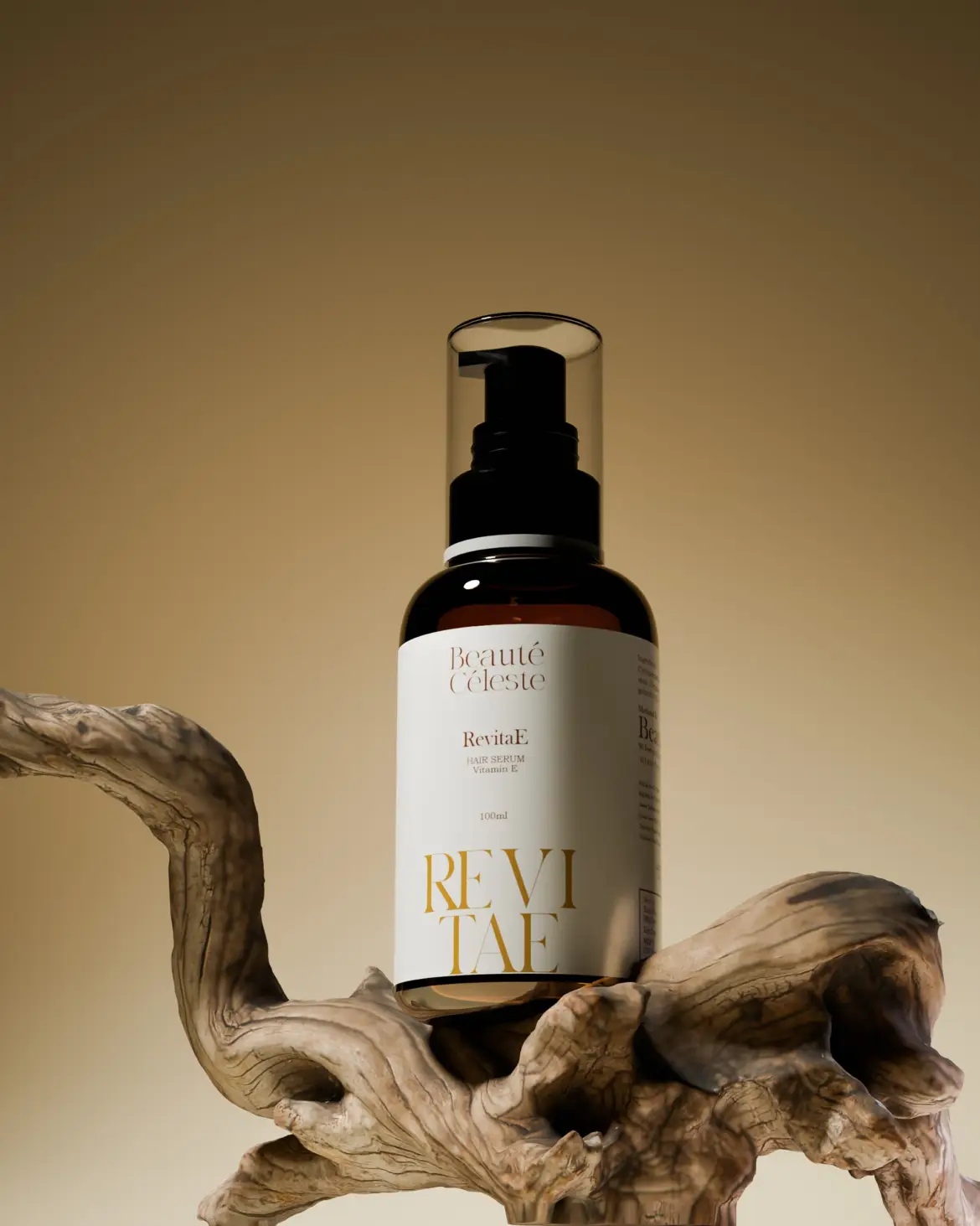
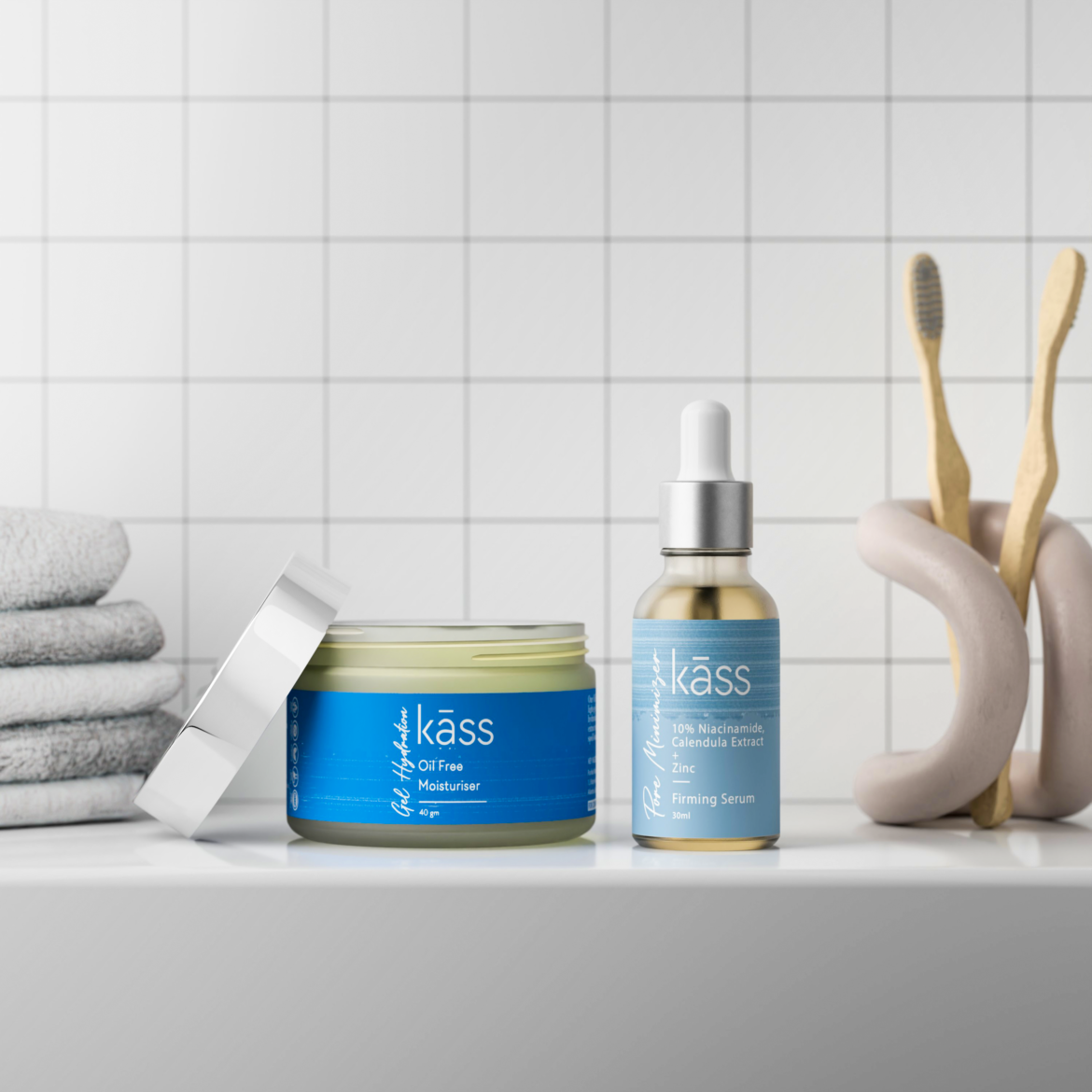
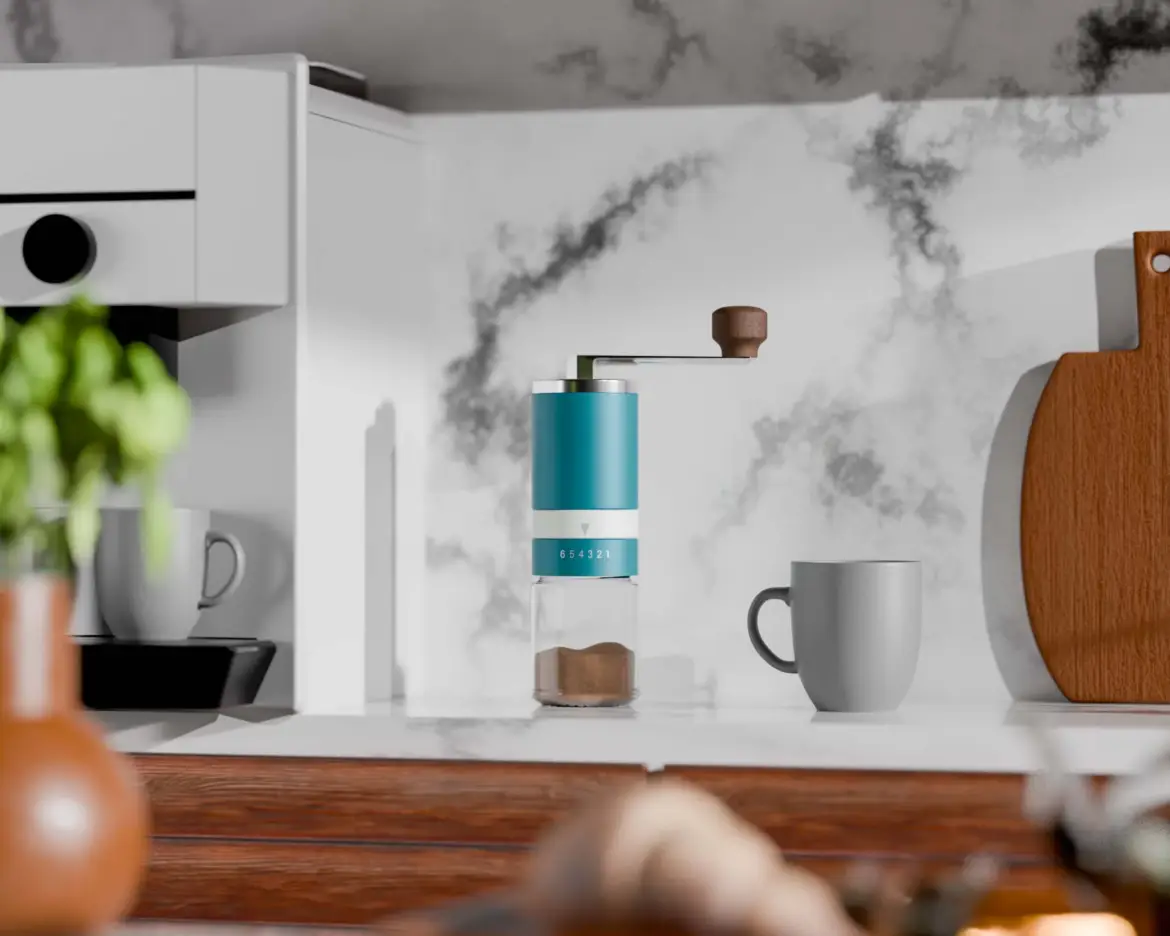
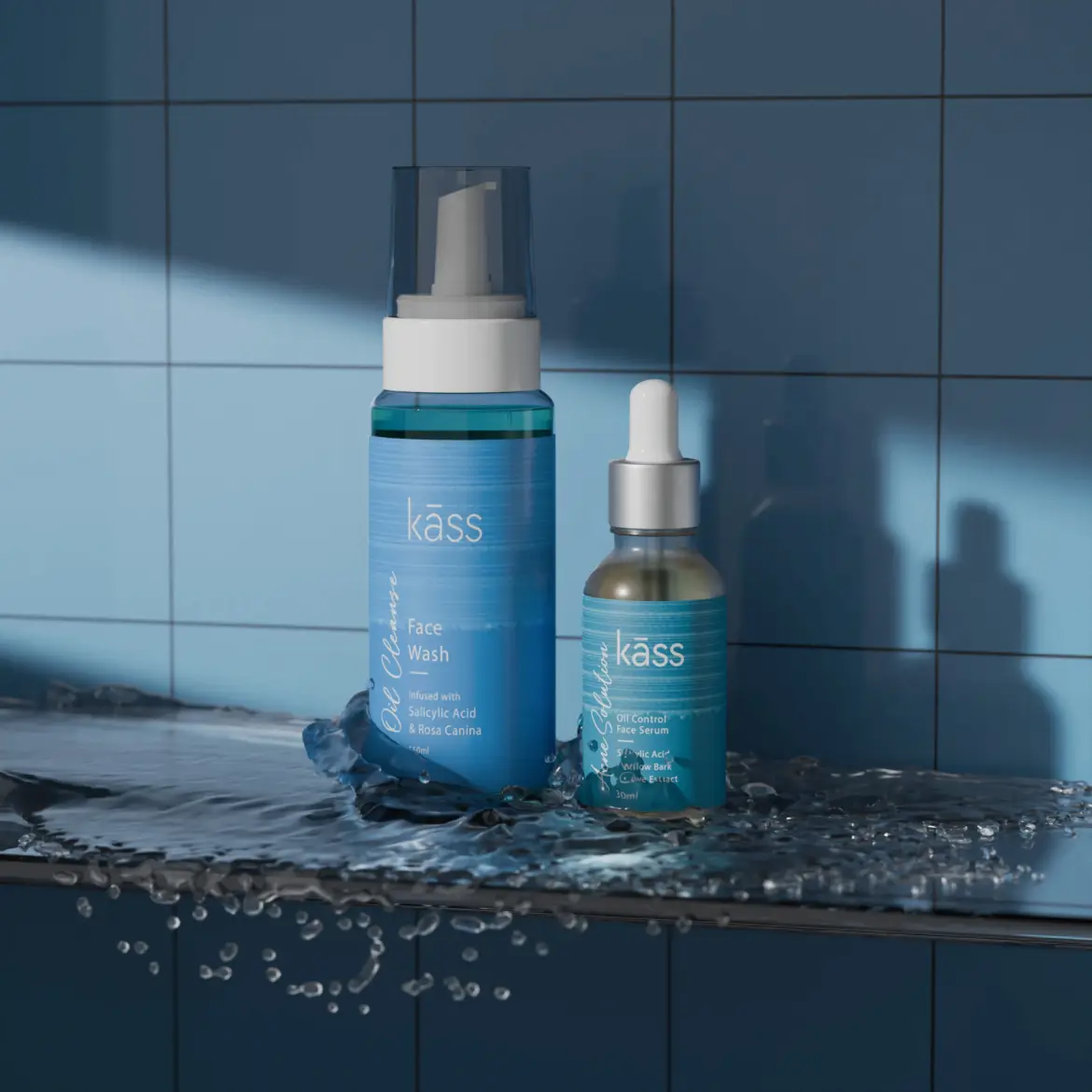
That makes cosmetic photography more important than simply taking an attractive picture of a bottle or jar. A beauty brand may need clean ecommerce images, skin care product images, hair care product images, cosmetic lifestyle images, product CGI, and 3D animations—all while keeping the product visually accurate and consistent.
The interesting question is whether brands should still think about cosmetic photography as one photoshoot. At VNS Creatives, we increasingly approach product visuals as a connected content system: one product can potentially be developed into multiple images, environments, campaigns, and animations rather than being photographed once and forgotten.
Why Is Cosmetic Photography So Important for Skincare and Beauty Brands?
Cosmetics are highly visual products. Before a customer reads about ingredients or benefits, the product presentation begins shaping their perception of quality, price, and credibility.
A relevant discussion in the skincare community asked directly whether product pictures and videos influence the decision to buy a skincare product—a useful reminder that brands themselves are actively questioning how much their visual content contributes to customer confidence.
Good cosmetic photography therefore has two jobs.
First, it needs to make the product desirable.
Second, it needs to help the customer understand what they are looking at.
A premium serum might need to communicate hydration and refinement. A hair oil might need to feel natural, luxurious, or ingredient-led. A makeup product may need accurate colour representation rather than an image that looks beautiful but misrepresents the actual product.
This balance between creativity and product clarity is one reason VNS Creatives combines visual direction with product-focused production rather than treating every image as decoration. The same approach can be seen in projects such as the Oud Beauty portfolio, where the product itself remains central to the visual experience.
Do Product Pictures and Videos Actually Influence Whether Someone Buys a Skincare Product?
They can—but different visuals answer different customer questions.
A clean product image tells someone what they are buying. A detailed close-up can help them inspect packaging. A lifestyle image creates aspiration and context. A product video can show movement, texture, scale, or use.
Recent community discussions around skincare advertising have also highlighted an important distinction: video can attract more attention, but static visuals and video may serve different roles depending on whether the campaign is trying to build awareness or encourage a direct purchase.
That means beauty brands should not ask whether a photograph is better than a video.
A better question is:
What does the customer still need to understand before buying?
For an ecommerce product page, clear skin care product images may matter most. For a campaign launch, a cinematic 3D animation may create more impact. For social advertising, the answer may be a combination of both.
This is why VNS Creatives approaches 3D product animation as part of a larger product-content strategy rather than as an isolated technical service.
How Can Skin Care Product Images Show More Than Just the Packaging?
A skincare product on a plain white background may be necessary for ecommerce, but it rarely communicates the complete personality of the product.
Does the serum feel lightweight and hydrating?
Does the moisturiser feel rich and luxurious?
Is the product positioned as clinical, natural, scientific, or premium?
Strong skin care product images can communicate these qualities through lighting, materials, composition, liquid elements, ingredients, and environment.
However, the visual elements should have a purpose.
Water may support a hydration story. Botanical forms may connect the product to natural ingredients. Glass and controlled reflections can create a clinical or premium appearance. Soft textures may reinforce the experience of a cream or moisturiser.
At VNS Creatives, creating this kind of controlled visual direction often starts with the product itself. A detailed 3D product rendering can provide the flexibility to explore different lighting and compositions without changing the physical product every time.
The goal is not simply to surround a bottle with attractive objects.
The goal is to make every visual decision support the product.
What Makes Hair Care Product Images Different From Skin Care Product Images?
Hair care products often present their own visual challenges.
Shampoo bottles, conditioners, oils, serums, sprays, and styling products may have reflective packaging, unusual silhouettes, transparent materials, metallic caps, or labels that need to remain clearly visible.
At the same time, hair care product images often need to work across several formats:
- Ecommerce listings
- Social media campaigns
- Product launch creatives
- Lifestyle advertising
- Product videos
The challenge is maintaining consistency.
A product should look like the same product whether it appears on an ecommerce page, inside a campaign image, or at the centre of an animated commercial.
This is one reason a reusable digital asset can be valuable. Instead of recreating the product for every new piece of content, VNS Creatives can develop a product visualization that supports different visual directions.
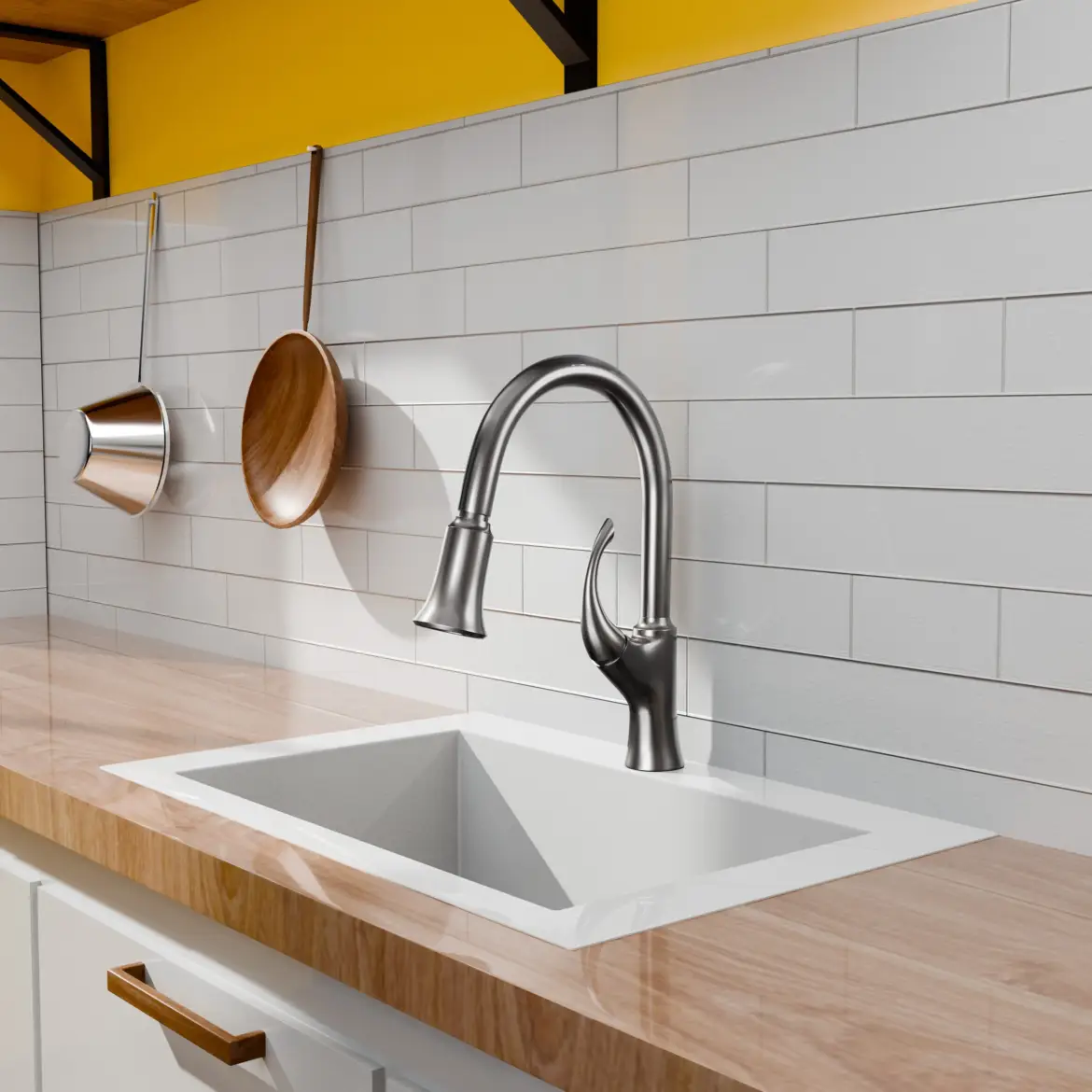
The same principle of controlled realism can be seen outside the beauty category in projects such as the Morzze Tap 3D Images portfolio, where material, lighting, and product presentation need to remain convincing across carefully constructed imagery.
What Makes a Good Lifestyle Image of Skin and Hair Care Products?
A lifestyle image of skin and hair care products should answer one important creative question:
What kind of world does this product belong in?
A luxury serum may belong in a cinematic environment involving glass, liquid, and dramatic reflections.
A botanical hair oil may work better within a warmer environment inspired by natural ingredients.
A clinical skincare product may require a minimal, clean, highly controlled visual language.
This is what separates a genuine lifestyle image from a random product shot with props added around it.
Before creating cosmetic lifestyle images, it helps to understand:
- Who is the customer?
- What should the product feel like?
- What is the brand personality?
- What visual elements support the product story?
- Where will the image be used?
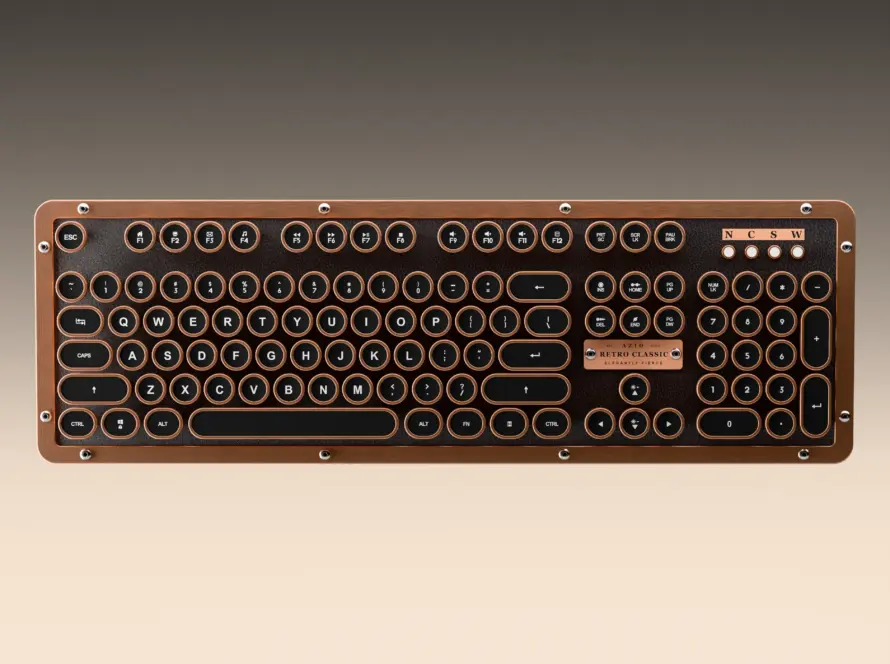
VNS Creatives uses this type of thinking when developing lifestyle-focused product visuals. The AZIO Retro Classic portfolio is a useful example of how the environment can become part of the product story rather than functioning as a generic background.
The product remains the hero, while the environment gives the viewer a reason to imagine it in a larger world.
Why Do Some Cosmetic Lifestyle Images Look Premium While Others Look Like Random Product Shots?
The difference is usually art direction.
A premium image feels intentional because the lighting, composition, colour, materials, and surrounding environment all work together.
A weaker image may still contain beautiful props, expensive-looking lighting, or elaborate effects—but if those elements compete with the product, the composition loses its purpose.
This is particularly important in cosmetic lifestyle images, where the temptation is often to make the environment more visually interesting than the product itself.
A stronger hierarchy is usually:
- The product captures attention.
- The environment supports the product story.
- Secondary details create atmosphere.
- Nothing hides important packaging information.
This principle applies to photography and CGI alike.
For brands producing content across marketplaces, visual clarity is equally important. Our guides to Amazon product listing images and Walmart product listing requirements explore how product imagery needs to perform differently when the customer is actively comparing products online.
Can Product CGI Create Cosmetic Product Visuals That Look Like Real Photography?
Yes—but realism should not be the only objective.
The more important question is whether the cosmetic product visuals accurately represent the product while achieving the creative direction the campaign requires.
Product CGI provides control over:
- Camera angles
- Lighting
- Reflections
- Backgrounds
- Materials
- Packaging variations
- Environments
This can be particularly useful for cosmetics because a glossy bottle, frosted jar, metallic cap, transparent liquid, and printed label all react differently to light.
With a detailed digital product, those characteristics can be controlled and refined scene by scene.
VNS Creatives specialises in building product visuals that combine technical accuracy with creative presentation. The broader capabilities of the studio—from 3D images to commercial animation—are also explained on the VNS Creatives website.
The objective is not to make CGI look artificially perfect.
It is to create a believable product image while retaining creative control.
Can Cosmetic Photography and Product CGI Work Together?
Yes. In fact, treating them as competing methods can limit a campaign.
Traditional cosmetic photography can be particularly valuable when real human interaction, physical environments, or authentic textures are essential.
Product CGI can be useful when the campaign requires:
- Multiple product variations
- Controlled reflections
- Digital environments
- Difficult camera angles
- Reusable assets
- Animation-ready visuals
A combined production can use photography where reality adds value and CGI where digital control solves a problem.
For example, a brand might photograph a model using the product while using CGI to create campaign visuals that would be difficult to build physically.
This kind of production flexibility is becoming increasingly relevant as visual technology changes. Our article on CGI in 2026 explores how CGI is continuing to reshape the way brands approach commercial visual content.
Can the Same Product Be Used for Cosmetic Images and 3D Product Animation?
This is one of the strongest arguments for creating a detailed digital product asset.
A well-built product model does not have to exist for one image.
It can potentially become the foundation for:
- Cosmetic product visuals
- Skin care product images
- Hair care product images
- Cosmetic lifestyle images
- Ecommerce content
- Social media creatives
- Product CGI
- 3D animations
- Product launch videos
This approach is particularly useful for brands thinking about 3D product content creation for ecommerce as an ongoing requirement rather than a one-time photoshoot.
For VNS Creatives, the SheaBouba 3D Animation portfolio demonstrates how a product can move beyond a static presentation and become the centre of a designed animated experience.
Once the product exists as a usable digital asset, the creative possibilities expand.
When Does 3D Product Animation Make More Sense Than a Traditional Product Video?
Traditional video is valuable when a product needs to be shown in the real world.
However, 3D product animation becomes particularly useful when the campaign requires something that would be difficult, expensive, or impossible to achieve physically.
A product can float.
The camera can move through impossible spaces.
Liquids can interact with packaging in precisely controlled ways.
Lighting can be changed independently for every shot.
The product can transition between entirely different environments.
This does not mean every beauty product needs a complex animation.
The movement still needs a reason to exist.
A good product animation uses motion to reveal something: the product shape, a material detail, a feature, a benefit, or the personality of the brand.
That is the difference between technical animation and commercial storytelling.
For brands exploring different production approaches, our article on Blender 3D animation provides additional context on how 3D animation workflows can be used to build product-focused content.
What Should Brands Look for in 3D Product Video Animation Services?
Not every 3D product video animation service provides the same level of creative involvement.
A simple animation might require accurate modelling, lighting, and basic movement.
A commercial campaign could involve:
- Creative direction
- Storyboarding
- 3D product modelling
- Material development
- Environment design
- Camera animation
- Product animation
- Fluid or particle effects
- Rendering
- Compositing
- Editing
Before starting production, the brand should define what the animation is supposed to achieve.
Is it explaining a product?
Launching it?
Creating a social media advertisement?
Building a premium brand image?
Showing a technical feature?
The answer should influence the creative process from the beginning.
VNS Creatives positions its animation work around commercial storytelling as well as technical execution. For a broader look at choosing an experienced production partner, see our guide to selecting a 3D animation company.
How Can One Product CGI Asset Create More Content for Ecommerce?
Ecommerce content rarely stops at one product photograph.
A brand may need:
- Hero images
- Alternate angles
- Detail images
- Lifestyle visuals
- Advertising creatives
- Marketplace content
- Product videos
Creating these assets separately can make visual consistency difficult.
A reusable Product CGI asset can provide one common foundation for multiple types of content.
The same digital product can be presented from different angles, placed in different environments, lit differently, or incorporated into animation while preserving the underlying product details.
This is why 3D product content creation for ecommerce can become more valuable as a brand expands.
For businesses selling across Indian marketplaces, our guide to Flipkart product listing images and our article on ecommerce photography in India offer additional context on why product imagery needs to work for both brand presentation and marketplace requirements.
How Much Does Cosmetic Photography Cost Compared With Product CGI?
There is no single honest price for either service.
The cost of cosmetic photography can depend on:
- Number of products
- Number of final images
- Studio requirements
- Photographer
- Models
- Props
- Set design
- Locations
- Retouching
- Campaign complexity
Product CGI has different cost considerations:
- Product modelling complexity
- Required accuracy
- Material development
- Environment complexity
- Number of final images
- Animation
- Simulation work
- Rendering
- Post-production
The more useful comparison is often long-term value.
A traditional shoot may be the most efficient solution for a specific campaign with a fixed number of photographs.
A detailed digital product asset may require additional development initially but could potentially be reused for new campaigns, ecommerce content, lifestyle images, product CGI, and animation.
This is why the question should not always be:
Which one is cheaper?
It can be:
How much content will this product need to create over its lifetime?
What Should a Beauty Brand Choose: Cosmetic Photography, Product CGI, or 3D Product Animation?
There is no universal winner.
Choose cosmetic photography when real-world authenticity, people, or physical environments are essential.
Consider Product CGI when the brand needs greater control over product presentation, multiple variations, digital environments, or reusable visual assets.
Consider CGI product animation or 3D product animation when movement can improve storytelling and make the product more engaging.
In many campaigns, the best answer may be a combination.
A physical shoot can capture human interaction.
Product CGI can create highly controlled product visuals.
Animation can create motion-led advertising.
VNS Creatives works across these connected areas because modern brands rarely need only one type of visual content. Even outside cosmetics, projects such as the Neeman Shoe portfolio demonstrate how product-focused creative direction can extend across different categories and visual formats.
The technology should follow the creative objective—not the other way around.
How Can VNS Creatives Help Brands Create Cosmetic Product Visuals and 3D Animation?
At VNS Creatives, we approach cosmetic photography and digital product visualization as part of a larger visual system.
A beauty product can potentially become:
- Skin care product images
- Hair care product images
- Cosmetic lifestyle images
- Product CGI
- Ecommerce visuals
- Product animation
- 3D animations
- 3D product video animation services
The work combines product understanding, creative direction, 3D modelling, materials, lighting, rendering, and animation.
For brands that need a broader creative partner rather than only a technical production service, VNS Creatives also works across commercial visual production and brand-focused content, as discussed in our article on working with a creative agency in Mumbai.
The starting point, however, remains simple:
What should the customer feel, understand, and remember when they see the product?
The answer should guide the photography, CGI, lifestyle visuals, and animation.
Is Cosmetic Photography Still Just About Taking Product Pictures?
Not anymore.
Modern cosmetic photography exists inside a much larger content ecosystem.
A beauty brand may need product images for ecommerce, lifestyle visuals for advertising, accurate packaging details for customer confidence, and animation for launches and campaigns.
The strongest visual strategy does not necessarily choose one method and reject everything else.
It uses each approach where it is most effective.
A product can be photographed.
It can become a detailed CGI asset.
It can appear inside a cosmetic lifestyle image.
It can be adapted for ecommerce.
And it can eventually become the centre of a cinematic 3D product animation.
That is why the more useful question for a modern beauty brand may no longer be:
How should we photograph this product?
Instead, it may be:
How many useful visual experiences can this product become?
For VNS Creatives, that question sits at the centre of how we approach product visualization, cosmetic product visuals, Product CGI, ecommerce content, and 3D product animation.
Are You Looking for an Affordable and Premium Creative Agency in Mumbai?
At VNS Creative Agency, led by Vinod Nadar, we help startups and product-based businesses create affordable, premium-quality product visuals and commercial content.
Whether you need product photography, 3D product rendering, CGI advertising, a product explainer, commercial video or a complete launch visual strategy, we can help develop the project from creative direction to final delivery.
You can explore VNS Creative Agency’s portfolio to see our latest work, or browse more industry insights through the VNS Creative Agency blog.
Ready to discuss your product?
VNS Creative Agency
Led by Vinod Nadar
Phone: +91 8850960746
Email: manager@vnscreatives.com
Your startup may have a great product.
The right creative agency can help make sure people notice it.