A product can be beautifully designed and still fail to make an impact if the way it is presented feels ordinary.
That is where CGI product animation changes the creative process.
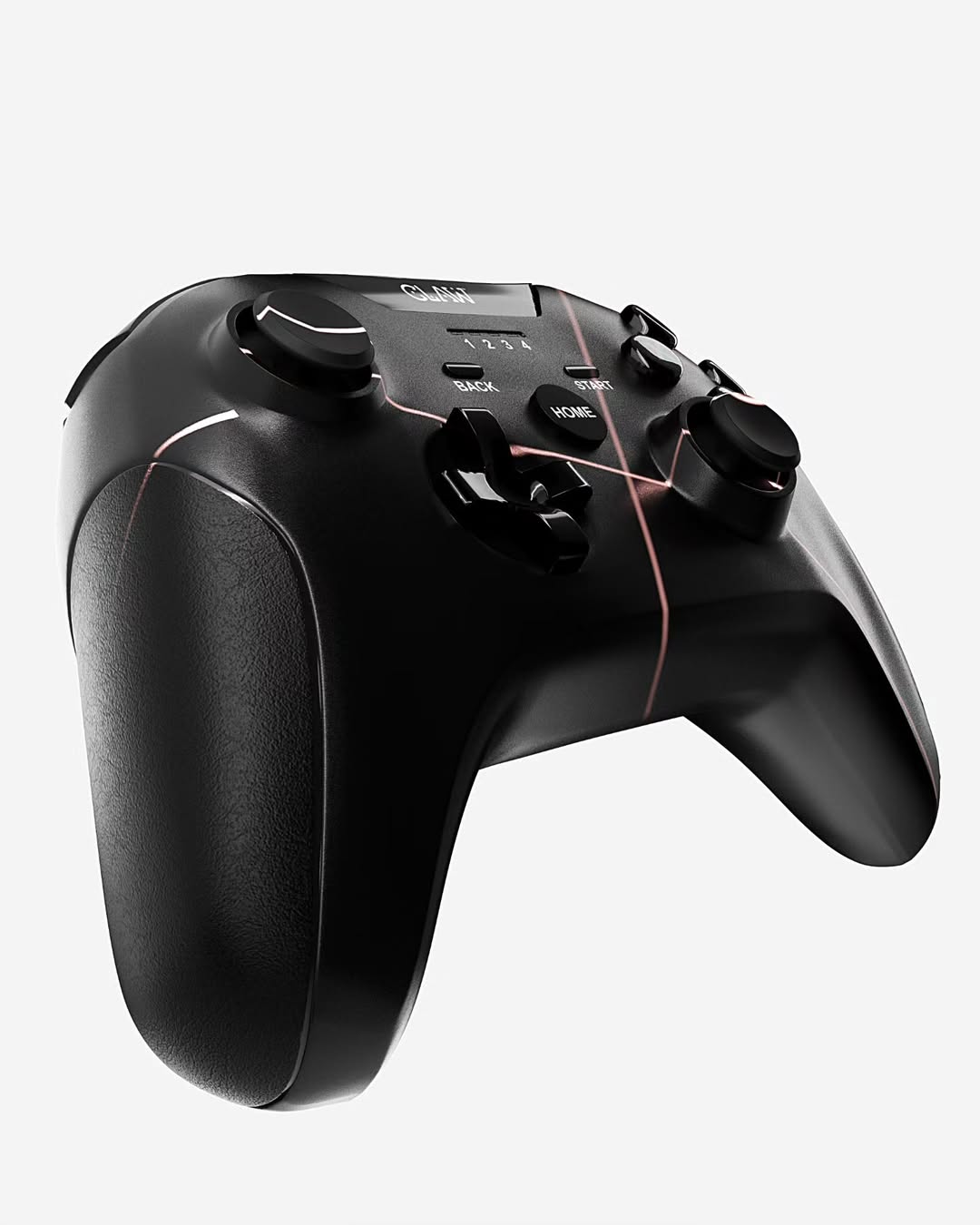
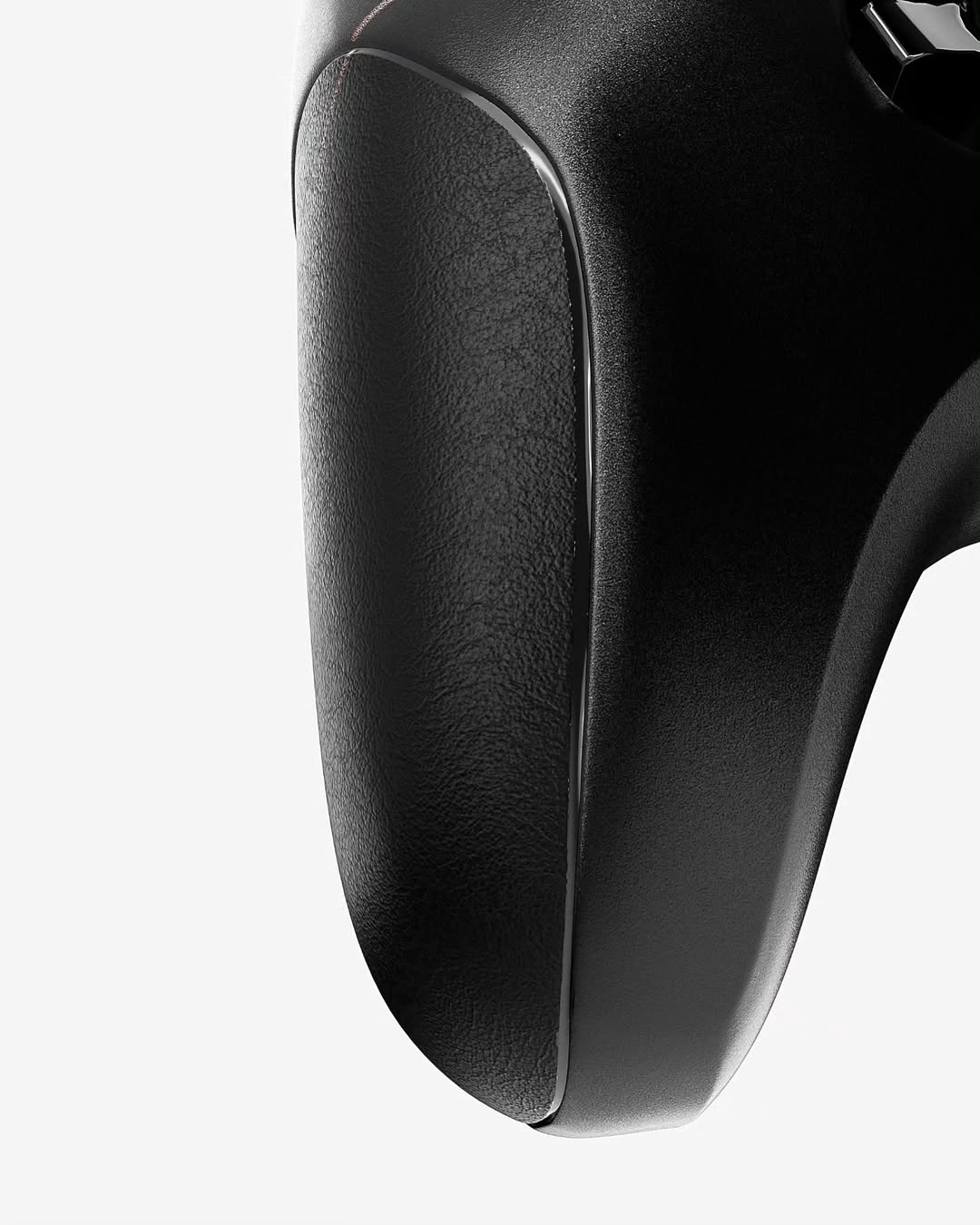
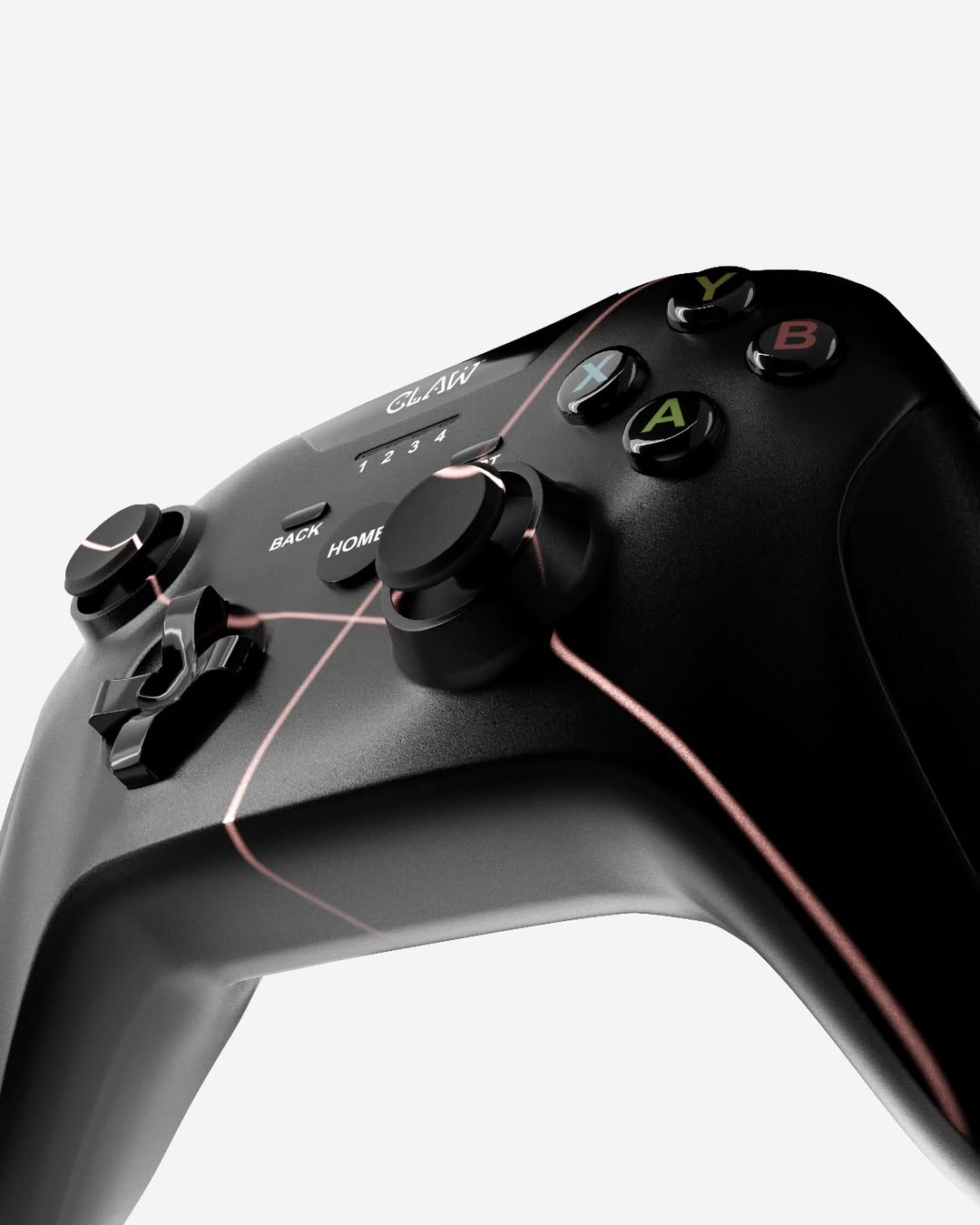
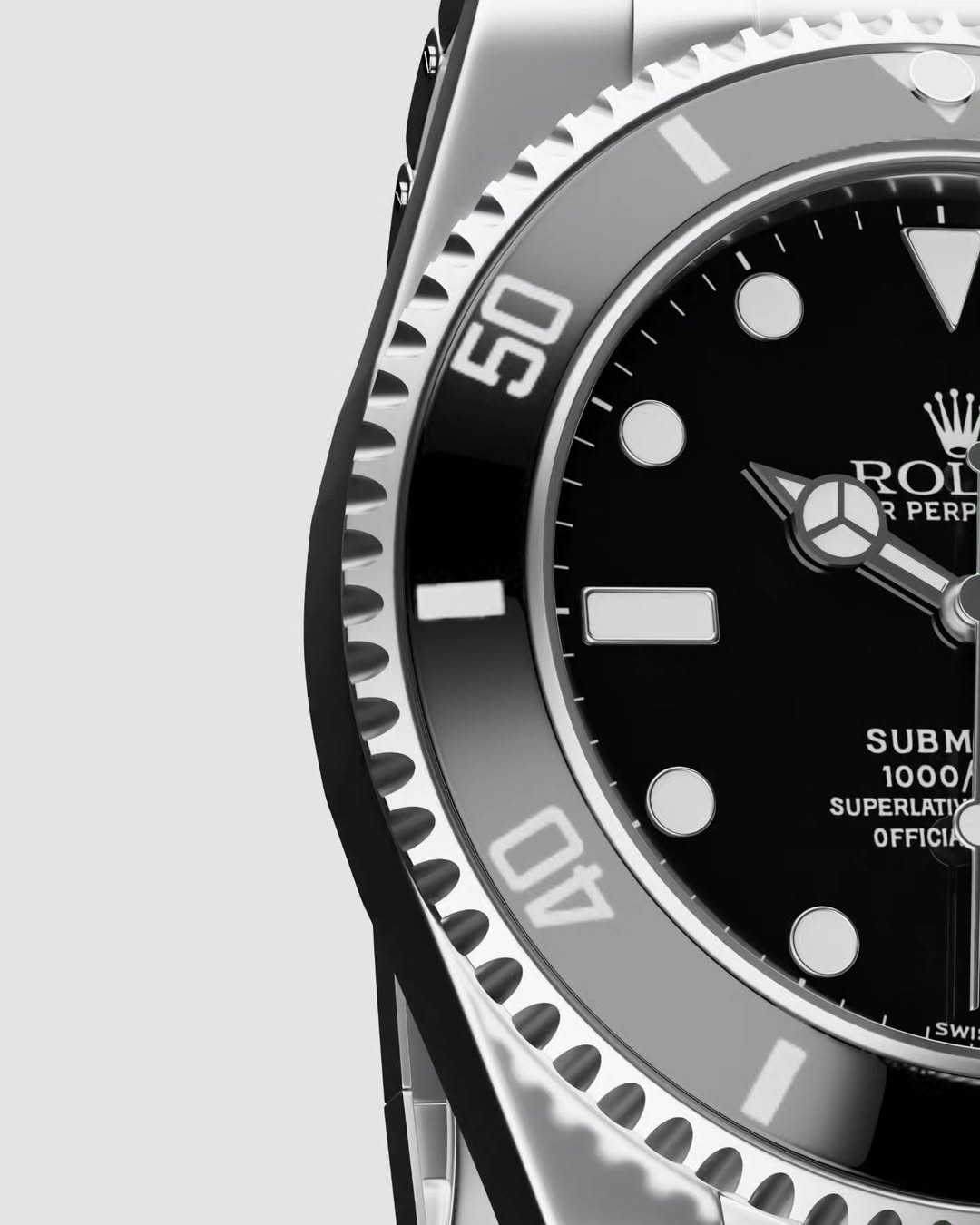
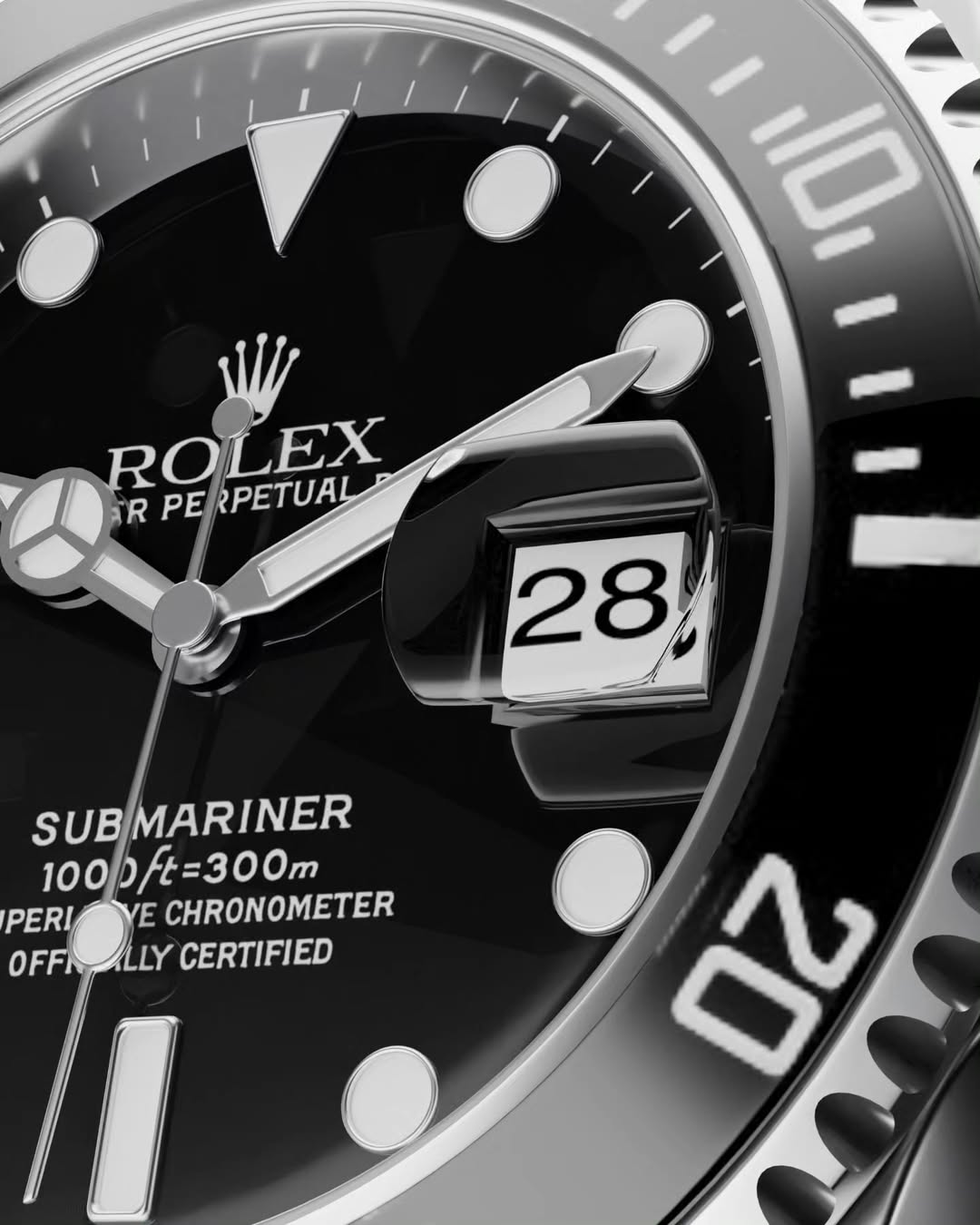
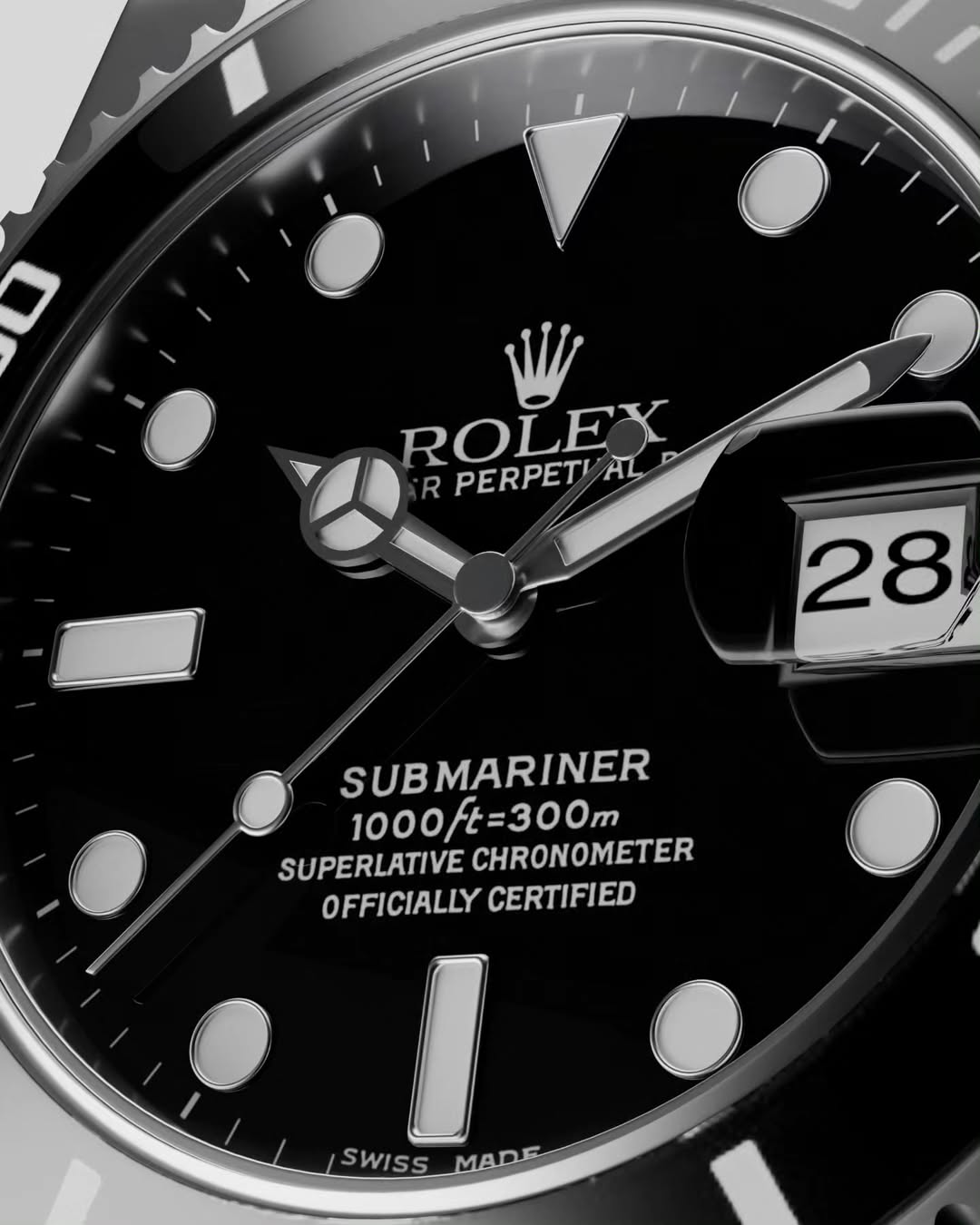


Instead of asking how to photograph or film a product, brands can begin with a different question: What visual experience should this product create?
A skincare bottle can move through liquid. A hair care product can transition from a clean studio composition into a lifestyle environment. A product can rotate, open, transform, float, reveal its details, or move through an entirely digital world.
This is the advantage of CGI product animation. It combines product visualization, animation, lighting, materials, camera movement, and visual storytelling into one production process.
At VNS Creatives, this approach allows a single product to develop into far more than one commercial video. The same digital asset can support cosmetic photography, skin care product images, hair care product images, cosmetic lifestyle images, ecommerce content, product CGI, and future campaigns.
What Can CGI Product Animation Show That a Static Product Image Cannot?
A static image captures one moment.
CGI product animation controls what happens before and after that moment.
The camera can gradually reveal the product. Light can move across the packaging. A liquid element can interact with the product. The environment can change as the product moves through the frame.
Movement gives brands another storytelling tool: timing.
The viewer does not have to discover everything at once. A product can be introduced gradually, followed by a close-up of its materials, packaging, or important features.
This is why 3D product animation is particularly useful when a brand wants to control attention rather than simply display an object.
For example, in the SheaBouba 3D animation project, VNS Creatives explored how animation can turn a product into the centre of a complete visual experience rather than presenting it as a simple rotating object.
The principle is simple: movement should reveal something meaningful about the product.
How Does a Real Product Become a CGI Product Animation?
Before anything moves, the product needs to exist digitally.
The process usually begins with 3D product creation, where the physical object is recreated with attention to its proportions, packaging, labels, materials, and smaller details.
This digital version then becomes the foundation for the animation.
The product can be placed under different lighting conditions, viewed from different camera angles, and positioned inside completely different environments.
Our guide to 3D product rendering explains why the quality of the underlying digital product matters so much. If the geometry or materials are inaccurate, those problems become even more noticeable when the camera moves close to the object.
For CGI product animation, the model is not merely built to look correct from one angle.
It needs to survive movement.
That means considering:
- Close-up shots
- Product rotations
- Camera movement
- Reflections
- Material changes
- Different lighting conditions
The digital product becomes the stage on which the entire animation is built.
Why Does CGI Product Animation Matter for Skincare and Cosmetic Brands?
Beauty products are often difficult to communicate through ordinary video.
A serum may need to feel fluid and lightweight. A cream may need to appear rich and tactile. A hair care product may need to communicate shine, smoothness, freshness, or premium quality.
These ideas are not always easy to show with a conventional camera.
CGI gives the creative team control over the relationship between the product and its environment.
A skincare bottle can move through abstract liquid.
A cosmetic jar can emerge from a controlled lighting environment.
A hair care product can interact with flowing elements designed specifically around its packaging.
This is where cosmetic photography and CGI product animation can complement one another. Our article on cosmetic photography explores the static-image side of the same visual challenge: how products can be presented through skin care product images, hair care product images, and lifestyle imagery.
CGI product animation takes that idea one step further by introducing movement.
Can Skin Care Product Images and 3D Animation Come From the Same Product Asset?
Yes, and this is one of the biggest advantages of building a detailed digital product.
The same asset can potentially be used to create:
- Skin care product images
- Cosmetic lifestyle images
- Product CGI
- Ecommerce visuals
- Advertising creatives
- 3D animations
- Product launch videos
This creates a more connected approach to 3D product content creation for ecommerce.
Rather than producing one photoshoot, then separately creating an animation, then commissioning new advertising images, a brand can begin with a reusable product asset.
VNS Creatives uses this kind of product-focused thinking across different categories. The Morzze Tap 3D Images project demonstrates how a product can be developed for controlled digital presentation where material, lighting, and camera composition are all carefully managed.
For beauty brands, the same flexibility can extend from product images to full CGI animation.
How Can Hair Care Product Images Become Moving CGI Advertisements?
Hair care packaging often depends heavily on its silhouette, material finish, colour, and label design.
A bottle may look excellent from one angle and visually weak from another. Its surface may require controlled reflections to reveal its shape without obscuring the branding.
With CGI product animation, the camera and lighting can be designed around those challenges.
The product can be introduced from its strongest angle.
A highlight can travel across the packaging.
The camera can move toward a label or packaging detail.
The scene can transition into a different environment.
This makes CGI particularly useful when a brand needs both hair care product images and animated content that feels visually consistent.
The final animation can share the same materials, lighting language, and product accuracy as the still imagery.
Instead of treating images and video as separate productions, the brand can develop them as different outputs from the same visual system.
When Should a Brand Use Cosmetic Lifestyle Images Instead of a Fully Animated Scene?
Not every product idea needs movement.
Sometimes a carefully constructed still image communicates the product more effectively.
Cosmetic lifestyle images are particularly useful when the objective is to create atmosphere, product context, or a strong editorial composition.
Animation becomes more useful when movement itself adds meaning.
For example, an animated liquid might communicate freshness or hydration. A moving camera can create a cinematic reveal. A changing environment can support a product transformation or launch story.
The question is not whether animation is automatically better than an image.
The question is:
Would movement make this particular idea stronger?
This distinction is important when creating a complete campaign. A brand might need a hero animation for social advertising and launch content, while using still lifestyle images for websites, product pages, and digital campaigns.
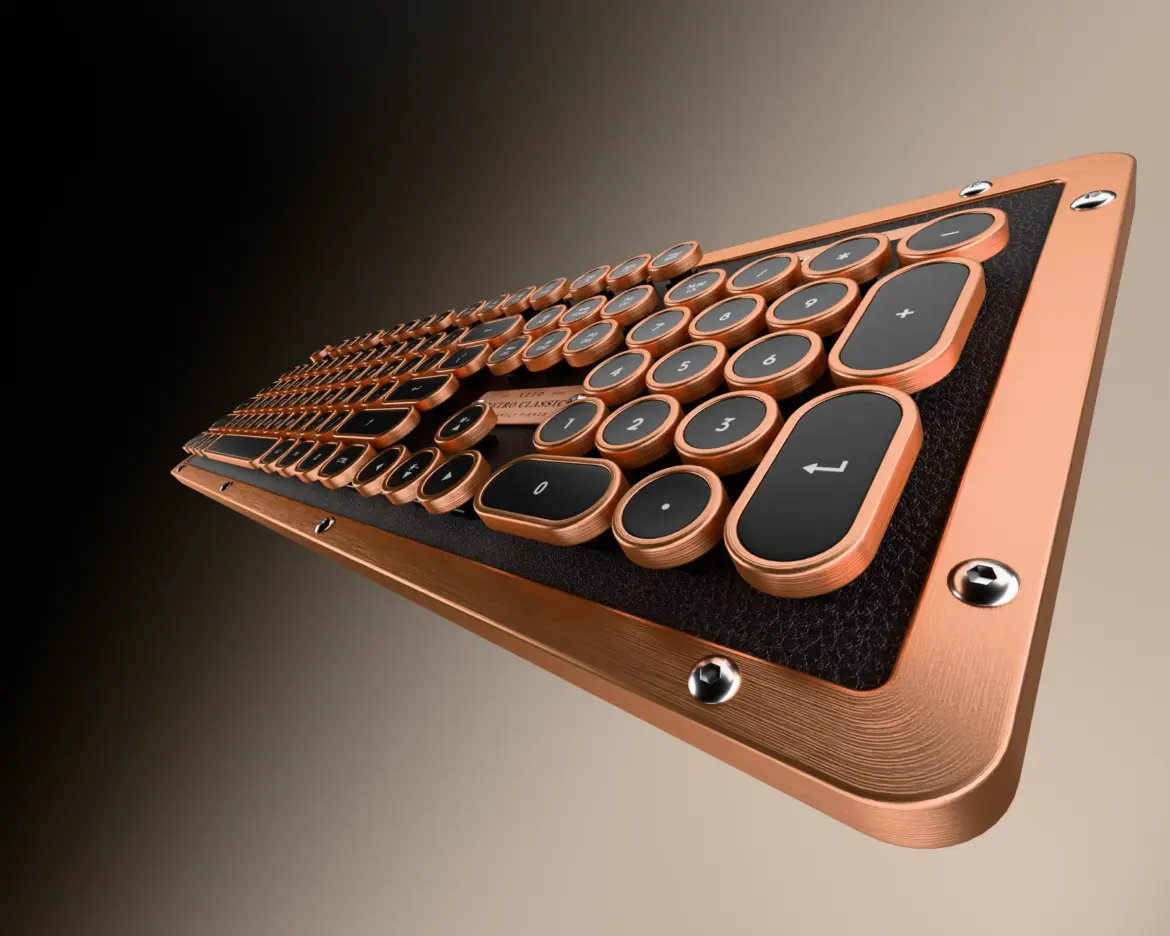
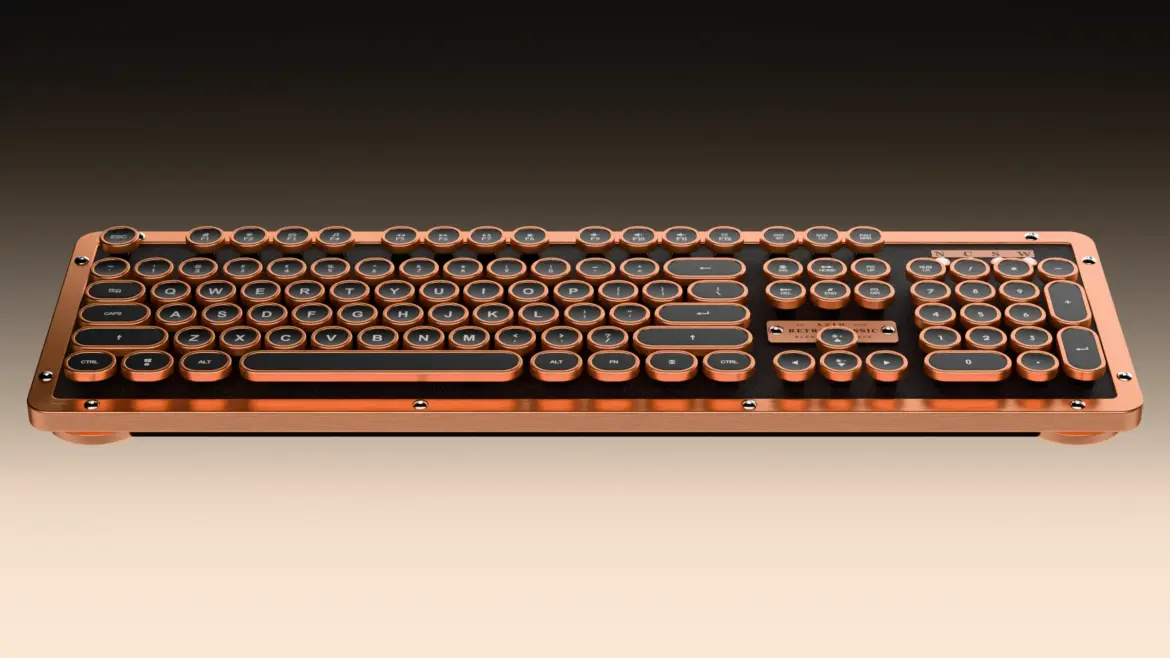
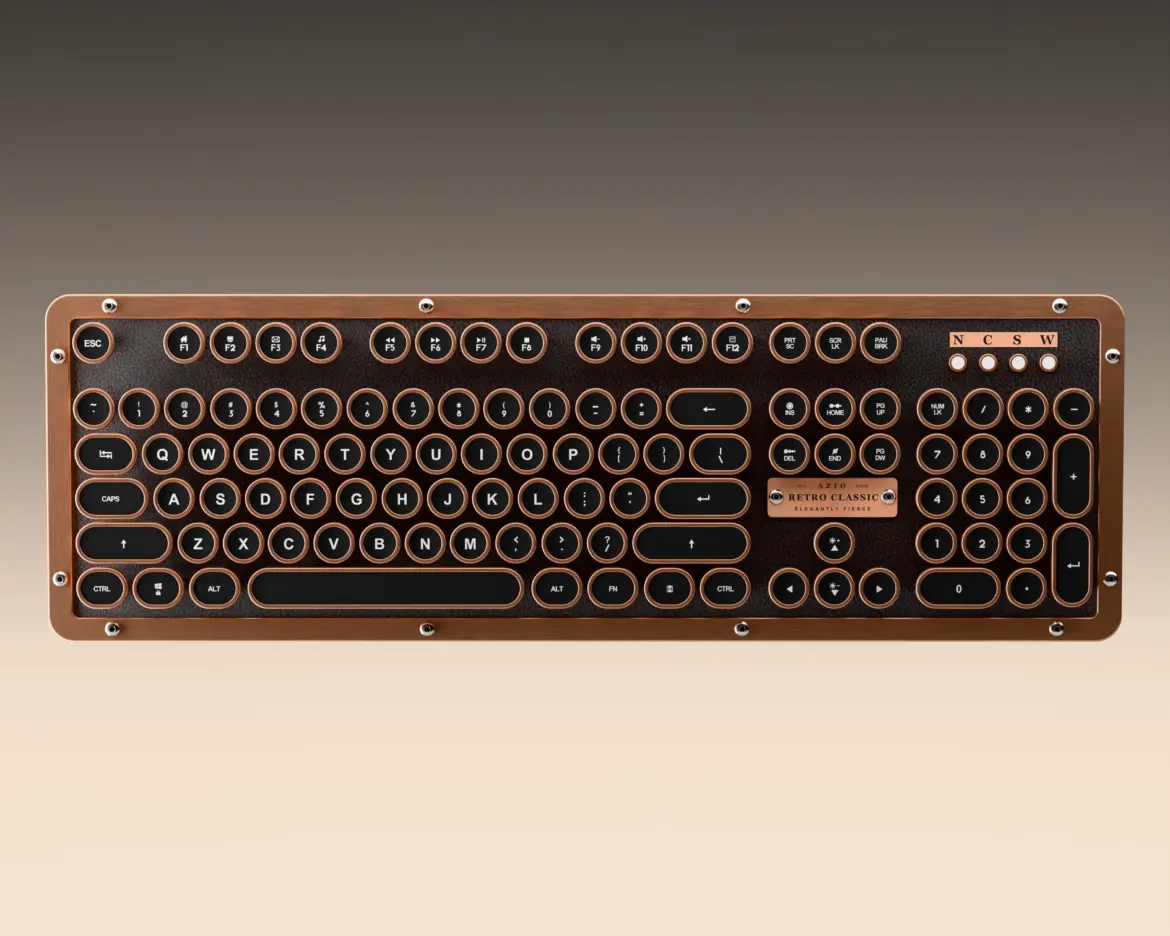
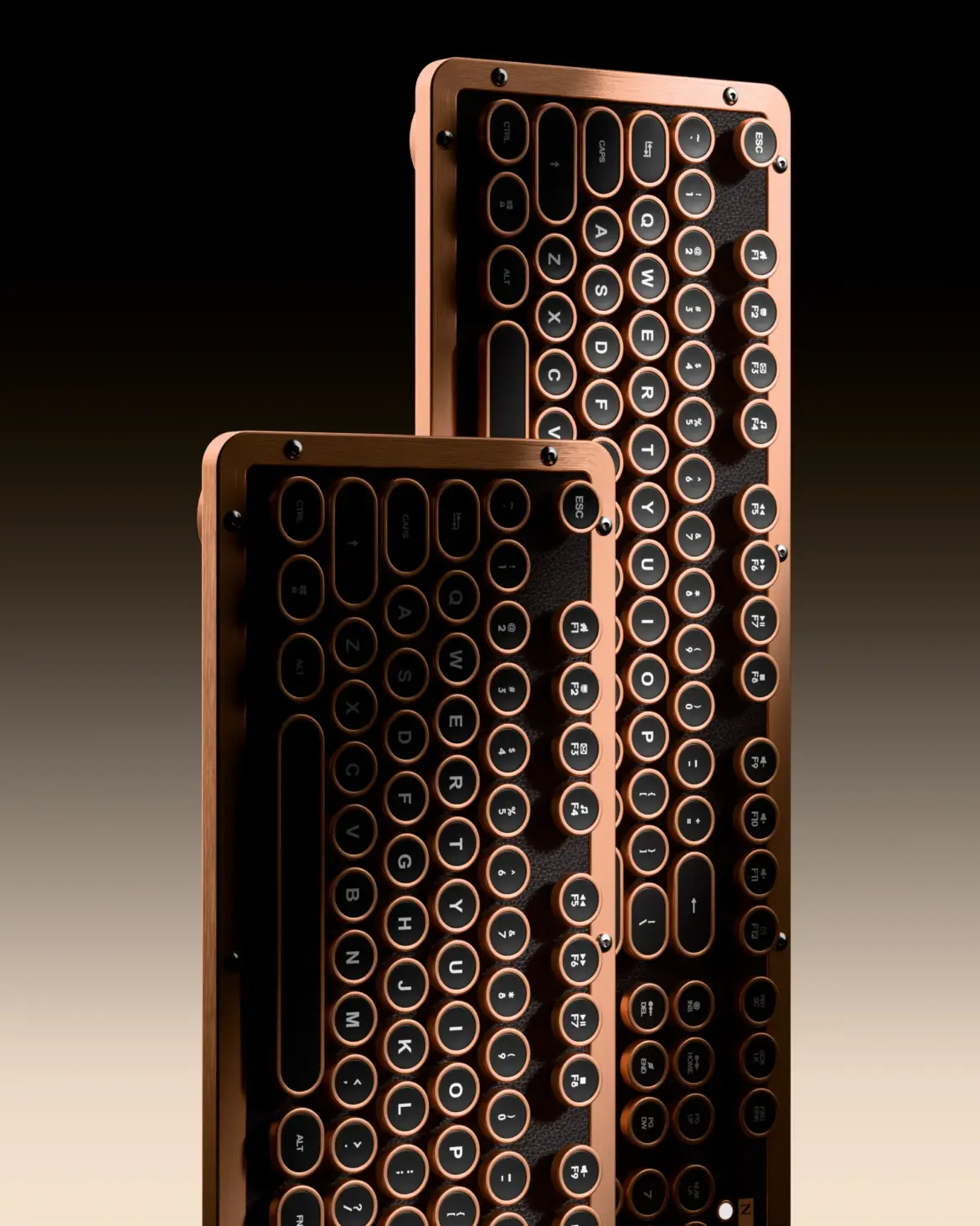
VNS Creatives explored how the environment itself can contribute to a product’s personality in the AZIO Retro Classic portfolio. That same principle can be applied to cosmetics: the world around the product should contribute to the story, whether the final result is static or animated.
What Makes CGI Product Animation Look Premium Instead of Obviously Computer-Generated?
The software alone does not make an animation convincing.
Realism and visual quality depend on several disciplines working together.
The product geometry must be accurate.
Materials need to react naturally to light.
Reflections need to reveal surfaces.
Lighting needs to define shape.
Camera movement needs to feel intentional.
Animation needs to have rhythm.
This is why premium CGI product animation is usually less about adding more effects and more about controlling details.
A product animation can look expensive because of one carefully placed highlight.
A material can look believable because of subtle surface imperfections.
A camera movement can feel cinematic because of its timing.
At VNS Creatives, the goal is not simply to demonstrate that a product was created in 3D. The goal is to use CGI as a production method for creating stronger commercial visuals.
Our article on CGI in 2026 explores why this level of digital control is becoming increasingly useful for brands that need content across multiple platforms.
Is Product CGI Animation Better Than Traditional Product Video?
Neither approach is universally better.
Traditional video is valuable when a campaign needs real people, physical interaction, practical environments, or authentic performances.
Product CGI animation is particularly useful when the creative idea requires control that would be difficult to achieve physically.
For example:
- Impossible camera movement
- Floating products
- Controlled liquid effects
- Perfectly repeatable lighting
- Digital environments
- Product variations
- Animation before a physical set exists
A CGI production also allows individual elements to be changed without necessarily rebuilding an entire physical shoot.
That flexibility can be important when a brand needs several versions of the same campaign.
The wider discussion about how CGI compares with other emerging visual technologies is explored in VNS Creatives’ article on AI vs CGI in 2026, particularly around product accuracy, consistency, and animation control.
The best production method should follow the campaign—not fashion.
How Do Brands Use CGI Product Animation for Ecommerce?
Ecommerce does not always mean a plain product image.
Online stores increasingly need multiple forms of product content, including:
- Hero images
- Alternate views
- Lifestyle imagery
- Detail visuals
- Feature demonstrations
- Short product videos
A reusable CGI asset can connect these formats.
The same digital product used for a CGI product animation can also be rendered as a still ecommerce image or placed inside a lifestyle environment.
For marketplace-focused content, image requirements and customer expectations can also differ. VNS Creatives has explored these challenges in its guides to Amazon product listing images, Flipkart product listings, and Walmart product listing images.
This is why 3D product content creation for ecommerce should be considered as a broader content strategy.
The product should be capable of appearing wherever the customer encounters it.
Can CGI Product Animation Help a Brand Create More Content From One Product?
Yes. This is one of its most practical advantages.
A detailed digital product can potentially become the source for:
- Product CGI
- Studio renders
- Cosmetic product visuals
- Lifestyle images
- Ecommerce images
- Social media content
- Product animations
- Commercial videos
This can be particularly valuable when brands regularly update campaigns, create seasonal promotions, or launch the same product across multiple markets.
The digital asset becomes more than a production file.
It becomes part of the brand’s content library.
For brands that want to understand how professional animation production fits into a wider commercial workflow, our article on choosing a 3D animation company discusses the importance of creative and technical capability working together.
What Is the Difference Between 3D Product Animation and a Basic Product Rotation?
A basic product rotation shows the object.
A strong 3D product animation tells the viewer where to look and when.
That difference comes from storytelling.
A commercial animation may begin by hiding part of the product before revealing it.
The camera may move closer to a feature.
Lighting may change to reveal a material.
The environment may transition as the product moves.
The product can become the visual climax of the sequence.
A basic rotation can be useful for technical presentation or ecommerce.
But CGI product animation for advertising often requires a stronger visual concept.
The objective is not merely:
Here is the product from every angle.
It is:
Here is why this product deserves your attention.
For artists and brands interested in the underlying animation workflow, our Blender 3D animation guide explores how 3D animation tools support product-focused production.
How Much Does CGI Product Animation Cost?
The cost depends heavily on the creative requirements.
A simple product animation may require relatively straightforward modelling, materials, lighting, and movement.
A more complex commercial can involve:
- Creative direction
- Storyboarding
- Detailed product modelling
- Advanced materials
- Environment creation
- Camera animation
- Fluid simulations
- Visual effects
- Rendering
- Compositing
- Sound design
The number of products, duration of the animation, complexity of the environment, and level of realism can all affect production requirements.
The more useful question is often not simply:
How much does one CGI product animation cost?
It is:
What else can the digital product asset create after the animation is finished?
If the same asset can later support product images, ecommerce content, cosmetic lifestyle images, and additional campaigns, its value may extend beyond one video.
How Can VNS Creatives Approach CGI Product Animation for Different Types of Brands?
The creative process should change according to the product.
A skincare product may require liquid-focused movement and premium material presentation.
A technology product may need precise feature reveals.
A fashion product may depend more heavily on environment and brand atmosphere.
A luxury product may require slower pacing, controlled reflections, and highly detailed close-ups.
This is why VNS Creatives does not approach every animation as a standard template.
Projects across different categories require different visual priorities. The Neeman Shoe portfolio illustrates how product-focused visual presentation can change depending on the material, category, and brand story.
For beauty and cosmetic products, that same approach can connect cosmetic photography, skin care product images, hair care product images, product CGI, and animation into one visual direction.
What Should a Brand Prepare Before Starting a CGI Product Animation?
The more accurate the product information, the better the production foundation.
Useful materials can include:
- Product photographs
- Packaging dimensions
- Label artwork
- Logo files
- Material references
- Product samples, where available
- Brand guidelines
- Existing campaign references
- Creative objectives
However, a brand does not necessarily need to arrive with a complete storyboard.
At VNS Creatives, creative direction can be developed around the product and the campaign objective. For brands seeking a wider creative partnership, our article on working with a creative agency in Mumbai discusses the role a creative team can play beyond the final production stage.
The most important starting point is knowing what the content needs to achieve.
Where Does Cosmetic Photography Fit Into a CGI Product Animation Strategy?
Cosmetic photography remains highly relevant.
A real photograph can capture authentic human interaction, physical textures, and environments that a brand may specifically want.
CGI adds another layer of flexibility.
The two approaches can work together within one campaign.
A brand might use cosmetic photography for a product page, create skin care product images for ecommerce, develop cosmetic lifestyle images for advertising, and use CGI product animation for a launch video.
The campaign then becomes visually connected without forcing every asset to use exactly the same production method.
This is ultimately the value of combining photography, product CGI, and animation.
Each method solves a different visual problem.
Final Thoughts: Is CGI Product Animation About Technology or Storytelling?
It is both—but technology should serve the story.
CGI gives artists the ability to control products, lighting, materials, cameras, environments, and movement with extraordinary precision.
But those tools only become valuable when they help a brand communicate something.
A good CGI product animation should make the viewer notice the product.
A great one should make the product memorable.
For VNS Creatives, that means looking beyond a single animation.
A product can become cosmetic photography, product CGI, skin care product images, hair care product images, cosmetic lifestyle images, ecommerce content, and 3D product animation.
The product is the starting point.
The visual possibilities are what follow.