
For decades, the basic workflow behind product photography was straightforward.
A product was manufactured, sent to a studio, photographed from the required angles, retouched, and delivered as a collection of images.
That workflow still exists—and it still has an important place.
But in 2026, the question facing brands is no longer simply, “How do we photograph this product?”
It is increasingly:
“How do we create enough visual content from this product to use across every place our customers see it?”
A single product may now need studio images for ecommerce, lifestyle visuals for advertising, marketplace images, social content, campaign creatives, product videos, and animations. That shift is changing how brands think about photography, CGI, and 3D production.
Recent ecommerce discussions reflect this change. Brand owners and creators are actively debating traditional photoshoots, AI-generated visuals, reusable 3D assets, and whether one digital product model can support images, videos, lifestyle scenes, and future campaigns.
At VNS Creatives, we see these methods less as competitors and more as different ways of solving different visual problems.
Is Product Photography Still a One-Day Photoshoot?
For some brands, yes.
For many others, not anymore.
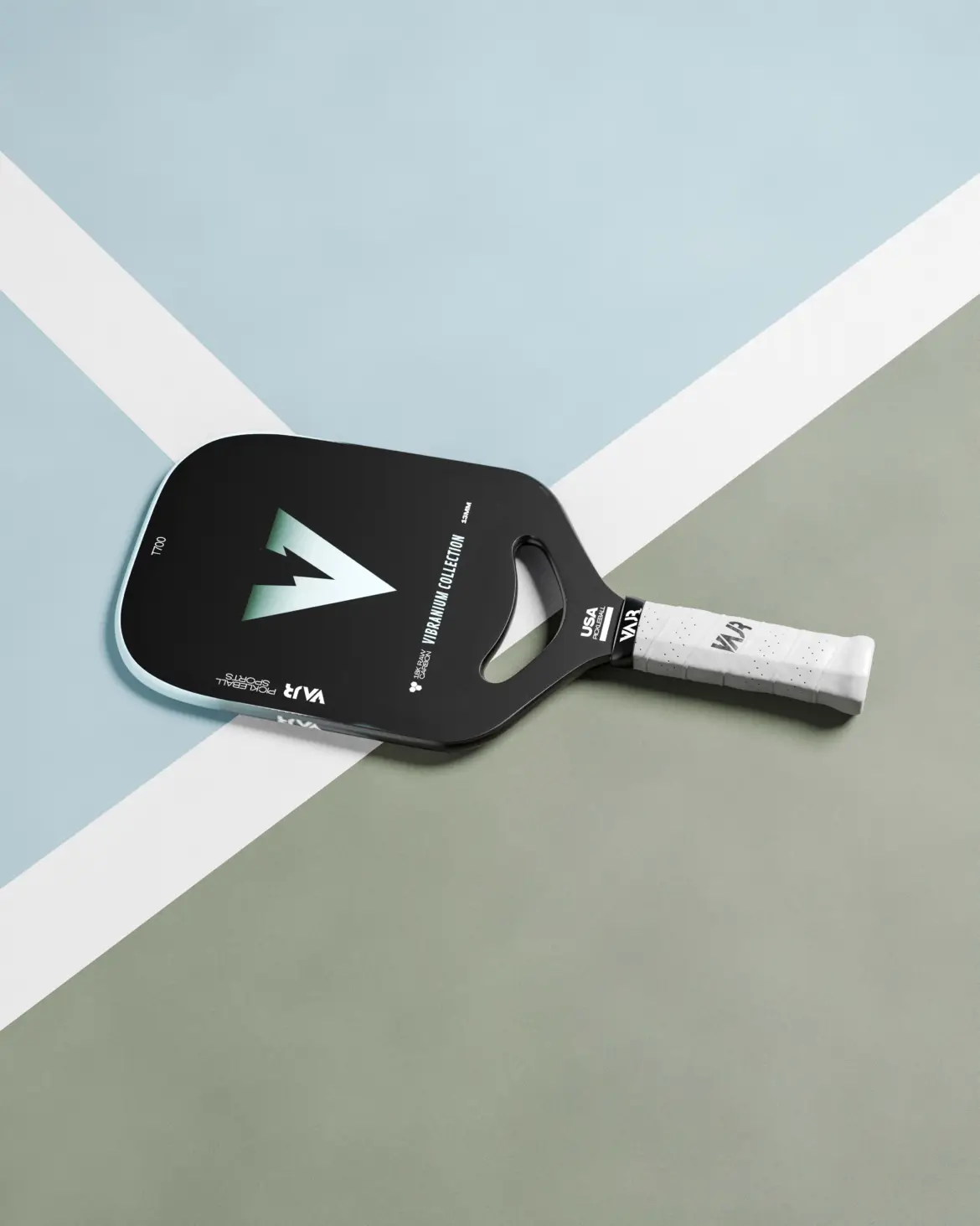
A traditional photoshoot captures a specific product at a specific time, under specific lighting, from a selected group of angles. That may be exactly what a brand needs when the objective is to produce a fixed collection of images.
The challenge begins when the content requirements continue growing.
The product may later need a new campaign image. A festive version. A different background. A lifestyle visual. A product video. Another marketplace listing. A completely new creative direction.
Suddenly, product photography is no longer one deliverable. It becomes part of an ongoing content requirement.
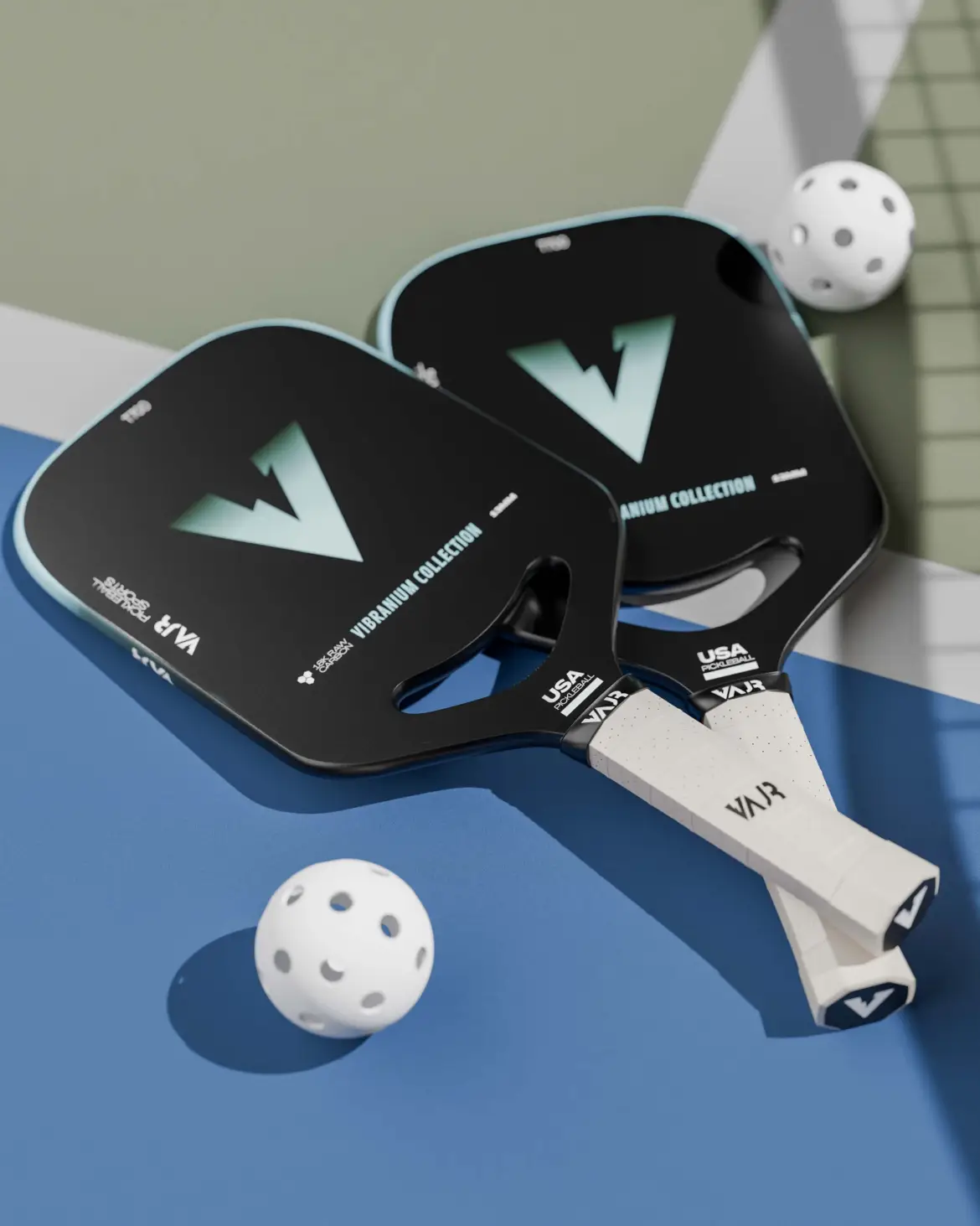
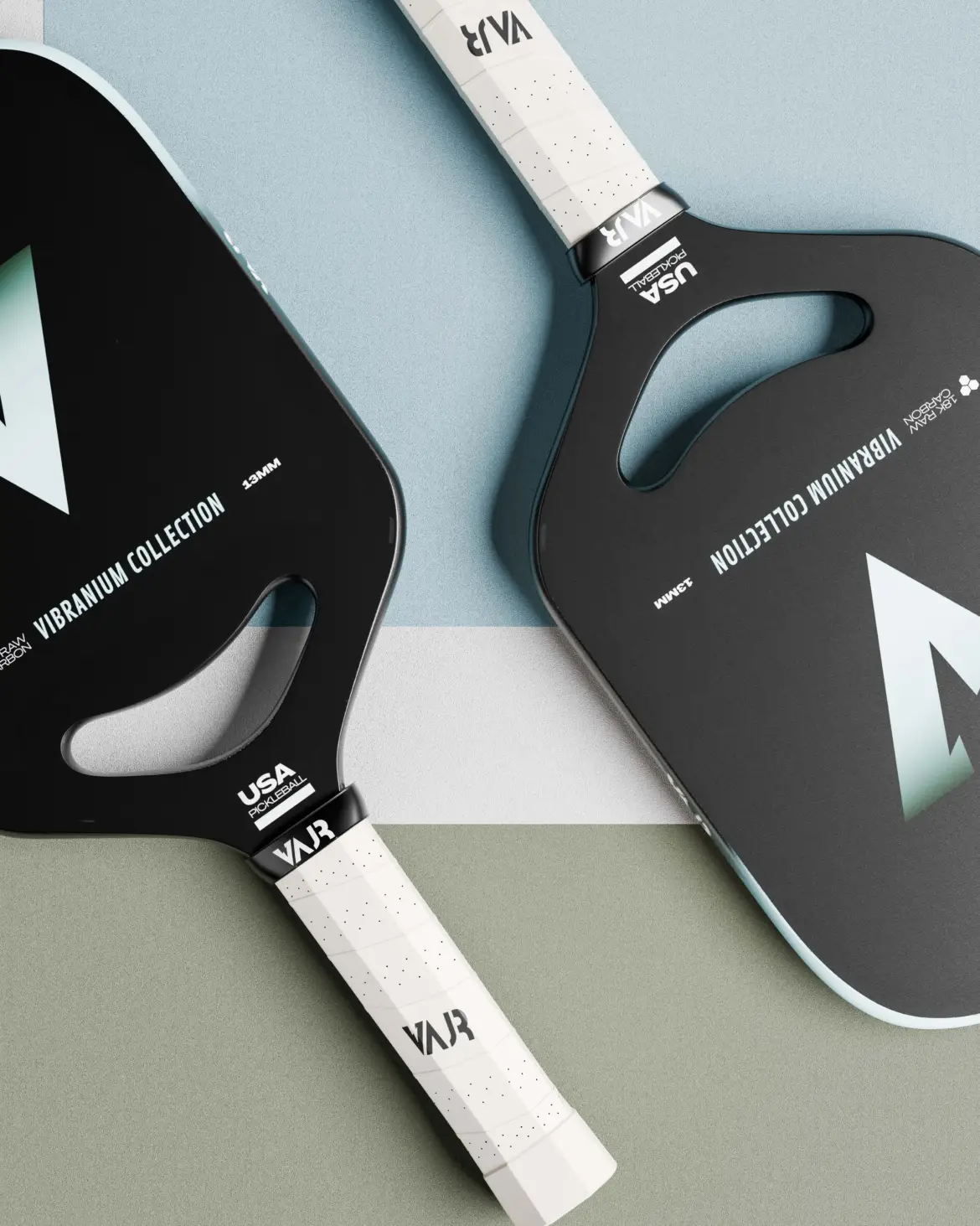
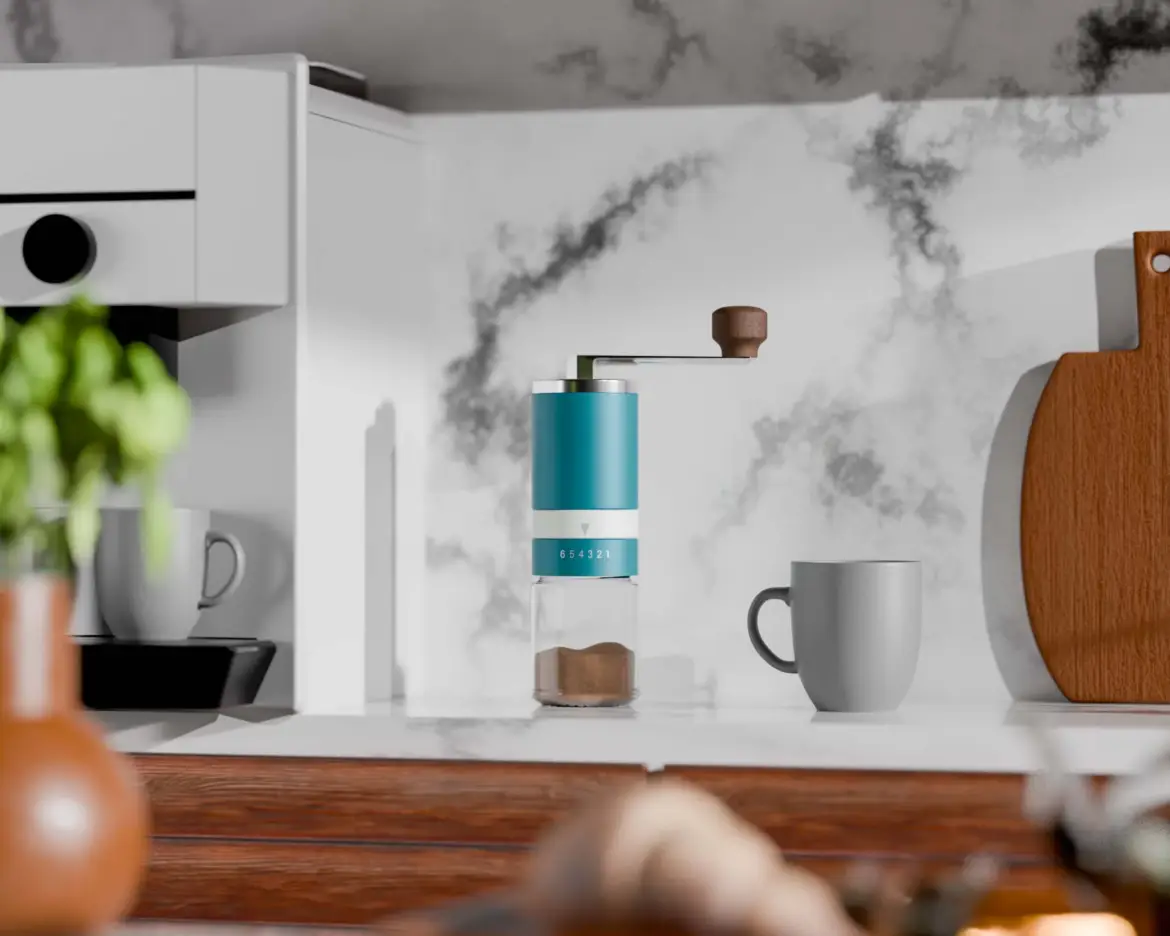
This is where the idea of a reusable digital product becomes increasingly useful. A detailed product asset can potentially support studio-style imagery, advertising compositions, and motion content without requiring every visual idea to begin with another physical shoot.
At VNS Creatives, this product-first approach can be seen across projects such as the Morzze Tap 3D Images portfolio, where controlled product presentation becomes the foundation for creating consistent visuals.
Why Do Brands Need More Than Clean Studio Product Images in 2026?
Clean studio images remain essential.
Customers still need to see what they are buying.
But product images now perform different jobs at different stages of the customer journey.
A studio image can establish clarity.
A lifestyle image can establish context.
A detail shot can answer questions.
A video can demonstrate movement.
An animation can create attention.
This means the strongest product photography strategy may not consist of ten versions of the same studio shot.
It may consist of several different visual formats, each with a specific purpose.
A useful recent discussion among ecommerce sellers illustrates this debate: some sellers are questioning whether polished studio images, lifestyle scenes, UGC-style imagery, or contextual shots are more useful at different stages of a product page.
For brands selling online, this also changes how ecommerce content is planned. Our guide to ecommerce photography in India explores why product imagery has to balance visual quality with the practical requirements of online selling.
Can Studio Product Photography and Cosmetic Photography Use the Same Creative Thinking?
Absolutely.
Although products differ, the creative challenge is often similar: the image needs to communicate more than the physical object.
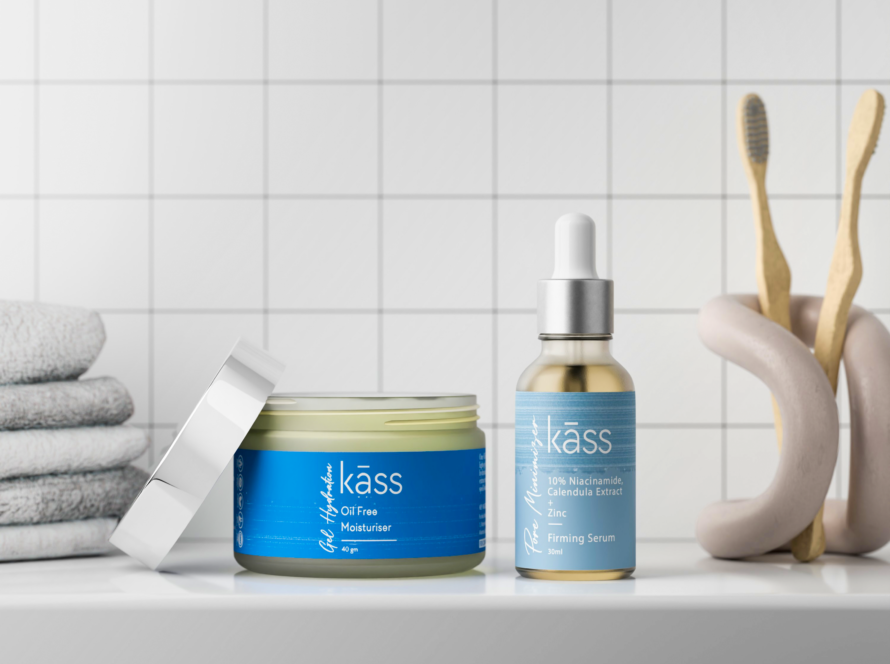
For beauty brands, cosmetic photography may need to communicate hydration, luxury, freshness, science, or natural ingredients.
For a technology product, the image may need to communicate precision and innovation.
For footwear, the image may need to communicate material, comfort, movement, or lifestyle.
The product category changes, but the underlying question remains:
What should the viewer understand about this product before they even read the description?
That is why product photography and art direction are closely connected.
VNS Creatives explored this specifically in our Cosmetic Photography article, where we look at how skin care product images, hair care product images, and cosmetic lifestyle images can create meaning around a physical product.
A photograph does not need to explain everything.
But it should give the customer a reason to continue looking.
Are Skin Care Product Images Becoming More Like Advertising Than Ecommerce Photography?
In many cases, yes.
A basic ecommerce image is designed primarily for clarity.
A campaign image has a broader job. It needs to create attention, atmosphere, and emotional association.
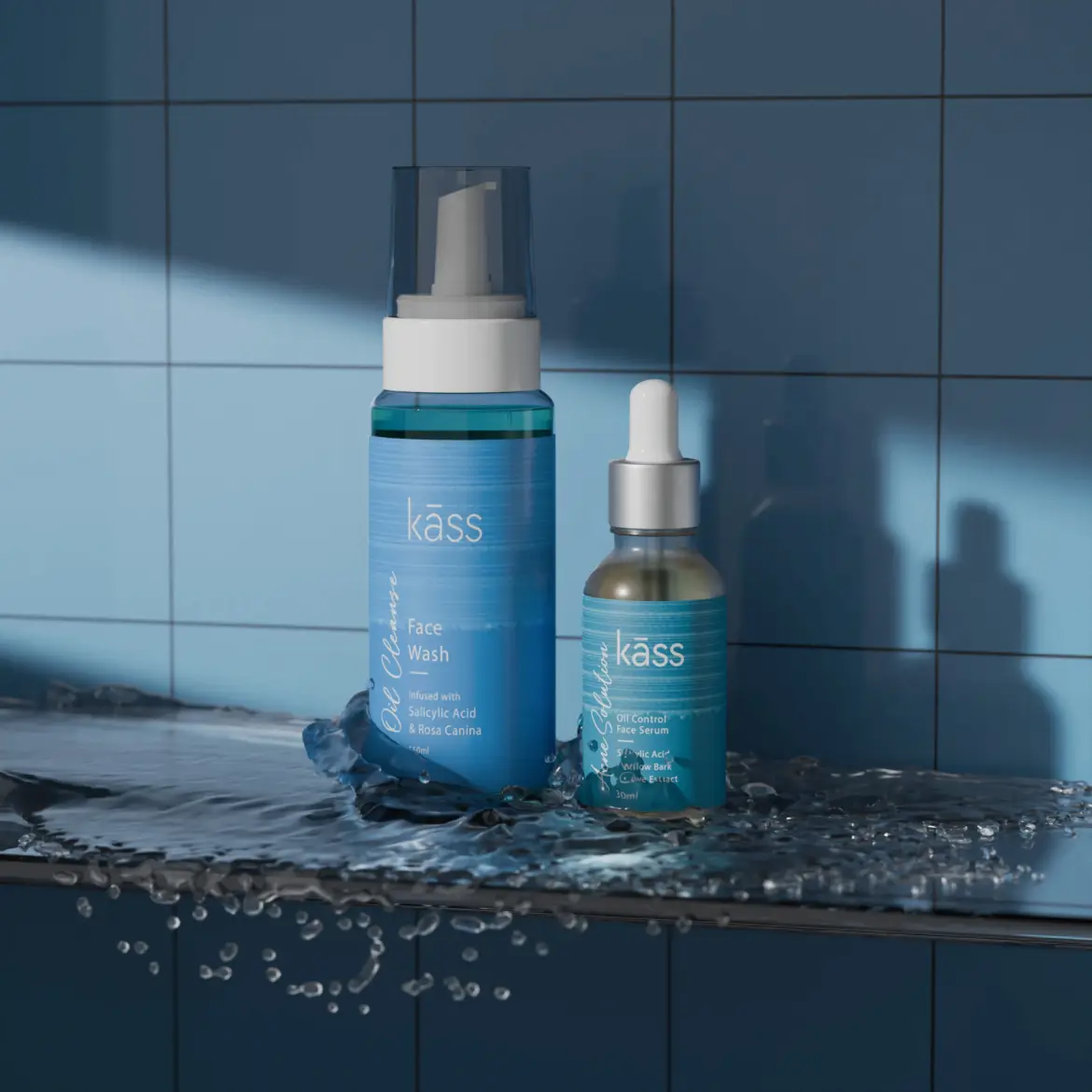
This is particularly visible in skin care product images.
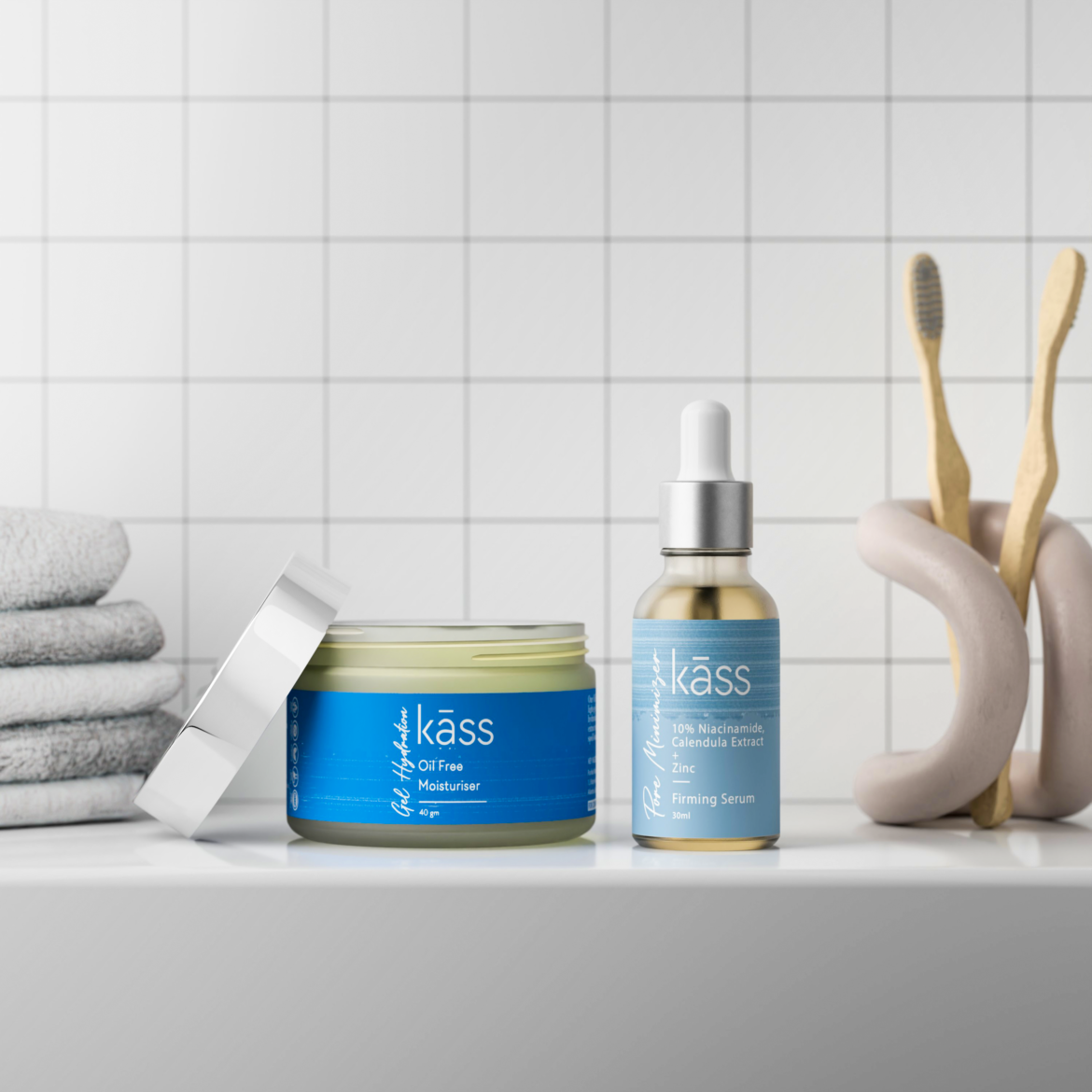
A simple serum bottle may appear on a white background for an ecommerce listing, while the same product can appear inside an advertising composition involving liquid, glass, ingredients, or abstract forms.
Both images are useful.
They simply answer different questions.
The studio image asks:
What is this product?
The campaign image asks:
What does this product represent?
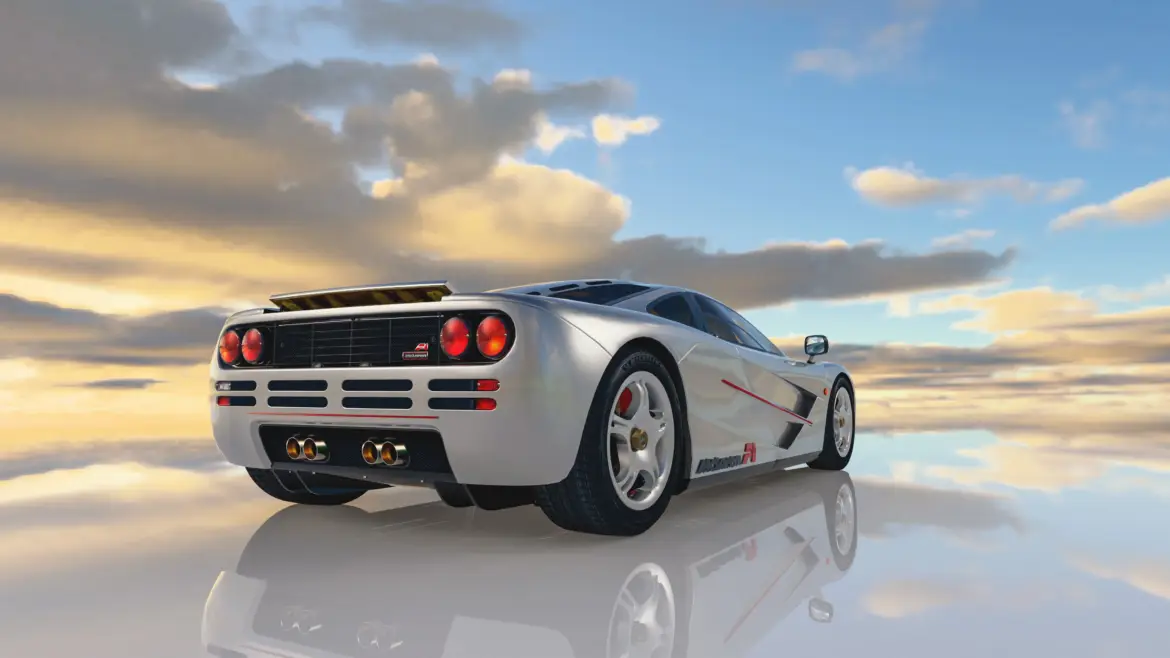
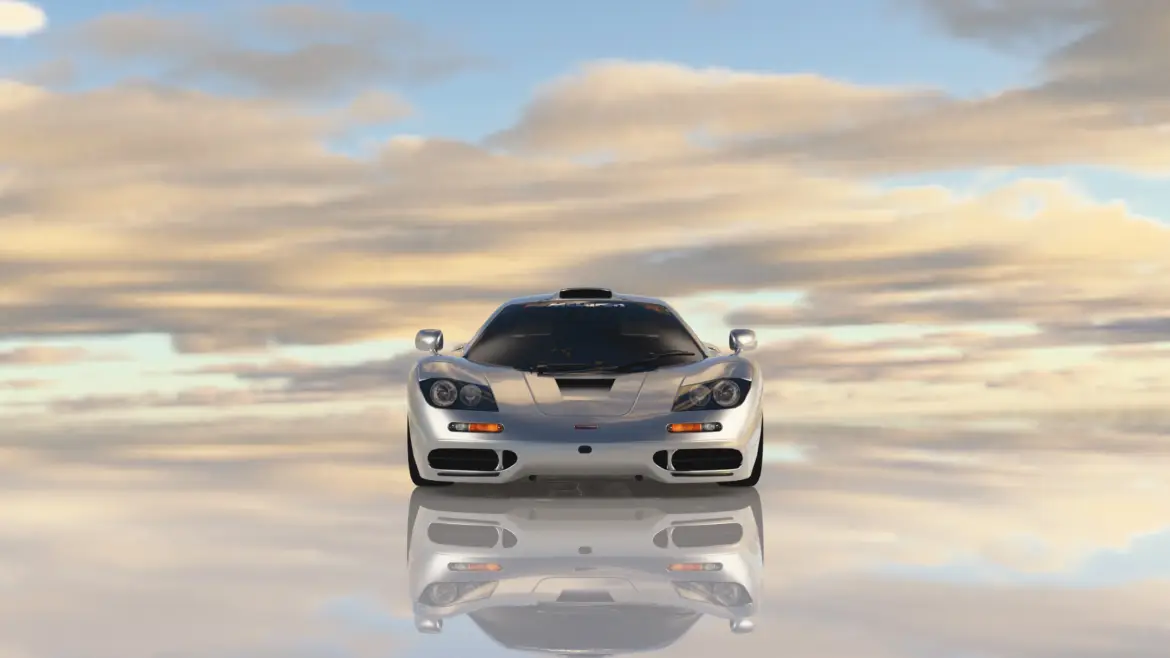
This is where VNS Creatives can move beyond conventional photography workflows into product visualization. A carefully created 3D asset allows lighting, composition, and environments to be explored while keeping the product itself consistent.
Our 3D Product Rendering guide explains how this digital foundation can be used to create highly controlled product imagery.
What Is Changing About Hair Care Product Images?
Hair care products often need to appear across more visual situations than traditional packaging photography was designed for.
A shampoo bottle may need:
- A clean ecommerce image
- A campaign visual
- A social media creative
- A lifestyle composition
- A short product video
The difficulty is making the product feel consistent across all of them.
The bottle shape should remain recognisable.
The label should remain accurate.
The material should react naturally to lighting.
The brand should feel visually connected from one platform to another.
This is one reason Product CGI is becoming relevant alongside traditional product photography.
Instead of treating every new image as an independent production, a digital product can become a common visual source.
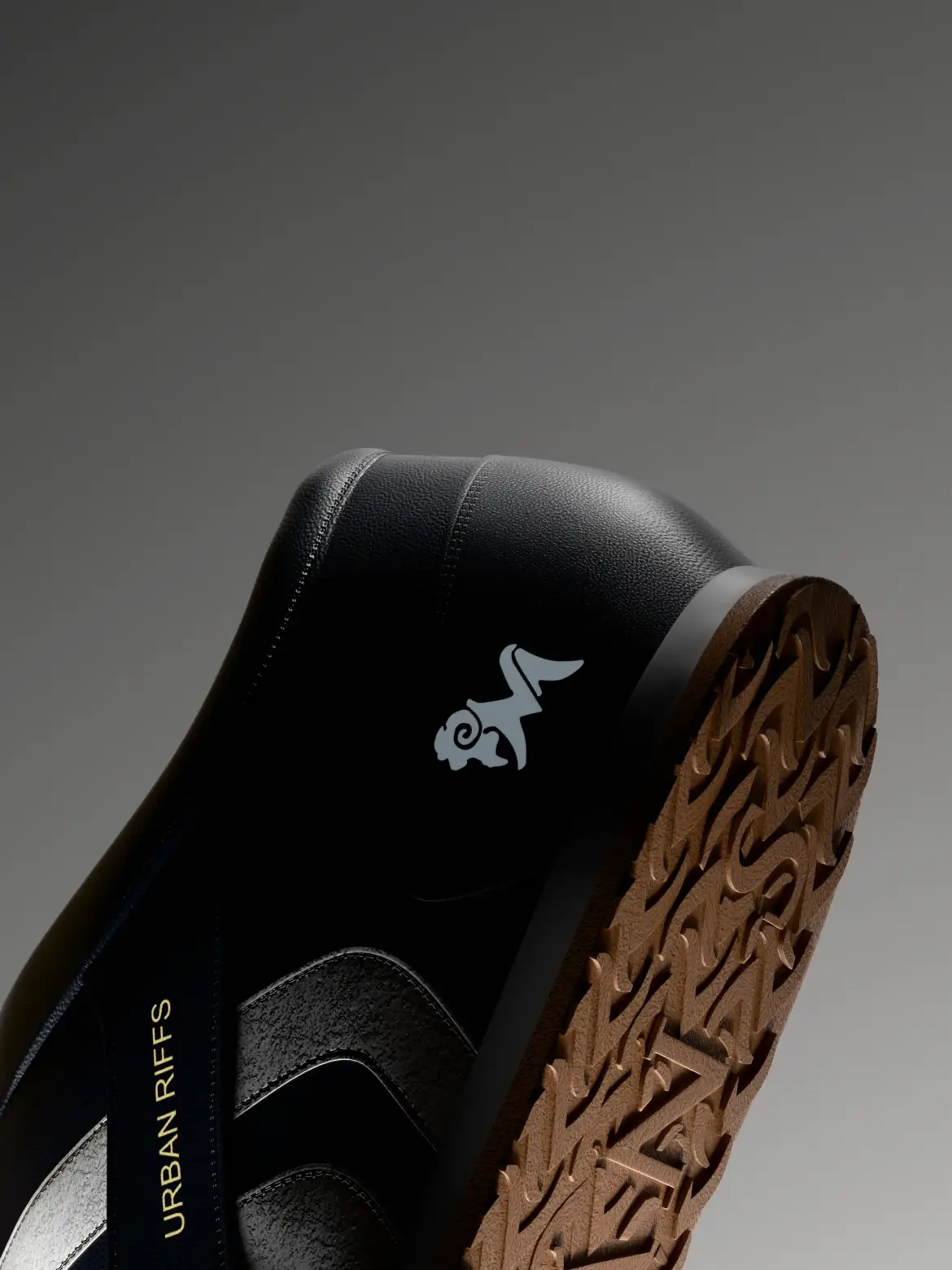
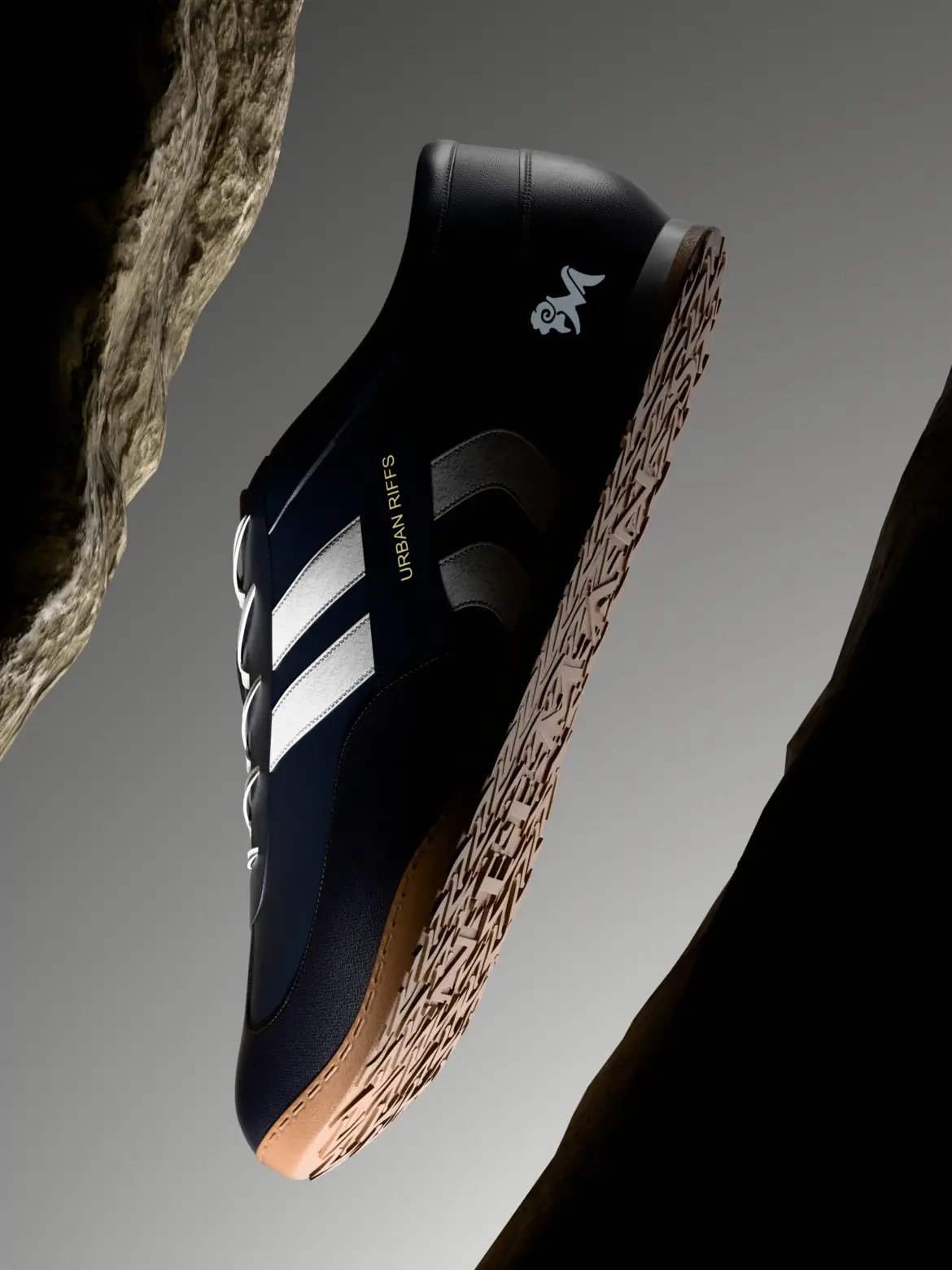
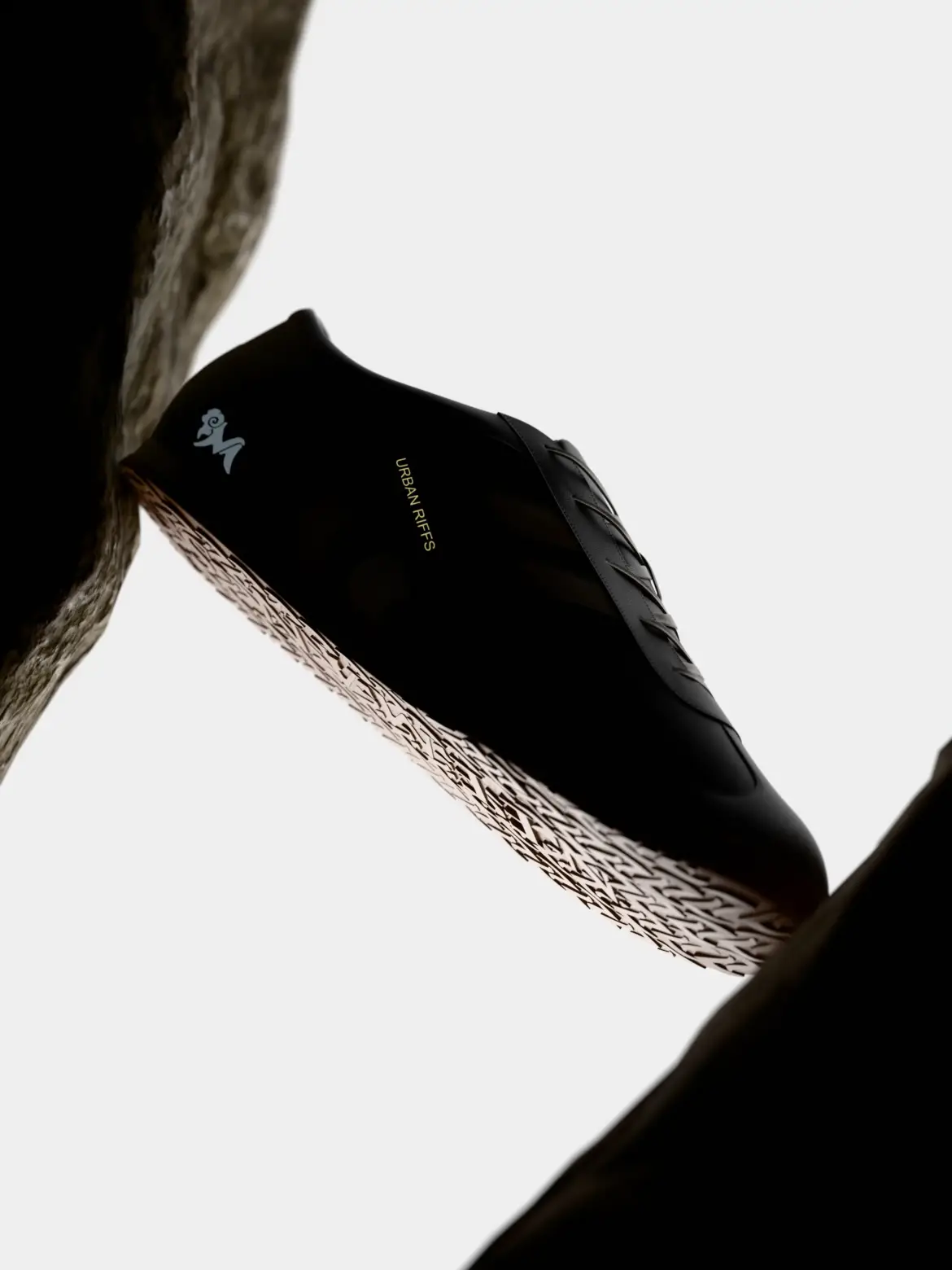
VNS Creatives has applied controlled digital visualization across different product categories, including projects such as the Neeman Shoe portfolio, where product materials and presentation require close visual attention.
For hair care and cosmetic brands, the same approach can help create a consistent visual language across still imagery and animation.
Why Are Lifestyle Images Becoming More Important Than Just Beautiful Backgrounds?
Because customers increasingly need context.
A lifestyle image of skin and hair care products, for example, can help a customer imagine where the product belongs and what type of experience it represents.
But there is an important difference between context and decoration.
Adding flowers, fabric, water, or props around a product does not automatically create a meaningful lifestyle image.
The environment needs to support the story.
A luxury cosmetic product may belong in a highly controlled editorial environment.
A natural product may work better with botanical references.
A technology product may need a minimal environment that emphasises precision.
The most successful cosmetic lifestyle images usually make the product feel as though it belongs in the scene.
VNS Creatives explored this relationship between product and environment in the AZIO Retro Classic portfolio, where the visual world around the product contributes to its identity rather than acting as a generic backdrop.
Is CGI Replacing Product Photography in 2026?
Not completely.
And that is probably the wrong question.
Recent discussions among ecommerce brands show that businesses are still weighing where real photography, AI, and 3D visualization work best. Some sellers continue to prefer real photography for complex textures and materials, while others are experimenting with reusable digital assets for scalable campaign production.
Traditional photography remains valuable when a campaign requires:
- Real people
- Authentic physical interaction
- Specific locations
- Genuine textures
- Practical environments
CGI becomes particularly useful when the brand needs:
- Precise product control
- Multiple visual variations
- Difficult camera angles
- Controlled reflections
- Digital environments
- Reusable assets
The decision is increasingly less about replacing one production method with another.
It is about choosing the right production method for the visual requirement.
That is the thinking behind our CGI Product Animation article, which explores how a product can move from a digital asset into commercial animation and motion-led content.
Can One Product CGI Asset Really Support Multiple Campaigns?
Yes, if the asset is created with that purpose in mind.
A detailed digital product can potentially become:
- Product CGI
- Studio-style images
- Cosmetic product visuals
- Lifestyle compositions
- Ecommerce images
- Social media content
- 3D animations
- Commercial product videos
This is changing the economics of content production.
Instead of thinking about the cost of one image, brands can begin thinking about the lifetime value of a product asset.
A product launch might begin with several studio renders.
Months later, the same asset may be used for a seasonal campaign.
Later, it may become part of a CGI product animation.
That approach is particularly relevant to 3D product content creation for ecommerce, where one product can need dozens of visual variations across different sales channels.
Our guides to Amazon product listing images, Flipkart product listings, and Walmart product listing requirements show how product imagery can also have different practical requirements depending on where it is being sold.
When Does Product Photography Need 3D Animation?
Not every product needs to move.
A static image may be the strongest format when the objective is to show the packaging clearly or create one powerful campaign composition.
But 3D product animation becomes useful when movement helps communicate something.
The camera can reveal the product gradually.
Lighting can move across a surface.
The product can rotate toward an important feature.
Liquids or other visual elements can interact with the product.
The environment can transform as the story develops.
This is where 3D animations and product photography begin to overlap creatively.
The product still needs to look accurate.
The lighting still needs to reveal its form.
The composition still needs hierarchy.
The difference is that animation adds time to the creative process.
VNS Creatives explored this transition from product visualization to motion in the SheaBouba 3D Animation project, where the product becomes part of a larger cinematic sequence.
What Should Brands Expect from 3D Product Video Animation Services?
A professional 3D product video animation service is not simply about making an object rotate.
Depending on the campaign, the production can involve:
- Creative direction
- Storyboarding
- Product modelling
- Material development
- Lighting
- Environment design
- Camera animation
- Product animation
- Simulations
- Rendering
- Compositing
The process should begin with the campaign objective.
Does the brand want to launch the product?
Demonstrate a feature?
Create a premium brand film?
Build short-form social content?
Explain something that cannot be shown clearly in a static image?
The answer determines the animation.
For a broader understanding of animation workflows, our Blender 3D Animation article explores the production side of creating 3D motion content, while our guide to choosing a 3D Animation Company looks at the wider creative and production considerations.
Is AI Changing Product Photography Too?
Undoubtedly—but AI is introducing another production option rather than creating one universal replacement.
Ecommerce communities are actively discussing AI-generated product images and videos. A recurring concern is that AI can accelerate background generation and lifestyle concepts while still struggling with product accuracy, text, precise colours, transparent materials, and reflective surfaces.
That distinction matters.
A visually impressive image is not automatically a good product image if the packaging, label, colour, or physical form is inaccurate.
For brands where product accuracy is critical, CGI offers a different type of control because the visual begins with a deliberately constructed digital version of the actual product.
Our article on CGI in 2026 explores this wider evolution and why brands are increasingly combining different technologies instead of relying on one method for every campaign.
How Can a Brand Decide Between Product Photography, Product CGI and Animation?
Start with the content requirement.
Choose traditional product photography when reality itself is important to the image.
Consider Product CGI when flexibility, consistency, and reusable product assets are priorities.
Consider CGI product animation or 3D product animation when movement can improve storytelling.
The decision may look something like this:
Need clear marketplace images?
Studio photography or controlled product renders may be appropriate.
Need a lifestyle campaign with several variations?
Photography, CGI, or a hybrid workflow may provide the best result.
Need an impossible camera movement or cinematic product reveal?
CGI product animation may be the stronger choice.
Need a complete visual system around one product?
A combination of studio images, Product CGI, cosmetic lifestyle images, and animation may offer the greatest flexibility.
The technology should follow the brief.
Not the other way around.
What Does the Future of Product Photography Mean for Creative Agencies?
The biggest change may not be the camera.
It may be the workflow.
Brands are increasingly looking for visual partners that can think beyond a single deliverable.
They need teams that understand:
- Product presentation
- Ecommerce requirements
- Art direction
- CGI
- 3D animation
- Campaign content
- Brand consistency
This is why the role of a creative partner is expanding.
At VNS Creatives, we approach products as the starting point for a larger visual system. That can mean a studio-style product image, a lifestyle composition, a detailed Product CGI asset, or a full CGI product animation.
Our perspective on this broader role is also discussed in Creative Agency in Mumbai, where creative production is considered as part of a brand’s wider communication strategy.
So, How Is Product Photography Changing in 2026?
Product photography is becoming less about producing one perfect image and more about building a flexible visual system around a product.
Studio images are still important.
Cosmetic photography is still important.
Skin care product images and hair care product images still need accuracy and creative direction.
Lifestyle imagery still creates emotional context.
But now those same products can also become reusable digital assets, Product CGI, ecommerce content, and 3D animations.
The biggest opportunity is not choosing between photography and technology.
It is understanding what each method can contribute.
A product can begin with a studio image.
It can develop into a cosmetic lifestyle visual.
It can become a reusable 3D asset.
And it can eventually become the centre of a cinematic CGI product animation.
That is how product photography is changing in 2026.
The photograph is no longer necessarily the end of the production process.
For brands working with VNS Creatives, it can be the beginning of an entire visual content system.