Launching a new product involves more than developing something people want to buy. You also need to show customers what it looks like, explain why it is useful, and give them a reason to pay attention before your competitors do.
But what if you don’t have a physical product ready for a photoshoot? What if your product has features that are difficult to explain through static images? Or what if you want to create a premium advertising campaign without building expensive sets or arranging complicated product shoots?
This is where 3D product video production can make a difference.
Using computer-generated imagery (CGI), brands can create realistic product animations, cinematic reveals, detailed feature demonstrations, and advertising visuals without filming every shot with a physical camera. These videos can be used across websites, social media, e-commerce listings, digital advertisements, and product launch presentations.
However, does every new product actually need a 3D video? Not necessarily. The right choice depends on your product, launch strategy, budget, and the message you want customers to remember.
Let’s explore when 3D product videos are worth investing in and how to decide whether your next product launch needs one.
Do You Really Need a 3D Product Video production to Launch a New Product?
The short answer is that you need one when it solves a communication or marketing problem that other content formats cannot solve as effectively.
Imagine launching a new wireless headphone. You could photograph it against a white background, showing its shape, colour, and packaging. Those images are useful, but they might not communicate the product’s premium construction, internal technology, or unique design features.
With 3D animation, the headphones can rotate in a controlled environment, separate into individual components, and reveal selected internal features. The camera can move from a close-up of the ear cushions to the internal components before returning to a polished hero shot.
The same approach works for skincare packaging, electronics, home appliances, furniture, sports equipment, and industrial products.
A well-planned 3D animation for products project focuses on showing the details that help customers understand the product rather than adding movement simply to make a video look impressive.
You may not need a full-length animation for every launch. A short, carefully produced video highlighting two or three important features may be enough. The objective is to make the product easier to understand, more memorable, and more appealing to your intended audience.
What Makes a 3D Product Video Useful for a Product Launch?
A product launch usually needs several types of content. Customers need to recognise the product, understand its benefits, and decide whether it fits their needs.
A 3D product video can bring these elements together in a single visual experience.
1. It Introduces Your Product Before Customers See It in Person
The first few seconds of a launch video can establish the product’s visual identity. Controlled camera movement, realistic materials, dramatic lighting, and carefully planned composition can create a distinctive introduction.
For example, a premium perfume bottle could emerge from a dark environment as light travels across its glass surface. The camera could then move closer to reveal the cap, label, and liquid before finishing with the brand logo.
This approach is particularly useful when the product’s appearance and presentation are important to its positioning.
2. It Explains Features That Static Images Cannot Demonstrate
Some products have selling points that are difficult to communicate through photography alone.
A water purifier may contain several filtration stages. A portable device may include a complex hinge mechanism. A sports product may have a layered construction that affects its performance.
Through 3D animation, these features can be presented using exploded views, cutaways, component transitions, and close-up camera movements.
Explore our related article on product CGI to understand how digitally created product visuals can communicate design details that are difficult to capture in a conventional shoot.
3. It Gives Your Launch Campaign a Consistent Visual Style
A product launch may involve social media advertisements, website banners, e-commerce images, presentations, and promotional videos.
Producing every asset independently can make the campaign feel inconsistent.
A planned 3D production can establish a consistent visual language across these materials. The same product model, materials, lighting approach, and colours can be used to create multiple shots and formats.
For brands planning a wider advertising campaign, 3D animation commercial production can help translate the product’s visual identity into a more complete marketing concept.
Which Products Benefit Most From 3D Product Video Production?
Not every product requires complex animation. A simple product with a straightforward purpose may be presented effectively through photography or a conventional demonstration video.
However, some product categories benefit considerably from the flexibility of 3D production.
Consumer Electronics
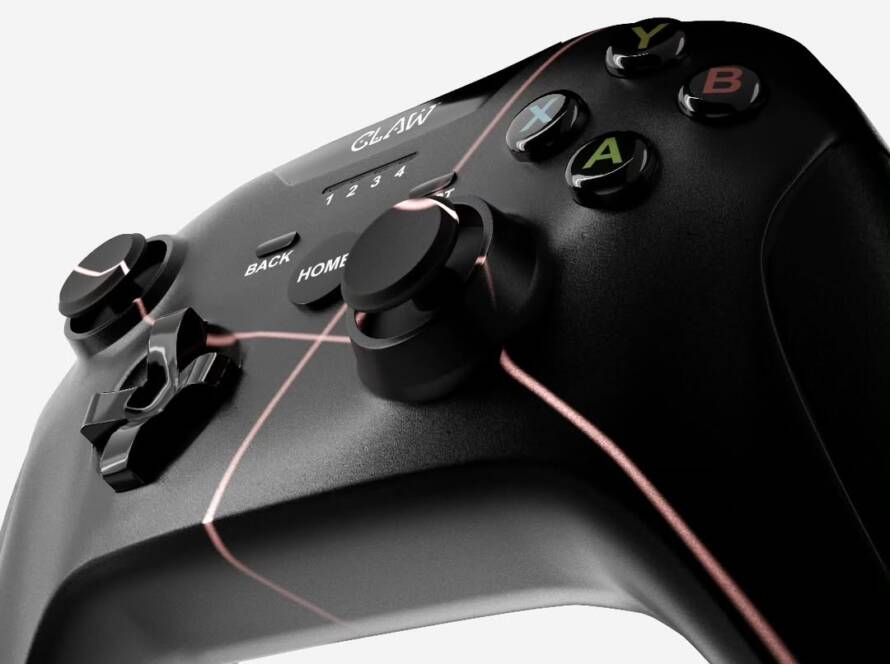
Headphones, smartphones, keyboards, speakers, gaming accessories, and smart home devices often have design details that deserve a closer look.
A 3D video can reveal ports, buttons, internal components, surface finishes, and assembly details. It can also demonstrate how a product opens, connects, folds, or operates.
For products competing in a visually crowded market, these details can help communicate design quality and differentiation.
Beauty and Personal Care
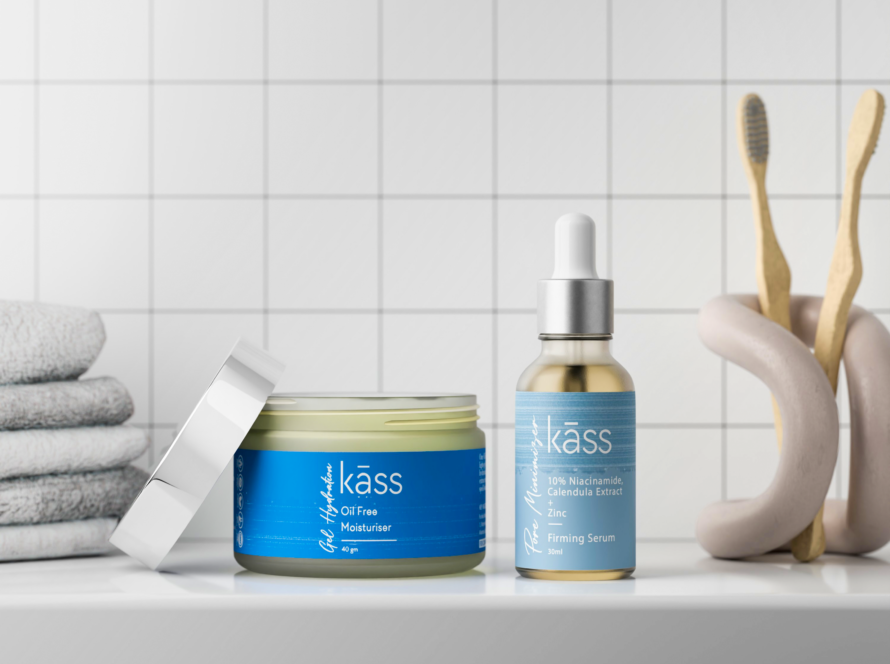
Skincare, haircare, cosmetics, and fragrance brands often depend on packaging, texture, colour, and presentation to establish their identity.
CGI can show a bottle rotating under controlled lighting, a cream spreading across a surface, or a container opening to reveal its design. Carefully designed liquid and particle simulations can also create more expressive advertising sequences.
These visuals can be especially useful when a brand wants a premium campaign style that is difficult to achieve with a basic tabletop shoot.
Home Appliances and Furniture
Products such as air purifiers, kitchen appliances, ergonomic chairs, and modular furniture can have features that require explanation.
An animation can show adjustable parts, internal airflow, assembly steps, or different configurations. For products with multiple colours or finishes, a digital model can also be used to create consistent variations.
Our article on 3D content creation for ecommerce explores how digital product assets can support the wider online shopping experience.
Industrial and Technical Products
Machinery, cables, engineering components, and specialised equipment can be difficult to explain using conventional footage.
A product animation can show how different components fit together, how a mechanism operates, or how a product is constructed layer by layer.
In these cases, the main benefit is not just visual appeal. It is the ability to explain technical information clearly and accurately.
Can You Create a Product Video Before Manufacturing the Product?
Yes. This is one of the most practical reasons to consider 3D product video production.
Traditional product photography generally requires a physical sample. If manufacturing is delayed, a prototype is unavailable, or the product is still undergoing development, your marketing team may have to wait before producing launch content.
With CGI, production can begin using suitable CAD files, technical drawings, product dimensions, packaging artwork, and reference images.
A 3D artist can build a digital representation of the product, apply materials and textures, create the required lighting, and animate the product according to the approved concept.
This makes it possible to prepare certain marketing assets while the physical product is still being developed.
For example, a startup preparing to launch a new kitchen appliance could develop its product animation while its manufacturer completes the first production batch. Once the design is approved, the brand could use the video for a launch landing page, retailer presentations, social media teasers, and pre-launch advertising.
However, there is an important consideration: the digital model must accurately represent the final product. If dimensions, materials, packaging, or features change during development, the CGI assets may need corresponding updates.
The more reliable the design references are at the start, the easier it is to maintain accuracy throughout production.
Is a 3D Product Video Better Than Traditional Product Videography?
Neither approach is automatically better. The right choice depends on what you need to communicate.
Traditional videography is valuable when you want to show real people using a product, demonstrate its physical feel, capture authentic environments, or create a human-centred brand story.
CGI is particularly useful when you need precise control over the product’s appearance, want to reveal internal components, or need to visualise a product before manufacturing.
Consider these differences:
| Requirement | 3D product video | Traditional product video |
|---|---|---|
| Product not yet manufactured | Can be created from suitable design references | Usually requires a physical sample |
| Internal component demonstrations | Can show cutaways and exploded views | Limited by physical access and filming techniques |
| Real people using the product | Requires additional production approaches for convincing human interaction | Naturally suited to live demonstrations |
| Multiple colour or material variations | Can be generated from the digital model | May require additional products or setups |
| Real-world authenticity | Depends on CGI quality and creative execution | Shows actual products and environments |
| Highly stylised product advertising | Offers extensive control over virtual environments | Depends on locations, props, lighting, and post-production |
Some launches benefit from combining both approaches. A brand might use CGI for a dramatic product reveal and technical feature demonstrations, then use live-action footage to show customers how the product works in everyday life.
For a broader understanding of the creative possibilities, see our guide to 3D animation product projects.
How Much Should You Invest in a 3D Product Video for a Launch?
The cost depends on what you want the video to achieve. There is no single price that applies to every product animation project.
A simple 360-degree product rotation generally requires less work than a cinematic advertisement involving detailed modelling, complex simulations, multiple environments, and extensive post-production.
The main factors affecting cost include:
- Product complexity: Detailed mechanisms, intricate packaging, and complex surfaces may require additional modelling and texturing.
- Animation style: A clean product rotation differs significantly from a cinematic sequence with multiple transitions and simulated effects.
- Video duration: Longer videos may require more shots, animation, rendering, and editing.
- Visual quality: Photorealistic materials, accurate reflections, sophisticated lighting, and detailed environments require careful execution.
- Deliverables: Multiple aspect ratios, shorter advertisements, still renders, and additional product variations can affect the total scope.
- Revisions: Changes to the product design, approved storyboard, or animation can require additional production time.
Before requesting a quotation, identify the video’s main purpose. Is it a short social media advertisement, a detailed product demonstration, a premium launch film, or a collection of e-commerce assets?
A clear brief helps a production studio recommend the appropriate level of detail and avoid spending your budget on visuals that do not support your marketing objectives.
If your campaign includes television-style advertising or a larger promotional concept, our guide to 3D animation TV commercial production provides another relevant perspective on the role of animation in commercial campaigns.
When Is 3D Product Video Production Not Necessary?
It is worth considering the limitations before committing to a production budget.
If your product is simple, readily available, and easy to demonstrate in person, a conventional product shoot may be the more practical option. For example, a basic household item might not need a complex CGI sequence if a few clear photographs already communicate its design and purpose.
Likewise, if your campaign depends heavily on customer testimonials, human reactions, or authentic demonstrations, live-action footage may be more appropriate.
A 3D video may also be unnecessary if the product design is changing frequently and there is not yet enough reliable information to build an accurate model.
In these situations, start with the content format that best communicates the product’s value. You can always introduce CGI later when a specific need arises.
It is also useful to distinguish between animation and static CGI. Some products need movement to explain their functionality, while others may benefit more from a set of carefully composed digital images. Our article on animation product provides additional context for understanding the role of animation in product presentation.
The goal is not to use 3D simply because it is available. It is to choose a production method that makes the product easier to understand and the campaign more effective.
How Can You Get Started With a 3D Product Video for Your Brand?
You do not need to arrive with a complete animation concept. However, a few basic decisions can make the production process much smoother.
Step 1: Define the Product’s Main Selling Point
Start by identifying the one thing customers should understand or remember after watching the video.
It could be a unique feature, a construction detail, a design advantage, a functional benefit, or the overall premium positioning of the product.
A video with a clear purpose is generally more useful than one that simply shows a series of attractive shots.
Step 2: Decide Where the Video Will Be Used
A product video intended for a website may need a different structure from a short social media advertisement.
Consider whether you need a primary launch film, short promotional edits, e-commerce clips, presentation visuals, or silent loops for exhibition screens.
Planning these requirements early can help you make better use of the digital assets created during production.
Step 3: Prepare Your Product References
Collect available product photographs, CAD files, technical drawings, packaging designs, dimensions, logos, and brand guidelines.
If the product is not yet manufactured, provide the most accurate design information available and identify any details that may change before launch.
Step 4: Approve the Concept Before Detailed Production
Work with your production team to develop a visual direction, storyboard, and shot sequence.
This gives everyone a shared understanding of how the product will be presented before detailed modelling, animation, and rendering begin.
Step 5: Plan for Future Marketing Use
Think beyond the first video. A well-built 3D product asset may support additional advertisements, still renders, product explainers, and future campaigns.
Planning these uses at the beginning can help you get more value from the production effort.
For brands exploring product photography alongside CGI, our article on how product photography is changing offers a useful starting point for considering how product visuals are evolving.
Is a 3D Product Video the Right Investment for Your Launch?
A 3D product video is not a requirement for every new product launch. But when you need to reveal hidden features, explain complex functionality, create a distinctive advertising concept, or prepare visuals before manufacturing is complete, it can be a valuable part of your marketing strategy.
The key is to begin with the product and the audience rather than the technology. Decide what customers need to see, which questions the video should answer, and where the content will be used. Then choose the production approach that delivers those outcomes most effectively.
At VNS Creatives, we create product-focused visual content through CGI, 3D animation, product rendering, and commercial production. Whether you are preparing a new launch, developing an e-commerce campaign, or looking for a more distinctive way to present your product, the right visual strategy starts with understanding what makes your product worth noticing.
Explore our work and services at VNS Creatives or browse our blog for more insights into CGI, product animation, and visual marketing.
Planning a new product launch? Get in touch with VNS Creatives to discuss your product, launch goals, and the visual content that could help bring your idea to life.
About VNS Creative Agency
The AZIO Retro Classic Keyboard was created as a personal project by VNS Creative Agency.
VNS Creative Agency works across 3D product visualization, photorealistic 3D rendering, product photography, product animation, CGI advertising, commercial videos, VFX, and digital product content.
Our About VNS Creative Agency page provides more information about our approach and the type of visual content we create.
If you are looking for high-quality product visuals for your brand, you can contact VNS Creative Agency to discuss your project.
Explore More VNS Creative Agency Projects
Interested in more CGI and 3D work? Explore the VNS Creative Agency portfolio or browse the latest articles through the VNS Creative Agency blog.
For brands looking for photorealistic 3D product visualization, CGI product rendering, product photography, or commercial product animation, get in touch with us at manager@vnscreatives.com.
Project: AZIO Retro Classic Keyboard
Category: 3D Product Visualization / CGI / Photorealistic Rendering
Project Type: Personal 3D Project
Created By: VNS Creative Agency
Explore more: VNS Creative Agency Blogs | Portfolio | Contact Us