Ecommerce has changed the way customers discover, evaluate, and purchase products. A shopper can encounter a product through a Google search, social media advertisement, marketplace listing, or directly on a brand’s website. In each situation, the product has only a few seconds to communicate its quality and value.
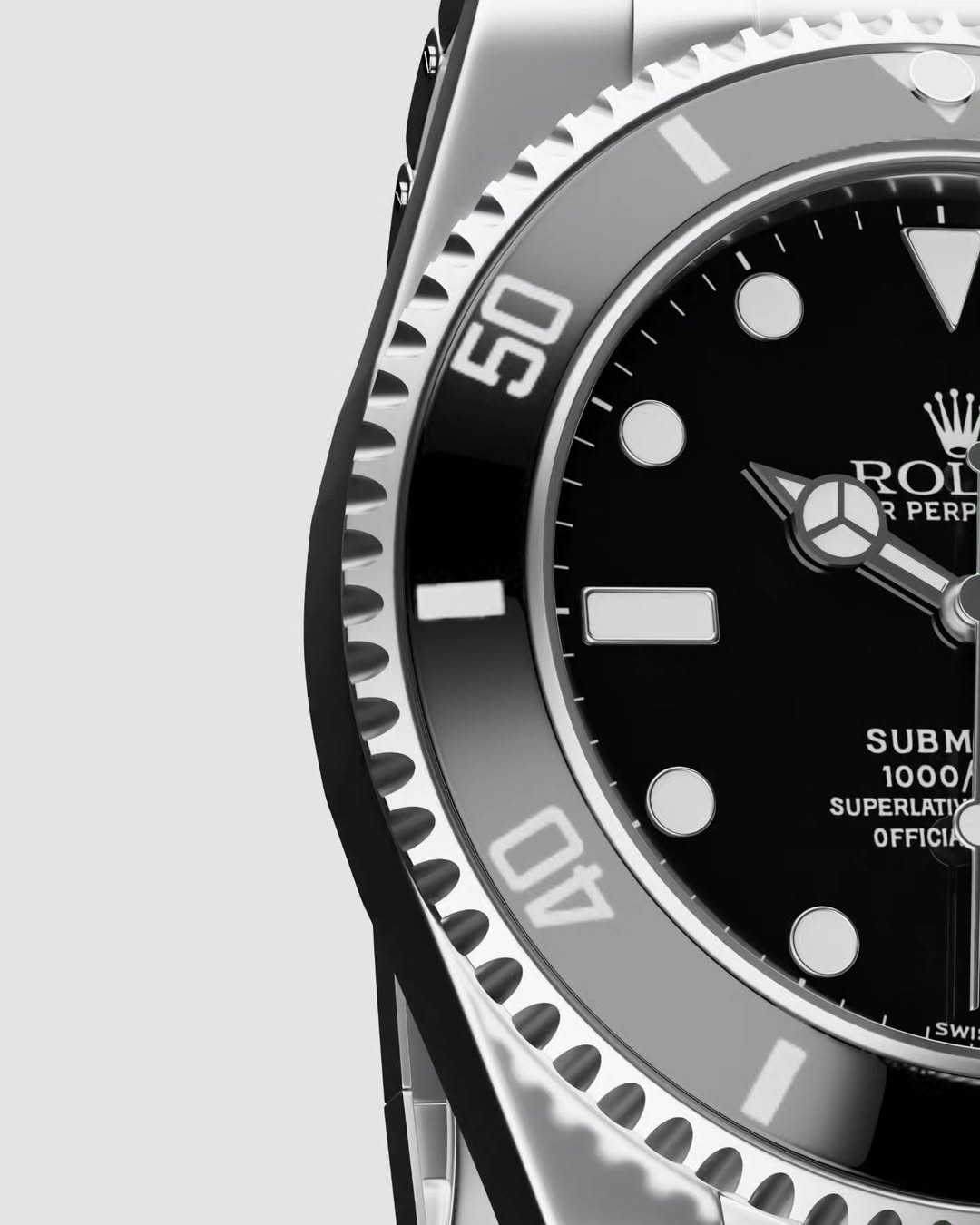
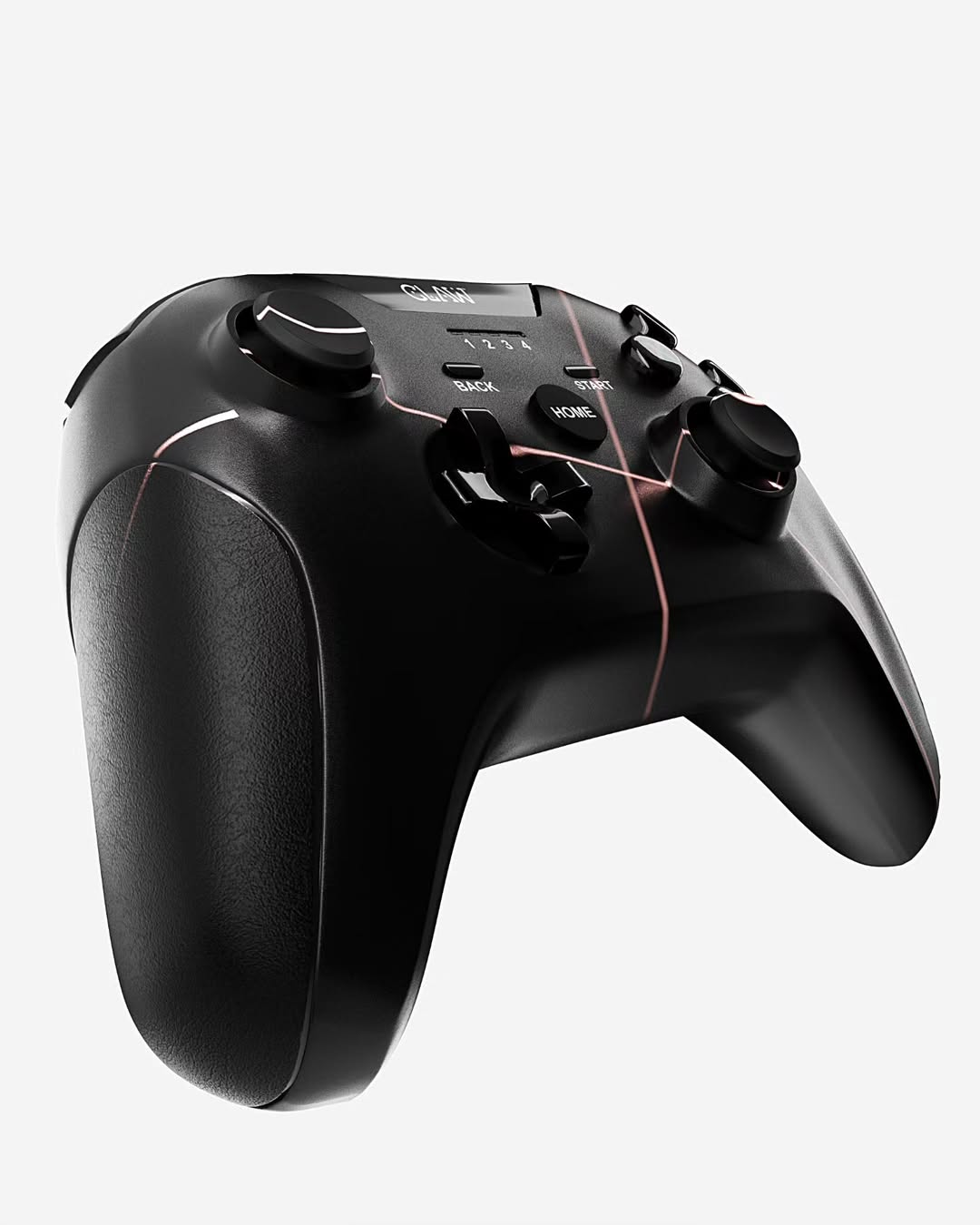
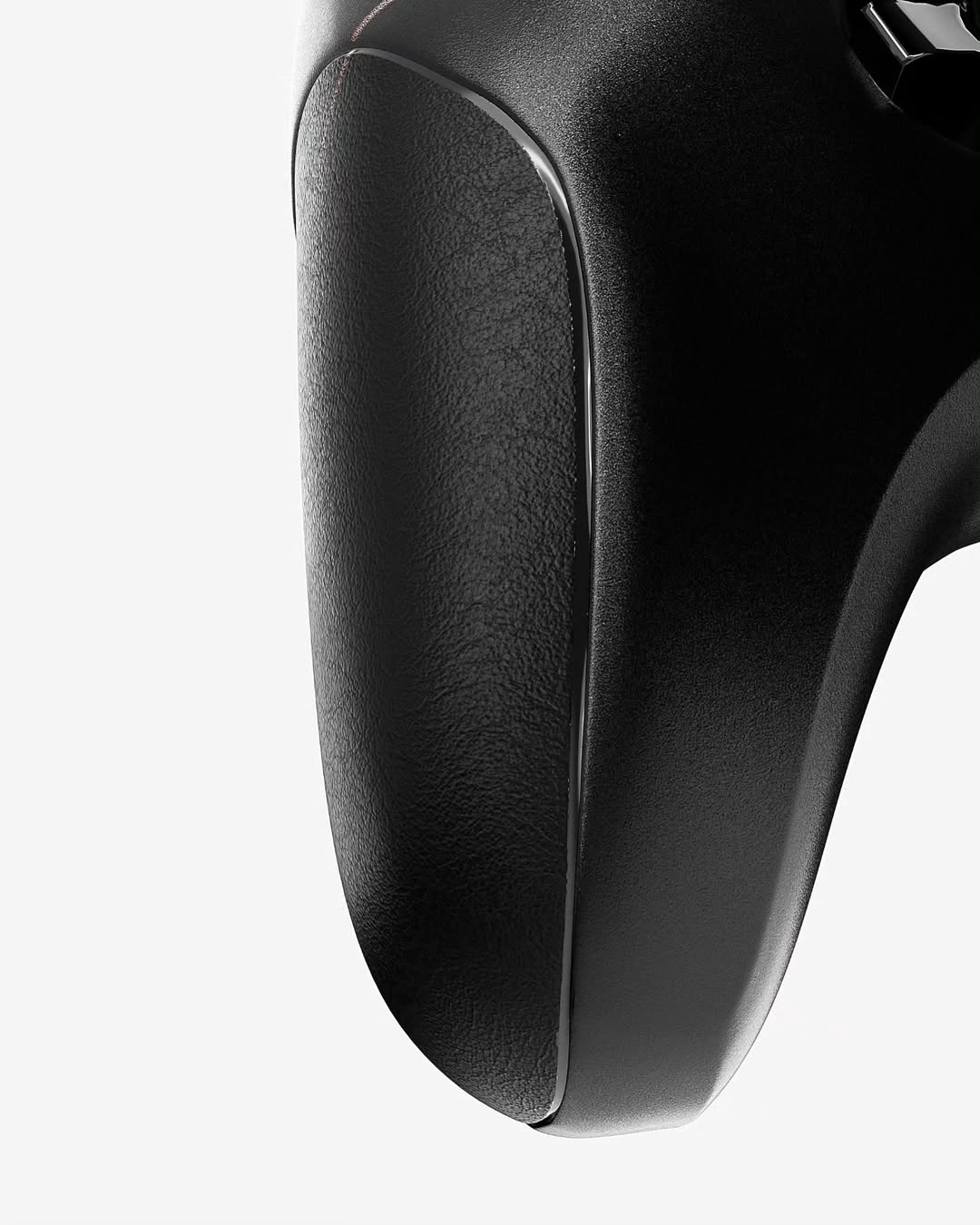
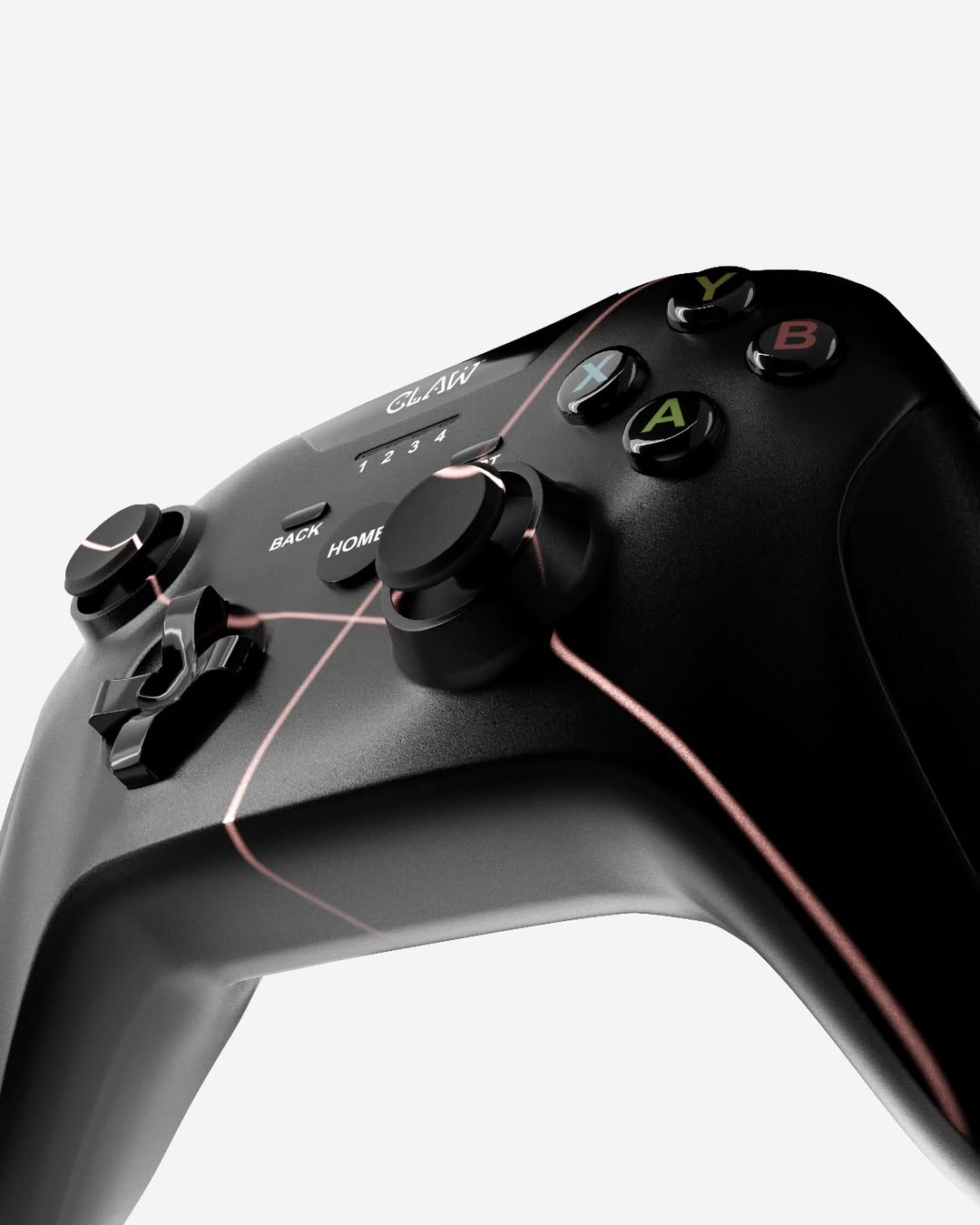
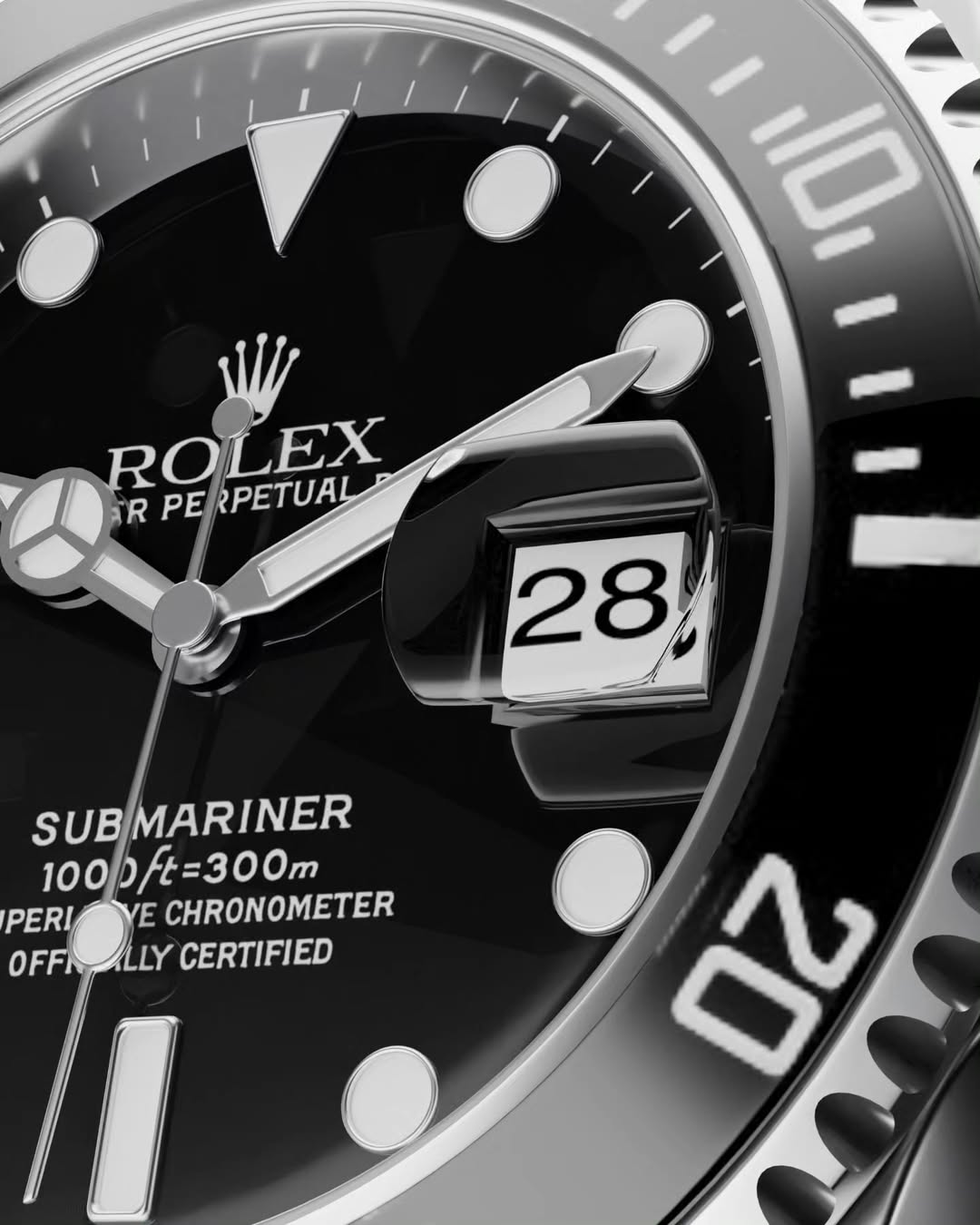
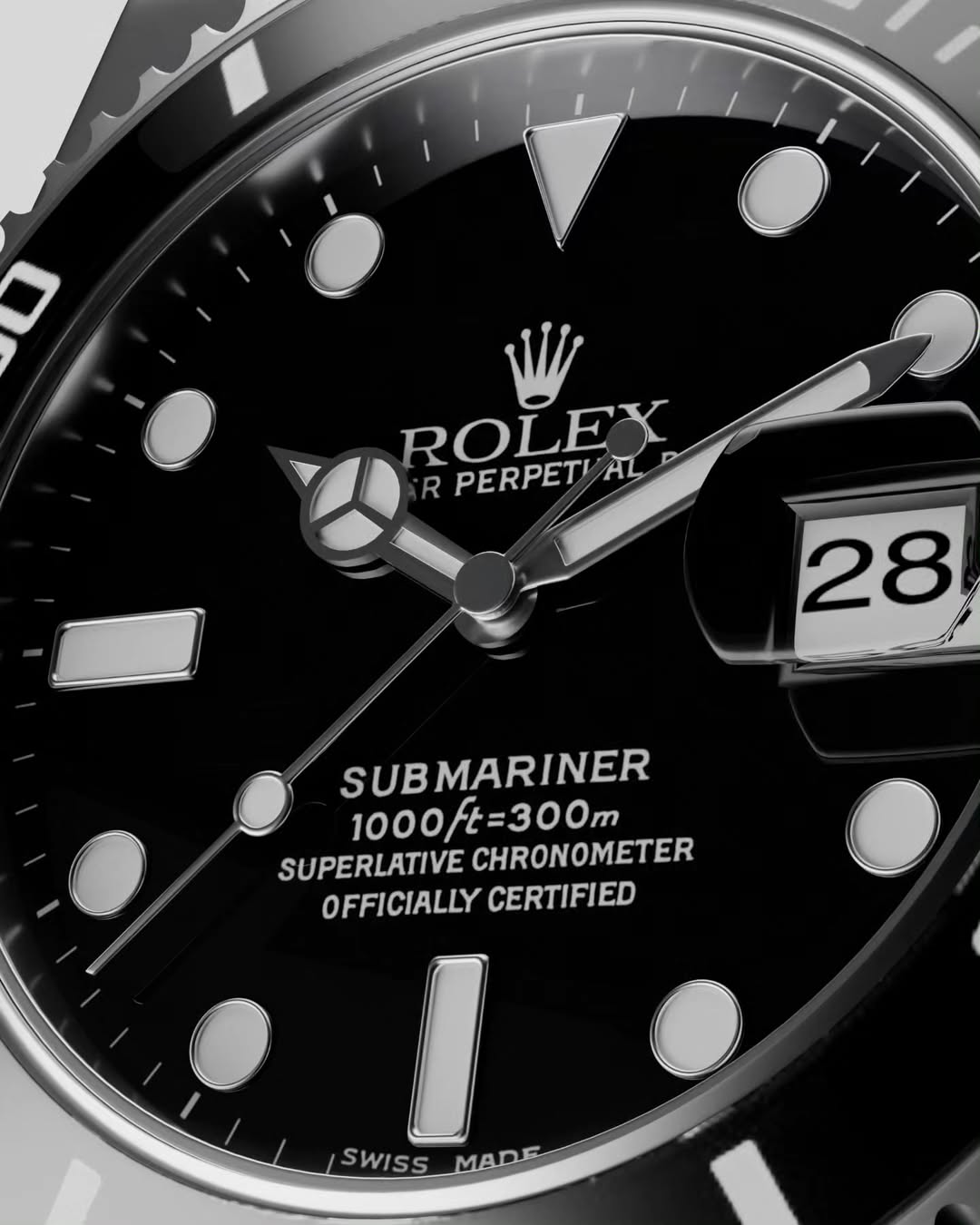
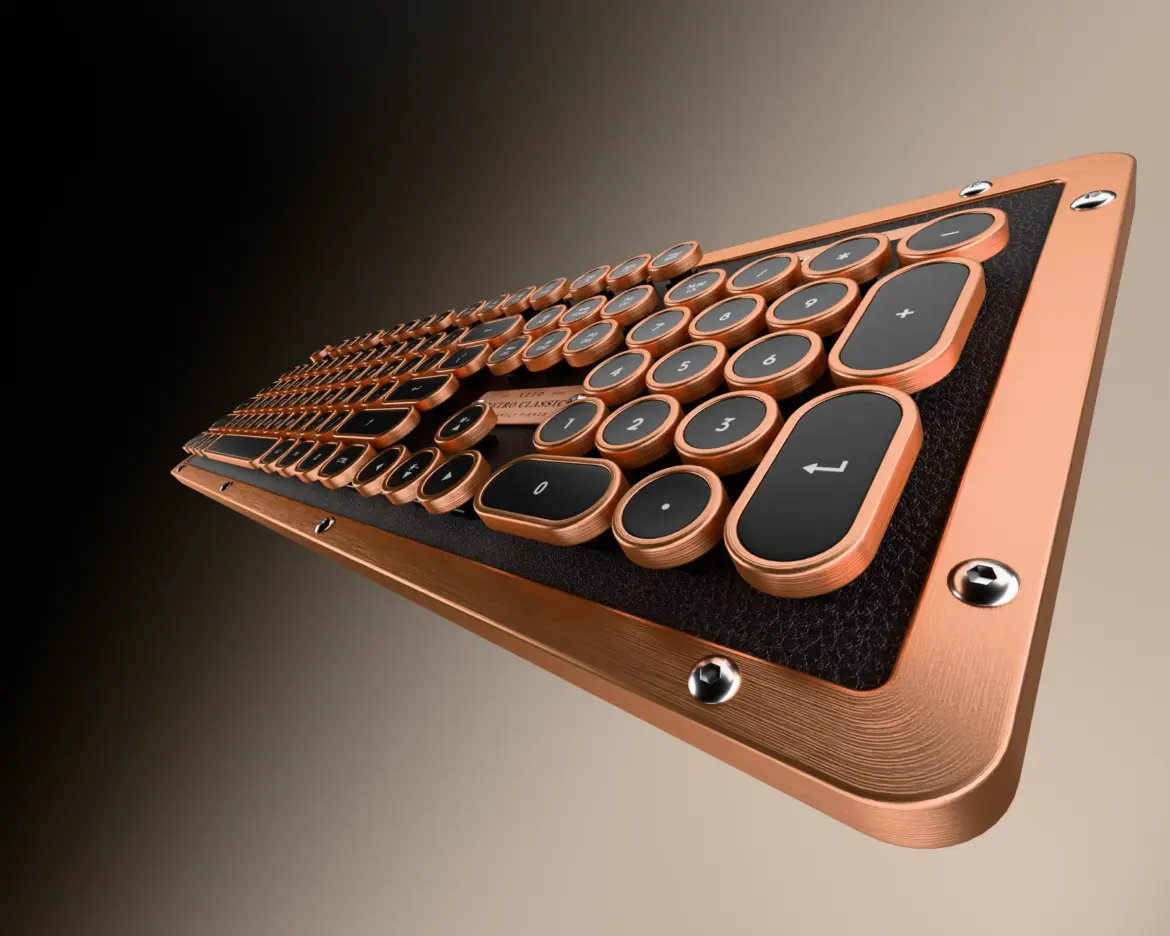
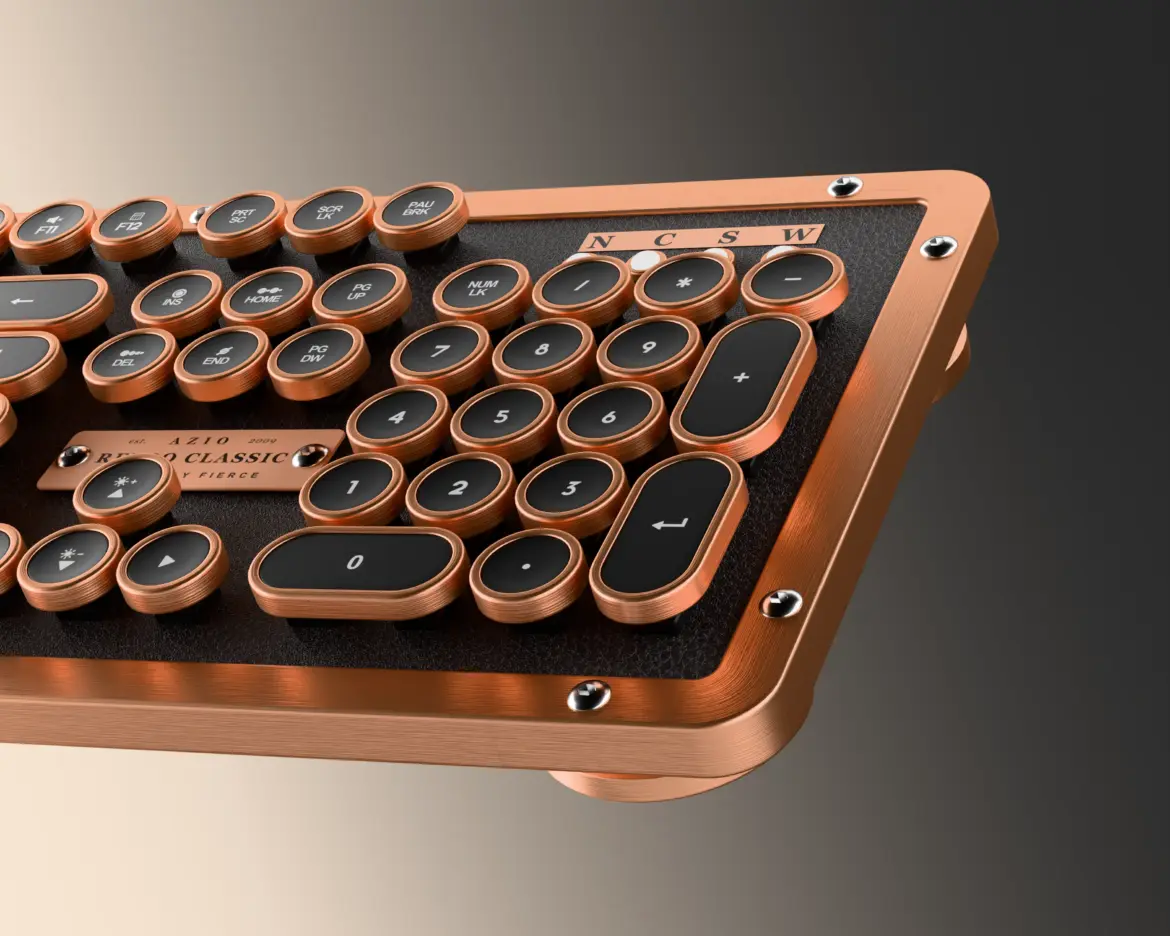
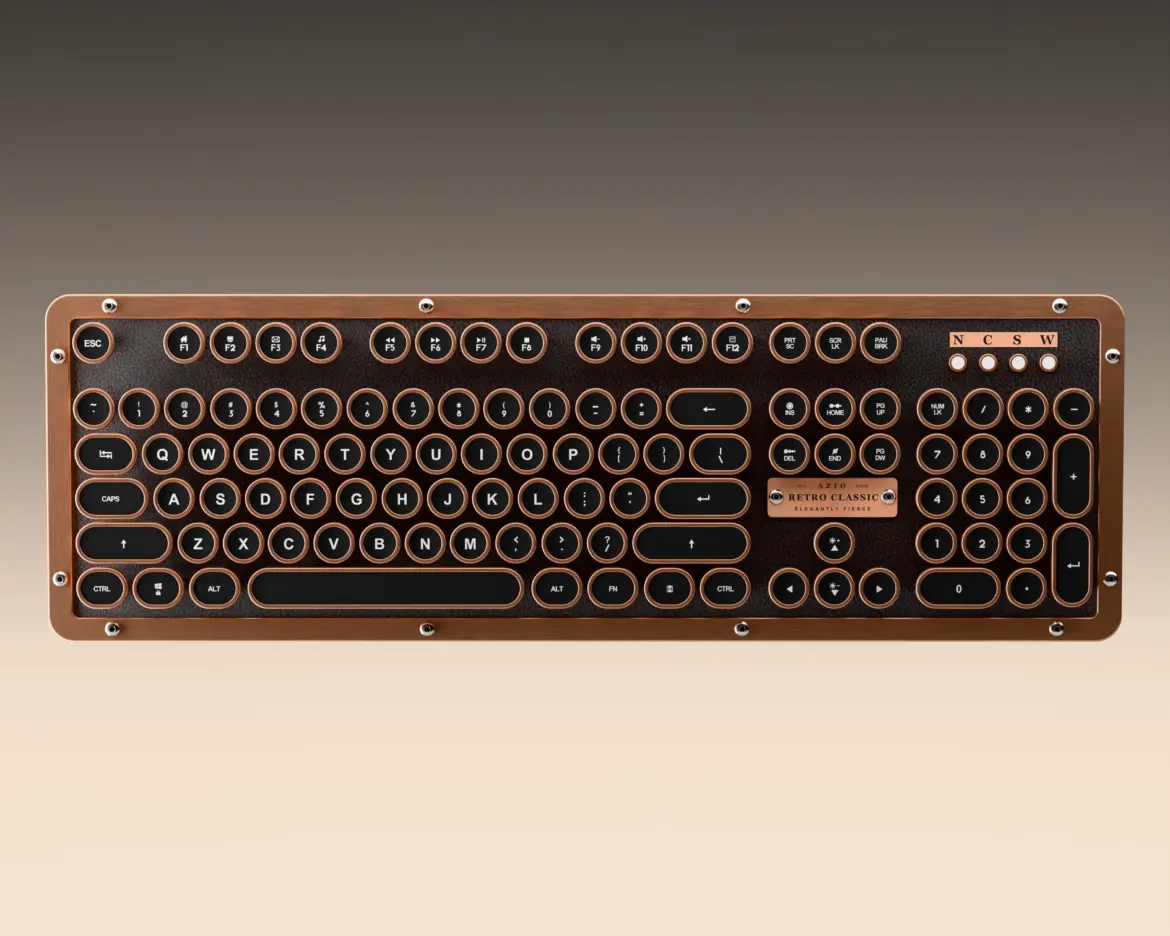
This is why 3D content creation for ecommerce has become an increasingly useful approach for brands that need more than conventional product photography.
Instead of creating one static image and using it everywhere, brands can build a digital product asset that can generate renders, videos, animations, interactive 3D models, advertisements, and social media content. The result is a more flexible product-content system that can support the entire ecommerce journey.
At VNS Creatives, we create product-focused CGI, animation, and visual content designed around how products are actually marketed online. Our work in 3D product rendering shows how digital product assets can be developed for high-quality ecommerce and advertising visuals.
What Is 3D Content Creation for Ecommerce?
3D content creation for ecommerce is the process of creating digital three-dimensional representations of products and turning those assets into visual content for online stores and marketing channels.
The output does not have to be limited to a single animation.
A single 3D product asset can potentially be used to create:
- Ecommerce product renders
- 360-degree product views
- Product videos
- 3D models for interactive viewers
- Product demonstrations
- Social media advertisements
- Website hero animations
- Digital marketing campaigns
- Product launch videos
- Exploded product views
- Feature demonstrations
- Multiple product variations
This makes 3D particularly valuable for brands with products that need to appear consistently across many digital touchpoints.
Shopify currently supports images, videos, and 3D models as product media, and explains that 3D models can help customers understand a product’s size, function, and details.
The important distinction is that 3D content creation for ecommerce is not simply about producing attractive CGI. It is about building product assets that can serve a commercial purpose.
Why Is Ecommerce Moving Beyond Static Product Images?
Traditional product photography remains one of the most important forms of ecommerce content. Customers need accurate images to understand the product they are considering.
However, an image only shows one particular viewpoint.
A 3D model can allow customers to explore a product from different angles, while animation can demonstrate movement and functionality. Shopify’s current 3D ecommerce guidance describes experiences where shoppers can rotate and zoom products and, in some cases, place products into their physical environment using augmented reality.
This creates an opportunity for brands to think about product content differently.
Instead of asking:
“How many product photographs do we need?”
the question becomes:
“What visual information does the customer need before making a purchase?”
That change in thinking is at the centre of effective 3D content creation for ecommerce.
How Does 3D Product Content Improve an Ecommerce Product Page?
A product page has one fundamental job: give customers enough information and confidence to make a purchasing decision.
High-quality images help. Product descriptions help. Reviews help. Video can help explain how something works.
Interactive 3D can add another layer.
A customer looking at a watch, for example, can inspect the case, dial, strap, crown, and finishing from different angles. A furniture customer can understand dimensions and proportions. An electronics customer can see how different components fit together.
Shopify specifically notes that 3D models can provide customers with a better sense of product size, scale, and detail.
For brands, this means ecommerce content can become more informative without requiring a completely different physical production for every viewpoint.
3D Product Content Creation for Ecommerce vs Traditional Photography
The goal is not necessarily to replace photography.
Instead, brands can combine different visual formats according to what each one communicates best.
Photography is particularly useful when a brand wants authentic physical imagery, lifestyle scenes, people using a product, or highly specific real-world environments.
3D is particularly useful when a brand needs precise control over the product, lighting, camera, environment, materials, or movement.
Our article on how product photography is changing explores the evolving role of product imagery, while our cosmetic photography resource provides a more specific look at visual presentation for beauty products.
A sophisticated ecommerce strategy can therefore use both.
For example:
Photography: accurate product gallery images.
3D rendering: premium hero visuals.
3D animation: product demonstration.
Interactive 3D: customer exploration.
Short-form video: social media advertising.
The different formats work together rather than competing with each other.
How Can 3D Content Creation for Ecommerce Support Product Marketing?
Modern 3D product marketing often extends beyond the ecommerce website.
A product might be launched simultaneously through Instagram, YouTube, paid advertising, email marketing, a website, an online marketplace, and physical retail displays.
Producing each piece of content independently can become expensive and inconsistent.
A 3D workflow can instead create a central digital product asset and use it as the foundation for multiple marketing outputs.
For example, a brand could commission a hero animation and then extract several shorter sequences from the same production:
- A five-second product reveal
- A ten-second paid advertisement
- A vertical social media video
- A website banner animation
- A product-page demonstration
- A static hero render
- A close-up detail render
This is where 3D product animations become especially valuable.
Our 3D animation product guide explores the broader role of product animation, while the current approach focuses specifically on how those assets can fit into an ecommerce content ecosystem.
What Is 3D Content Distribution and Why Does It Matter?
Creating content is only half of an ecommerce campaign.
The other half is distribution.
3D content distribution means planning how the visual assets created from a 3D production will be used across different channels.
A single campaign may require different formats for:
- Ecommerce product pages
- Google Shopping and search experiences
- YouTube
- TikTok
- Paid social advertisements
- Email campaigns
- Landing pages
- Digital displays
- Online marketplaces
Google explains that ecommerce content can appear across several Google surfaces, including Search, Google Images, and Google Lens.
This makes the format and quality of product content increasingly important.
Rather than producing one large video and stopping there, brands can plan a complete content distribution strategy before production begins.
That allows the 3D production team to consider aspect ratios, camera compositions, durations, product crops, still-image requirements, and interactive assets from the beginning.
Can 3D Product Animation Improve Ecommerce Storytelling?
Yes—but only when animation is used to communicate something.
A common mistake in ecommerce animation is creating a product that simply rotates against a background.
Although this can be visually clean, it does not necessarily communicate why the product matters.
A stronger 3D product animation gives every movement a purpose.
A skincare bottle could open to reveal its packaging architecture.
A technical device could separate into components to explain construction.
A watch could transition through macro shots to highlight finishing.
A cosmetic product could move through a visually designed environment that reinforces its brand positioning.
Our Oud Beauty 3D animation demonstrates how a beauty product can become the centre of a premium visual sequence, while the SheaBouba 3D animation shows another approach to beauty-focused product storytelling.
The objective is not movement for movement’s sake.
The objective is to make the product easier to understand and remember.
3D CGI Product Animation for Ecommerce Advertising
3D CGI product animation can be particularly effective for paid advertising because it allows brands to create visually distinctive product sequences without relying entirely on physical locations or sets.
A digital environment can be designed specifically around the product.
Lighting can be adjusted precisely. Camera movements can be repeated. Materials can be controlled. Product variations can be introduced without necessarily rebuilding an entire physical shoot.
For a consumer brand, this can make it easier to develop campaign variations.
Our Standard Vape commercial is an example of product-focused commercial production, while Trichome demonstrates another direction for creating commercial product content.
For brands that need 3D animation TV commercial production, the same principles can scale into larger advertising campaigns where product presentation needs to coexist with a strong narrative or visual concept.
How Can Ecommerce Brands Use 3D Product Animations?
There are several ways ecommerce brands can incorporate 3D product animations into their customer journey.
Product Demonstrations
Animation can demonstrate how a product works without requiring a live-action demonstration.
Product Feature Videos
Individual features can be isolated and visualised through close-ups or animated callouts.
Product Launches
A new product can be revealed through a cinematic sequence before it becomes widely available.
Social Advertising
Short animations can create attention-grabbing visual hooks for digital campaigns.
Website Hero Content
A subtle product animation can create movement on a landing page without requiring a conventional video shoot.
Product Explainers
Complex products can be broken down visually so customers can understand their construction or functionality.
These applications make 3D animation for digital marketing particularly relevant to ecommerce brands that need content beyond their product gallery.
What Role Does 3D Product Video Production Play?
3D product video production combines the technical aspects of 3D with the storytelling requirements of video.
The process can involve modelling, texturing, lighting, animation, camera design, rendering, compositing, sound design, and editing.
However, not every ecommerce brand needs the same level of production.
A simple product might need a clean ten-second animation.
A technical product might need an exploded-view demonstration.
A luxury product might require detailed materials and cinematic lighting.
A major product launch might need a complete commercial.
The production should therefore begin with the intended application rather than simply deciding to “make a 3D video.”
Our CGI product animation resource explores this production approach in greater detail.
How 3D Content Creation Helps Ecommerce Brands Create More Variations
One of the biggest advantages of digital product assets is flexibility.
Imagine that a brand launches five variations of the same product.
With a conventional production, each variation may require additional photography or video.
With a carefully constructed 3D workflow, the digital product asset can potentially be adapted for different colours, materials, finishes, packaging versions, or configurations.
This can be particularly useful for ecommerce brands that frequently update their catalogues.
It also connects 3D content creation for ecommerce with scalability.
Instead of treating every product visual as a completely separate project, brands can develop a repeatable visual system.
That system can include consistent lighting, camera language, environments, materials, backgrounds, animation styles, and output specifications.
From Rolex Product Photography to Digital Product Experiences
Luxury products provide an interesting example of why control matters.
Consider Rolex product photography.
A luxury watch requires careful handling of reflections, metallic surfaces, glass, polished components, dial details, and finishing. Every highlight can affect how premium the product appears.
3D production provides another method for controlling these visual variables.
The goal is not to imitate luxury photography blindly. Instead, CGI can extend the possibilities by introducing camera movements, macro transitions, impossible angles, or environments that would be difficult to produce physically.
This same approach can be applied to jewellery, cosmetics, electronics, fragrances, automotive accessories, and premium consumer goods.
Ecommerce 3D Content Can Go Beyond Video
When people hear 3D content creation for ecommerce, they often think only about animation.
But the wider ecosystem includes interactive product models.
A customer can rotate a product, zoom into details, and sometimes view it in their own environment through AR.
Shopify currently supports GLB and USDZ 3D model formats and provides tools for displaying 3D models within supported storefront themes.
This means brands can consider several layers of 3D content:
Layer 1: 3D product renders.
Layer 2: 3D product animations.
Layer 3: Interactive 3D models.
Layer 4: AR experiences.
The appropriate level depends on the product, platform, audience, and campaign objectives.
How Does 3D Ecommerce Content Support Search and Product Discovery?
Visual content is also connected to the broader ecommerce discovery process.
Google provides dedicated guidance for ecommerce websites and explains that product information can appear across Search, Images, Lens, and other Google surfaces.
Google also recommends relevant structured data for ecommerce websites, including Product and ProductGroup data, and supports VideoObject markup for appropriate video content.
This does not mean that simply adding a 3D animation will automatically improve search rankings.
Instead, brands should think about the complete product page:
- Useful product information
- High-quality imagery
- Appropriate video
- Structured product data
- Descriptive content
- Strong technical performance
- Clear purchasing information
- Relevant visual assets
3D content becomes one component of a larger ecommerce experience.
Examples of 3D Ecommerce Product Content
Different products require different visual strategies.
For beauty brands, the emphasis might be packaging, ingredients, texture, premium materials, and atmosphere.
The Bud Naked Beauty 3D animation provides an example of product-focused beauty content, while ORL Organic Oral Care demonstrates another product category where CGI can support brand communication.
For premium and atmospheric product presentation, Moon Dust demonstrates how a product can be placed within a digitally constructed visual environment.
For commercial product communication, Cregaetine shows how product content can be developed into a commercial video format.
For skincare brands, Michael Taylor Skincare provides another example of how product visuals can be designed around a beauty-focused identity.
Brands looking for more examples can explore the VNS Creatives product animation portfolio to see different approaches to product-focused CGI and animation.
Why Choose a Creative Agency for Ecommerce 3D Content?
Producing effective ecommerce CGI requires more than knowing how to create a 3D model.
The production needs to understand products, materials, lighting, camera composition, animation, advertising, ecommerce requirements, and brand identity.
This is where a creative agency can provide value.
Instead of treating modelling, animation, rendering, and marketing as completely separate activities, an integrated creative workflow can build the content around the intended customer experience.
Our creative agency in Mumbai resource explores how creative production can support businesses looking for professional visual communication.
The same philosophy applies to ecommerce.
A good 3D asset should not only look realistic.
It should have a job.
It might need to explain.
It might need to attract.
It might need to demonstrate.
It might need to differentiate.
Or it might need to make a customer confident enough to click “Add to Cart.”
Planning a 3D Ecommerce Content Production
Before beginning a project, brands should define what they actually need.
A useful production plan can answer several questions:
Where will the content appear?
Website, marketplace, social media, paid advertising, email, or multiple channels?
What does the customer need to understand?
Appearance, functionality, materials, size, mechanism, or benefits?
What outputs are required?
Still renders, animation, interactive 3D, vertical video, horizontal video, or all of them?
How many products are involved?
One hero product or an entire catalogue?
Will the content need future variations?
If products change colours, packaging, or configurations, the production should account for this from the beginning.
This planning stage can make 3D product animation production significantly more efficient because the team knows what the final digital asset needs to accomplish.
The Future of 3D Content Creation for Ecommerce
Ecommerce is becoming increasingly visual and interactive.
Customers are no longer limited to looking at a handful of static product photographs. Depending on the platform and implementation, they can watch videos, interact with 3D models, rotate products, zoom into details, and use augmented reality to understand products in context.
Shopify’s 2026 guidance on 3D ecommerce highlights the growing use of 3D models, AR, 360-degree product views, and configurators as ecommerce experiences.
This creates a broader opportunity for brands.
The future is not necessarily about choosing between photography, video, or 3D.
It is about combining these formats into a product-content system that gives customers the information they need at different stages of the buying journey.
That is the real potential of 3D content creation for ecommerce.
Frequently Asked Questions
1. Is 3D content creation for ecommerce only useful for large brands?
No. The value depends more on the product and its content requirements than simply the size of the company. A smaller ecommerce brand with a visually complex or premium product may benefit significantly from 3D renders or animation. The key is choosing the right outputs rather than producing unnecessarily complicated content.
2. Can the same 3D asset be used for ecommerce, social media, and advertising?
Yes. A properly prepared 3D product asset can serve as the foundation for multiple content formats. From ecommerce renders and product-page videos to 3D animation for marketing, paid advertising, social media clips, and other campaign assets, the same underlying product representation can often be adapted for different purposes.
Conclusion
3D content creation for ecommerce is becoming more than a way to make products look visually impressive.
It provides brands with a flexible way to build product experiences across ecommerce websites, advertising campaigns, social media, and digital marketing.
From 3D product animation and 3D product animations to 3D CGI product animation, 3D product marketing, 3D product video production, and interactive product models, the possibilities depend on what customers need to see and understand before making a purchase.
The biggest advantage is flexibility.
One well-built digital product asset can become a collection of visual experiences rather than a single piece of content.
For ecommerce brands, that means better opportunities to demonstrate products, communicate details, build visual consistency, and create marketing content that can travel across multiple channels.
In a marketplace where customers cannot physically pick up the product, 3D content creation for ecommerce can help bring more of that product experience to the screen.