Television advertising has always been about making an impression in a very short amount of time. A commercial may have only a few seconds to introduce a product, establish its identity, communicate a benefit, and leave the audience with something memorable.
For modern product brands, 3D animation TV commercial production offers a way to approach that challenge without being limited entirely by physical locations, sets, cameras, or conventional product-shooting techniques.
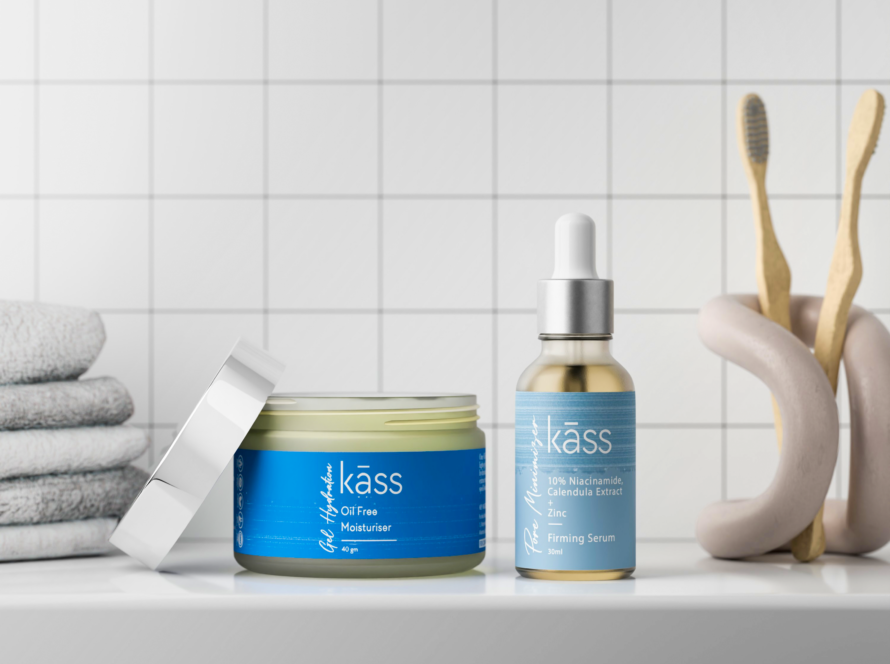
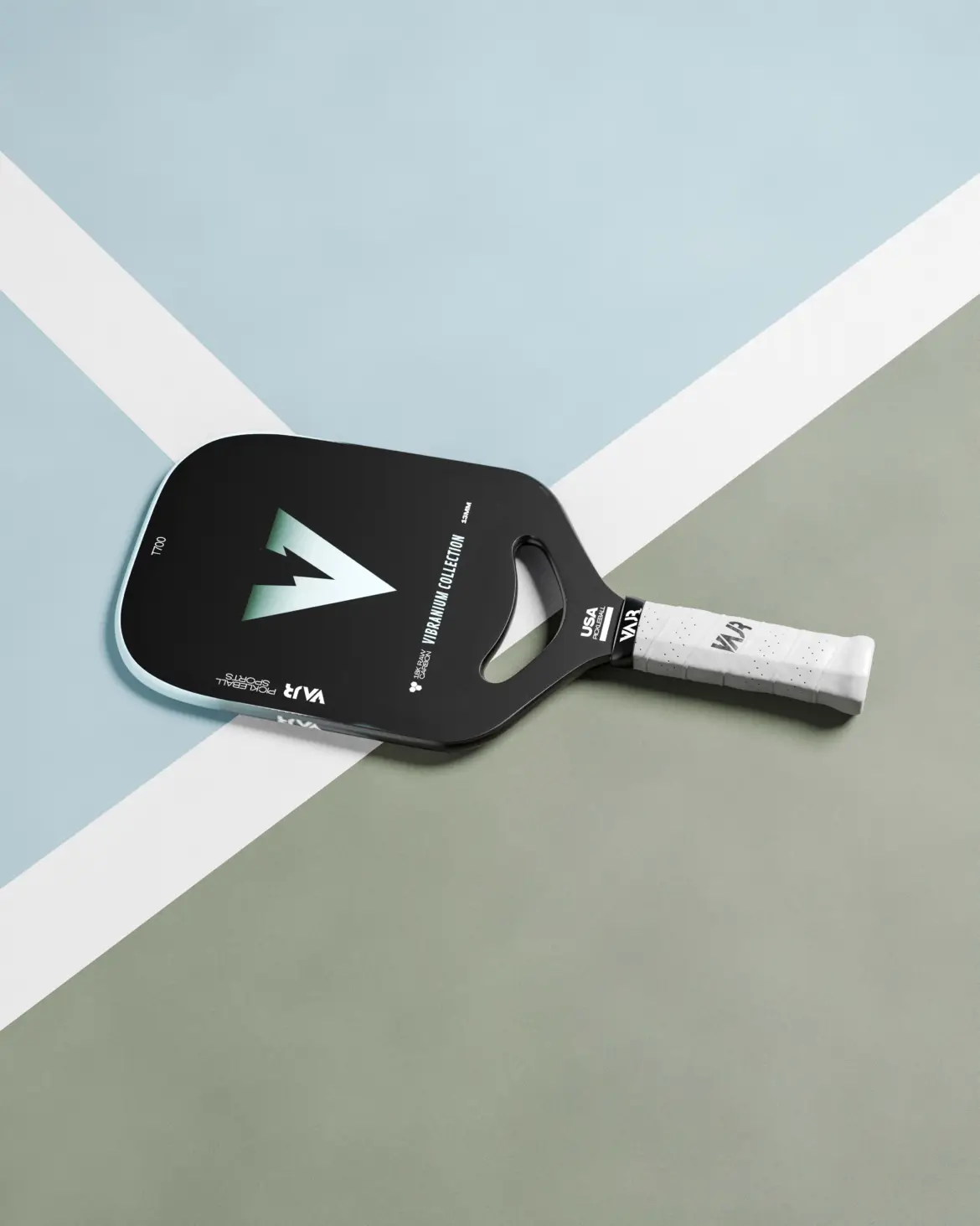
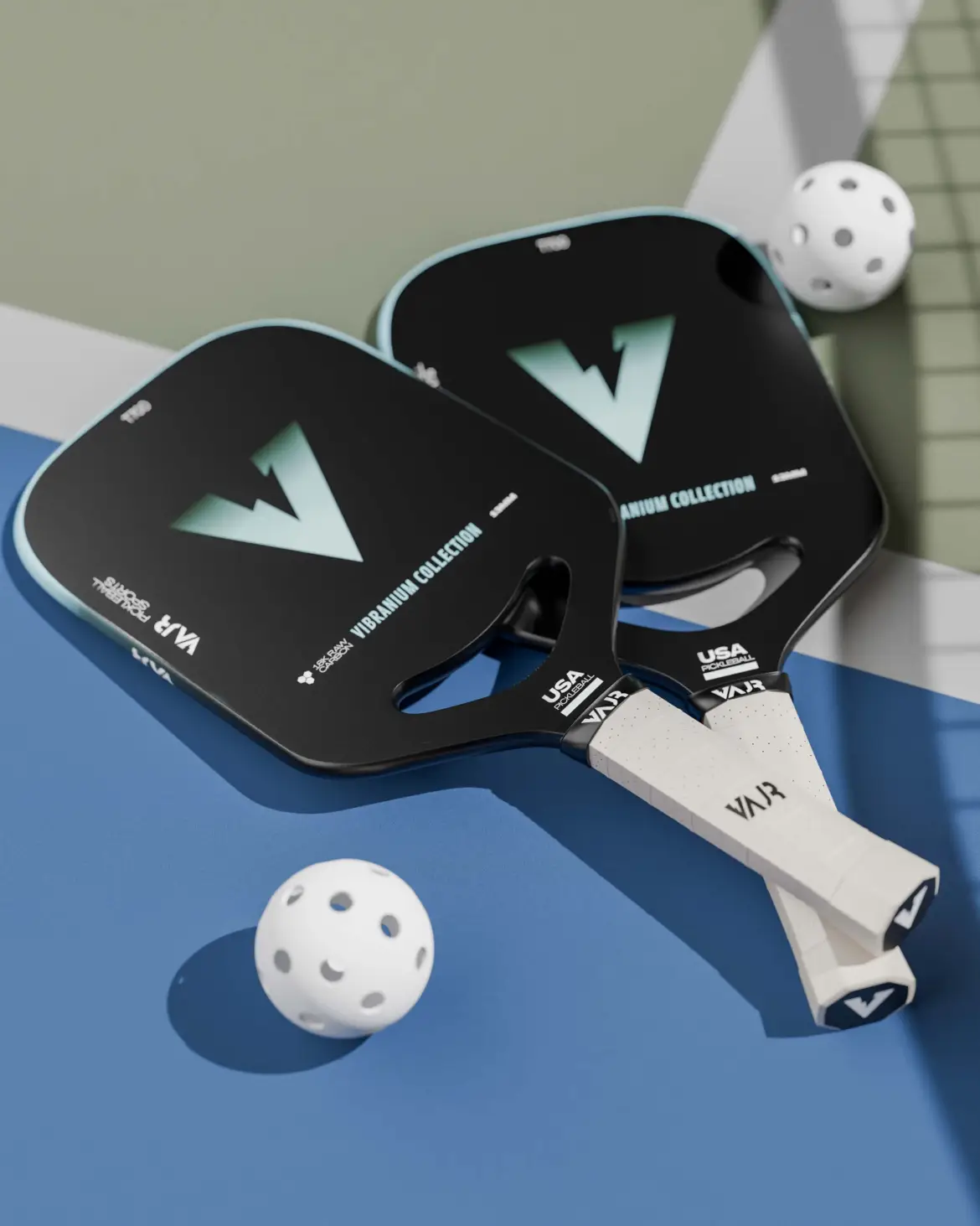
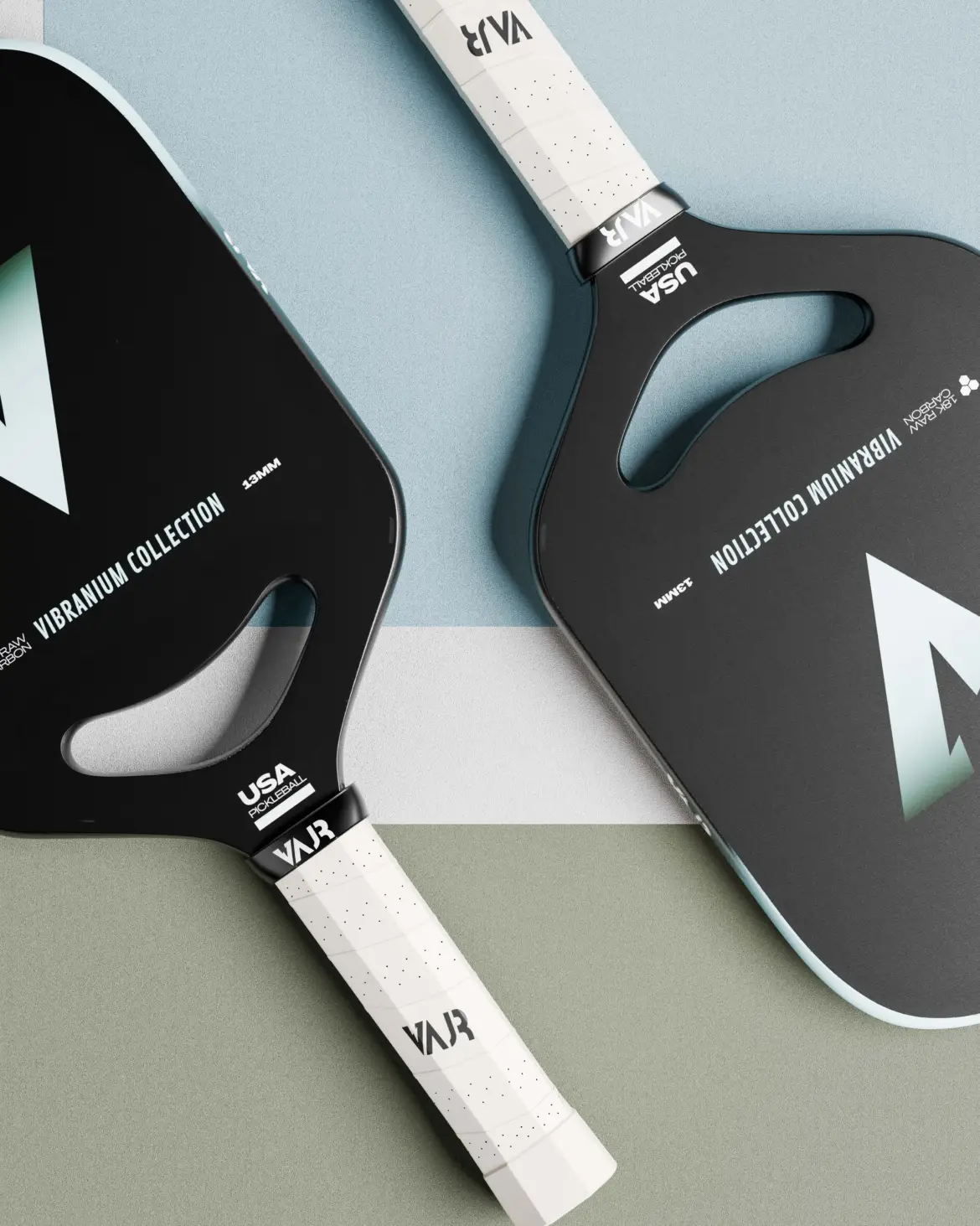
With CGI, a product can be placed inside an environment that does not physically exist. A camera can move through impossible angles. Packaging can open, transform, or separate into components. Materials, reflections, lighting, and atmosphere can all be controlled digitally.
At VNS Creatives, product-focused CGI and animation are developed with commercial communication in mind. Our work across product CGI and 3D animation for products demonstrates how digital production can turn a product into the centre of a visual advertising experience.
Why Are Brands Choosing 3D Animation for Television Commercials?
Traditional live-action production remains extremely effective, but it also comes with physical limitations.
A location needs to be found. A set may need to be constructed. Lighting equipment has to be arranged. Products have to be physically positioned. Special effects have to be designed around what can realistically be captured by a camera.
3D animation TV commercial production changes the starting point.
Instead of asking what can be filmed, the creative team can ask what should the audience see.
A cosmetic bottle could emerge from a flowing liquid environment. A smartwatch could break apart into its individual components. A fragrance bottle could appear in a surreal landscape. A technical product could be shown from inside.
This flexibility allows the advertising concept to be designed around the product rather than around the restrictions of a physical shoot.
Adobe’s guidance on commercial production also emphasizes defining the audience, message, placement, duration, aspect ratios, and deliverables during the planning process. Adobe’s commercial production guide
What Makes 3D Animation Different From a Traditional Product Commercial?
A traditional product commercial often depends on filming the physical object.
3D product animation creates a digital representation of that object and allows the production team to control its presentation from virtually every angle.
This can be especially useful when the product itself needs to be the visual hero.
Instead of showing a bottle sitting on a table, the camera can travel around it, move extremely close to its surface, pass through an environment, reveal the packaging mechanism, and finish with a carefully designed product shot.
The difference is not simply that the product is animated.
The difference is that the entire visual experience can be constructed around the product.
This makes 3D product animations useful for commercials where product appearance, functionality, or transformation needs to be communicated quickly.
Our CGI product animation article explores how CGI can be used to create these kinds of product-focused visual experiences.
How Does Storytelling Influence 3D Commercial Production?
A visually impressive animation is not automatically a good advertisement.
A successful commercial needs an idea.
That idea could be about luxury, performance, innovation, simplicity, freshness, technology, sustainability, or another characteristic that defines the product.
The animation should then reinforce that idea.
For example, a premium skincare product could be introduced through slow macro camera movements, controlled reflections, and an elegant environment.
A performance-oriented product could use faster movements, dynamic transitions, and dramatic lighting.
A technical product could use exploded views to reveal how its components work together.
The storytelling therefore determines what the CGI needs to accomplish.
This is why 3D product animation production should begin with the commercial concept rather than simply starting with modelling and animation.
How Does 3D CGI Product Animation Work for TV Advertising?
3D CGI product animation combines several stages of digital production.
Product Modelling
The product is created or prepared as a digital 3D model. Accuracy is especially important for products with complex geometry, packaging details, or small components.
Materials and Textures
Different materials require different visual characteristics. Glass, metal, plastic, paper, liquid, fabric, and other surfaces all interact with light differently.
Lighting
Lighting establishes the mood and determines how the audience sees the product.
Camera Design
The virtual camera can be positioned anywhere within the scene. Macro shots, tracking movements, rotations, dramatic push-ins, and impossible perspectives can all be created digitally.
Animation
Product movement, camera movement, environmental effects, transitions, and other elements are animated according to the storyboard.
Rendering and Compositing
The final frames are rendered and combined with effects, editing, sound, typography, and other commercial elements.
Adobe describes CGI production as involving processes such as modelling, texturing, animation, lighting, rendering, and visual effects. Adobe’s CGI animation guide
Why Can 3D Animation Make Product Advertising More Flexible?
One of the strongest advantages of CGI is control.
A physical camera can only move through the real space available to it. A virtual camera can move through a digitally constructed environment without those physical restrictions.
The product can float.
It can rotate.
It can separate.
It can transform.
It can appear microscopic and enormous within the same commercial.
It can move through environments that would be difficult or expensive to build physically.
This makes 3D animation for marketing particularly valuable for products where the visual concept is an important part of the campaign.
Instead of simply recording the product, the production can create a visual world around it.
How Can 3D Animation for Digital Marketing Extend a TV Commercial?
A television commercial does not have to be the end of the production.
The same CGI assets can potentially be adapted into multiple digital deliverables.
For example, a 30-second commercial could be transformed into:
- A 15-second social advertisement
- A six-second bumper
- A vertical video
- A website hero animation
- A product-page video
- A paid social media creative
- A digital display advertisement
- A product-launch teaser
This is where 3D animation for digital marketing becomes particularly useful.
The production team can design the original commercial with future adaptations in mind rather than creating a single video that works only in one format.
Why Is 3D Content Distribution Important for Commercial Campaigns?
Modern advertising rarely exists on only one screen.
A campaign might appear on television, YouTube, Instagram, websites, digital displays, and paid advertising platforms.
This makes 3D content distribution an important consideration before production begins.
Different platforms can require different:
- Aspect ratios
- Video durations
- Resolutions
- Crops
- Camera compositions
- Opening sequences
- Product placements
Planning these requirements early allows the animation to be designed for multiple outputs.
A widescreen TV commercial can potentially be adapted into vertical and square versions, provided the compositions were considered during the original production.
The result is a campaign where the visual identity remains consistent across different channels.
How Does 3D Content Creation for Ecommerce Connect With Television Advertising?
The relationship between television advertising and ecommerce is becoming increasingly important.
A viewer may see a commercial on television and then immediately search for the product online.
When that happens, the product experience should feel connected.
This is where 3D content creation for ecommerce can extend the value of a TV commercial.
The same digital product asset used for the advertisement can potentially generate:
- Ecommerce renders
- Product-page videos
- Interactive product models
- Social media content
- Product demonstrations
- Campaign stills
Our guide to 3D content creation for ecommerce explores how a single digital product asset can become part of a wider ecommerce content strategy.
This approach can help maintain visual consistency between the advertisement and the online store.
How Can 3D Product Marketing Communicate More Than Product Appearance?
3D product marketing is not limited to making a product look premium.
It can also explain what the product does.
A digital animation can reveal internal components, demonstrate movement, visualise functionality, or communicate a feature that cannot be easily captured through conventional photography.
Consider an electronic device.
A photograph can show its exterior.
An animation can show how its components fit together.
Consider a cosmetic product.
A photograph can show the packaging.
An animation can demonstrate the opening mechanism, reveal the product texture, and create an ingredient-inspired environment.
The CGI therefore becomes part of the product explanation.
When Should a Brand Choose 3D Product Animation Production?
Not every product requires a large CGI commercial.
However, 3D product animation production can be particularly valuable when a campaign requires:
- Impossible camera movements
- Complex product demonstrations
- Exploded product views
- Highly controlled lighting
- Macro product shots
- Digital environments
- Product transformations
- Multiple product variations
- Multiple advertising formats
It can also be useful when a brand wants to create a premium visual identity without constructing a large physical set.
The right approach depends on the product, audience, campaign objective, budget, and distribution requirements.
What Can Brands Learn From VNS Creatives’ 3D Product Animation Projects?
Different products require different visual approaches.
For premium beauty products, Oud Beauty’s 3D animation demonstrates how a product can become the focal point of a controlled digital environment.
The SheaBouba 3D animation provides another example of beauty-focused product storytelling.
For a different beauty direction, Bud Naked Beauty demonstrates how product presentation can be developed into a branded animation.
For oral-care products, ORL Organic Oral Care shows how CGI can support consumer product communication.
Moon Dust’s product animation demonstrates another atmospheric approach to presenting a product through a digitally constructed environment.
For a broader selection of work, the VNS Creatives product animation portfolio brings together different examples of product-focused animation.
How Can 3D Product Video Production Support Different Campaign Goals?
3D product video production can be developed around different objectives.
A launch campaign may need a dramatic reveal.
A performance campaign may need a product demonstration.
A luxury campaign may focus on materials, lighting, and craftsmanship.
An ecommerce campaign may focus on product details.
A social campaign may need a visually immediate opening.
The production process should therefore begin with the objective.
Once the purpose is clear, the storyboard, camera movements, animation style, lighting, environment, and final deliverables can all be designed around that objective.
Why Does Product Photography Still Matter Alongside 3D Animation?
The growth of CGI does not mean traditional product photography has become irrelevant.
Photography remains extremely useful for ecommerce galleries, catalogues, marketplaces, lifestyle campaigns, and situations where the physical product needs to be represented authentically.
For example, Rolex product photography requires exceptional attention to materials, reflections, finishing, composition, and detail.
The same principles apply to cosmetics, jewellery, watches, electronics, and other premium products.
Our article on product photography and how it is changing explores how product imagery continues to evolve, while our cosmetic photography article focuses specifically on visual presentation within the beauty category.
The strongest campaign may use photography and CGI together.
Photography can provide accurate still imagery.
CGI can provide movement and visual storytelling.
How Can 3D Animation TV Commercial Production Work Across Different Product Categories?
The flexibility of CGI means that it can be adapted to many different products.
Beauty and Skincare
Beauty products can benefit from premium lighting, detailed packaging shots, ingredient-inspired environments, and atmospheric transitions.
The Michael Taylor Skincare project demonstrates another example of product-focused beauty content.
Fragrance
Fragrance advertising often relies on emotion and atmosphere. CGI allows the environment to be constructed specifically around the identity of the product.
Consumer Technology
Technical products can use exploded views, internal animations, and precise feature demonstrations.
Wellness Products
CGI can create conceptual environments that communicate ingredients, performance, or product positioning.
Lifestyle Products
Products can be placed into stylised environments designed specifically around the brand.
Commercial Consumer Products
The Standard Vape commercial demonstrates how product-focused commercial visuals can be developed around a specific brand identity.
How Can One CGI Commercial Become Multiple Marketing Assets?
One of the biggest advantages of a carefully planned CGI production is that the final commercial does not have to be the only deliverable.
The underlying 3D product can potentially be used to generate:
- Hero renders
- Ecommerce images
- Product animations
- Social media clips
- Advertising variations
- Website visuals
- Product demonstrations
- Future campaign content
This makes 3D product video production particularly valuable for brands that expect ongoing content requirements.
Instead of producing every visual from scratch, the brand can build a reusable digital product asset.
What Other Commercial Product Projects Can Brands Explore?
VNS Creatives has developed product-focused commercial content across several categories.
The Trichome commercial demonstrates another commercial approach to product storytelling, while the Cregaetine commercial video shows how product presentation can be developed into a dedicated commercial format.
For beauty and premium product applications, Oud Beauty, SheaBouba, and Bud Naked Beauty provide different examples of CGI-driven product presentation.
These projects demonstrate that 3D animation TV commercial production does not have to follow one fixed visual style. The production can be shaped around the personality of the product and the campaign.
What Should Brands Look for in a 3D Animation Creative Agency?
Choosing a creative agency for CGI production should involve more than checking whether the renders look realistic.
The production partner should understand:
- Product presentation
- Commercial storytelling
- Camera composition
- Materials and lighting
- Animation
- Brand identity
- Advertising objectives
- Ecommerce applications
- Digital marketing
- Content distribution
The goal is to create a commercial that communicates something meaningful about the product.
Our creative agency in Mumbai resource explores the wider role of creative agencies in professional brand communication.
A technically impressive animation without a clear message may attract attention, but a commercially effective animation should also help the audience understand and remember the product.
What Makes a 3D Commercial Memorable?
A memorable commercial usually has a central visual idea.
It might be a product transformation.
A distinctive camera movement.
An unexpected environment.
A dramatic reveal.
A unique transition.
Or a simple visual metaphor.
The CGI should strengthen that idea rather than overwhelm it.
This is particularly important for 3D animation for marketing, where visual effects can easily become more prominent than the actual product message.
The best commercial animation uses visual creativity to make the product easier to remember.
How Should Brands Plan a 3D Animation TV Commercial Production Project?
Before production begins, brands should define the campaign objective and intended audience.
Then the production can establish:
- The central creative concept
- The commercial script
- The storyboard
- The product requirements
- The visual direction
- The required 3D assets
- The animation approach
- The final distribution formats
If ecommerce and digital marketing are part of the campaign, those requirements should be considered from the beginning.
This can make the production more efficient because the team knows whether the final assets need to work for television, social media, websites, ecommerce, or all of them.
Is 3D Animation Suitable for Short Television Commercials?
Yes. Short commercials can benefit from CGI because the production can be designed around precise visual moments rather than spending valuable runtime establishing physical locations or setups.
A five-, ten-, or fifteen-second commercial can focus immediately on the product, its key feature, or its most distinctive visual characteristic.
The shorter the runtime, the more important the storyboard becomes. Every camera movement and transition should contribute to the central message.
Can a 3D TV Commercial Also Be Used for Social Media and Ecommerce?
Yes. When digital distribution is considered during pre-production, the same 3D assets can potentially be adapted into social media videos, ecommerce content, website animations, paid advertisements, and campaign stills.
This is one of the strongest advantages of building a digital product asset instead of producing a commercial that exists only as a single finished video.
What Is the Future of 3D Animation TV Commercial Production?
The future of 3D animation TV commercial production is not simply about creating more complicated visual effects.
It is about creating more useful product content.
As advertising continues to move between television, streaming platforms, social media, websites, and ecommerce, brands need visual assets that can work across multiple environments.
A well-developed 3D product asset can support that requirement.
The same model can become a commercial.
The commercial can become social content.
The product can become ecommerce imagery.
The same assets can potentially support future campaigns.
This makes CGI more than an animation technique.
It becomes part of a brand’s broader visual content system.
Conclusion: Why Is 3D Animation Becoming an Important Tool for Product Advertising?
3D animation TV commercial production gives brands the freedom to create product advertising without being completely constrained by physical production.
It can create impossible environments, precise camera movements, detailed product demonstrations, controlled lighting, product transformations, and cinematic visual experiences.
But the real value comes from combining those capabilities with a clear commercial idea.
When 3D product animation, 3D CGI product animation, 3D product marketing, 3D animation for digital marketing, and 3D content distribution are planned together, a television commercial can become much more than a single advertisement.
It can become a reusable collection of visual assets for ecommerce, social media, websites, and future campaigns.
For brands looking to communicate their products through high-quality visual storytelling, the opportunity is not simply to make CGI look impressive.
It is to use CGI to make the product clearer, more memorable, and more commercially effective.