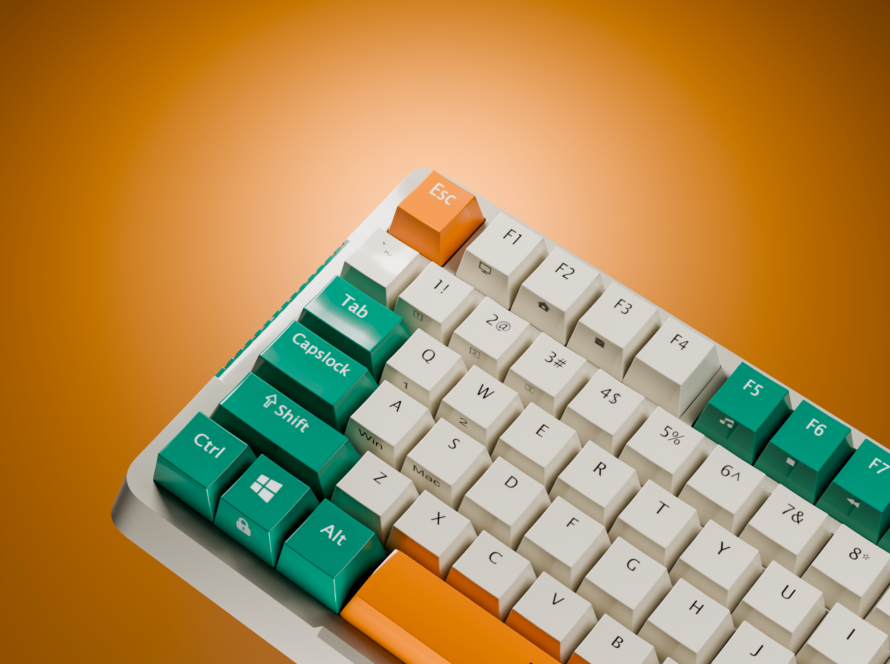
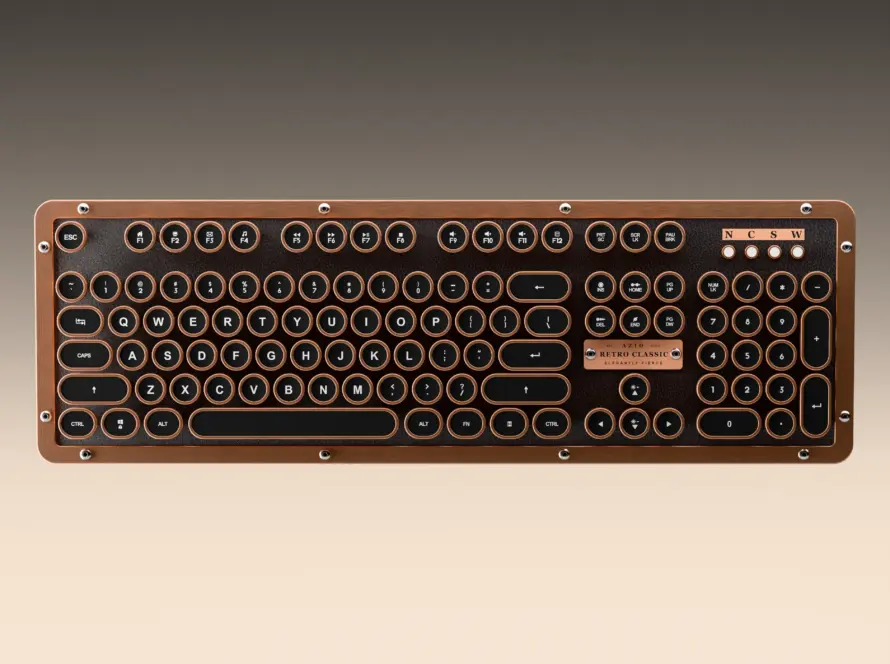
In a digital marketplace where customers often discover products through screens before they ever see them in person, the way a product is presented can influence whether someone keeps scrolling or takes a closer look. This is where 3D Animation Product content can give brands a significant creative advantage.
Instead of depending entirely on conventional photography or physical video shoots, brands can use computer-generated visuals to control the camera, lighting, materials, environments and product movement. A carefully produced 3D product animation can demonstrate how a product works, highlight small design details, reveal internal components and create cinematic advertising sequences without requiring a physical set for every shot.
At VNS Creatives, we approach product animation as a combination of visual storytelling, product communication and commercial production. Our work across product CGI and product animation demonstrates how digitally created product visuals can be developed for modern brands that need content for advertising, ecommerce and digital campaigns.
What Is 3D Animation Product Content?
3D Animation Product content is created by building or using a digital representation of a product and animating it within a virtual environment. Instead of filming the physical object with a camera, the production team controls the virtual camera, lighting, textures, materials, motion and environment.
This makes it possible to create product sequences that would be difficult, expensive or sometimes impossible to achieve through traditional production.
A bottle can rotate through a dramatic environment. A cosmetic package can open layer by layer. A technical product can separate into individual components. A device can be shown from the inside. A luxury product can be presented with highly controlled reflections and lighting.
Adobe explains that 3D product visualisation can help brands communicate designs, explore concepts and create high-quality visualisations before or during production.
For brands, this means 3D product animations are not simply about making an object move. They can be used to explain, demonstrate and sell the product.
Why Are Brands Using 3D Product Animation for Marketing?
Traditional product photography remains valuable, particularly when customers need accurate still images. However, static photography has limitations when the objective is to communicate movement, functionality or a product story.
This is where 3D animation for marketing becomes useful.
A single digital product model can be adapted into multiple shots, environments and compositions. The same asset can potentially support a website hero video, social media advertisement, product demonstration, launch campaign or trade-show screen.
This approach also connects naturally with 3D product marketing, where the objective is not just to display the product but to communicate its value through visual storytelling.
For ecommerce brands, the opportunity is particularly relevant. Shopify supports product media including images, videos and 3D models, noting that richer product media can help customers better understand products and increase confidence in what they are purchasing.
That makes professionally produced animation a useful part of a wider ecommerce content strategy.
How Does 3D Product Animation Work?
A professional 3D product animation production normally begins with understanding the product, its audience and the purpose of the video.
The product may already have CAD files, 3D models, technical drawings or reference photography. These assets can then be prepared for animation, or a new model can be created where required.
The next stage involves materials, textures and lighting. This is particularly important for products such as cosmetics, watches, electronics, packaging and luxury goods because realistic surfaces depend heavily on how light interacts with materials.
Animation and camera movement are then developed around the message.
For example, rather than simply rotating a bottle for ten seconds, the animation might begin with an extreme close-up of the packaging, transition into a wider product reveal, show the bottle opening and then finish with the product surrounded by ingredients or visual elements connected to its positioning.
This is one reason our CGI product animation work focuses on more than simply producing a technically correct 3D model. The final result needs to function as a piece of commercial communication.
3D Product Animation for Ecommerce
Ecommerce has changed the way customers evaluate products. A shopper cannot physically pick up a product, examine its finish or see how it operates before purchasing.
Visual content therefore has to communicate as much information as possible.
3D product content creation for ecommerce can help brands present products through demonstrations, rotations, close-ups, exploded views and controlled environments.
For example, a furniture company could show how a product is assembled. A cosmetics brand could showcase packaging details and textures. An electronics company could reveal internal components. A jewellery brand could create close-up sequences showing materials and finishing.
Shopify’s current product-media guidance allows merchants to incorporate both videos and 3D models into product pages where their theme supports them.
This makes 3D content creation for ecommerce more than an advertising technique. It can become part of the product-page experience itself.
Our product photography work also reflects an important distinction: photography and 3D animation do not necessarily need to compete with each other. Many brands can use high-quality photography for accurate product presentation while using animation for demonstrations, campaign storytelling and attention-grabbing content.
Can 3D Animation Replace Product Photography?
Not necessarily.
The stronger approach is often to determine what each format does best.
Product photography can provide highly realistic still images for ecommerce galleries, catalogues, marketplaces and campaigns. Animation can demonstrate movement, functionality and visual concepts that are difficult to capture in a single frame.
Consider Rolex product photography as an example of how demanding luxury product presentation can be. A luxury watch requires meticulous control over reflections, materials, shadows, composition and detail. A 3D workflow can offer another way of controlling those variables when a campaign requires highly specific camera movements or environments.
The same principle applies to cosmetics, jewellery, electronics, food packaging and consumer products.
For brands considering both approaches, our article on cosmetic photography explores the role of visual presentation for beauty products, while 3D animation can extend that visual language into motion.
3D CGI Product Animation for Commercial Advertising
Commercial advertising is one of the strongest applications for 3D CGI product animation.
A commercial often has only a few seconds to establish the product and create an impression. A physical production may require locations, sets, props, lighting equipment, product samples and extensive logistics.
With CGI, the environment can be constructed digitally.
This allows creative teams to develop surreal environments, macro product shots, fluid simulations, controlled explosions, product transformations and camera movements without being restricted by the physical limitations of a conventional camera.
Our Standard Vape commercial is an example of product-focused commercial content where the product itself remains central to the visual narrative.
The same approach can be adapted across industries. For beauty brands, animation can create premium product reveals. For wellness brands, it can visualise ingredients or product benefits. For consumer technology, it can explain mechanisms and features.
For brands looking for 3D animation TV commercial production, the advantage is the ability to build a visual concept around the product without having to physically construct every element shown on screen.
Building a 3D Content Distribution Strategy
Creating a beautiful animation is only one part of the process.
The next question is where that content will be used.
A brand might create a primary 30-second commercial and then produce shorter versions for social media, product-page videos, paid advertisements, digital displays and other placements.
This is where 3D content distribution becomes important.
Rather than producing one video for one platform, brands can plan a content system around the original 3D assets.
For example, one product animation could be adapted into:
- A website hero animation
- A product-page video
- Instagram or social media clips
- Paid advertising variations
- Product launch content
- Digital signage
- Trade-show visuals
- Sales presentations
- Short-form vertical videos
This approach can make 3D product video production more efficient because the underlying product asset can continue to generate different pieces of content.
Shopify also recommends product videos as part of the broader product experience, while its ecommerce guidance highlights the role of images and videos in helping shoppers understand products.
3D Animation for Digital Marketing
Digital marketing requires content in multiple formats and aspect ratios.
A single horizontal commercial may not be enough for a modern campaign. Brands may need square, vertical and widescreen versions depending on where the content will appear.
This makes 3D animation for digital marketing particularly flexible because the virtual camera can be repositioned and scenes can often be adapted without physically reshooting the product.
The animation can also be designed around different campaign objectives.
A product launch might require a dramatic reveal. A retargeting advertisement may need to focus on one specific feature. A social media video might concentrate on visual impact within the first few seconds.
The underlying 3D asset provides a foundation for these variations.
Google also provides guidance around structured product information and ecommerce search visibility, making it useful for brands to think about product content as part of the larger digital ecosystem rather than treating the animation as an isolated advertisement.
For technical implementation and current guidance, brands can refer directly to Google Search Central’s ecommerce documentation, particularly when building product-focused pages.
How 3D Product Animation Can Show What Photography Cannot
One of the strongest reasons to use animation is that it can show information that a photograph cannot.
Imagine a skincare product.
A photograph can show the bottle, its packaging and its overall appearance. Animation can take the viewer through the opening mechanism, move inside the packaging, highlight the texture of the product, transition into an ingredient-inspired environment and return to the final product packshot.
This creates a visual explanation rather than simply an image.
The SheaBouba 3D animation project demonstrates how a beauty product can be treated as the centre of a stylised visual sequence.
Similarly, Oud Beauty’s 3D animation shows how product presentation can be built around atmosphere, premium materials and controlled motion.
The same principle can be seen in Moon Dust’s product 3D animation, where the product becomes the focal point of a digitally constructed visual environment.
From Product Model to Complete Marketing Asset
The real value of 3D product animation production is not just the final video.
The 3D asset itself can become a reusable marketing resource.
Once the product has been accurately modelled, brands can potentially use that model to create still renders, animation sequences, product demonstrations and different campaign compositions.
This connects 3D animation with 3D content creation for ecommerce, where brands need a growing library of product assets across their digital channels.
Our 3D product rendering guide explores how digitally created product visuals can be used when brands need high-quality imagery without relying entirely on physical photography.
For companies developing multiple products, this approach can also create consistency. The same visual language, materials, lighting approach and production standards can be carried across an entire product range.
Real Product Animation Examples From VNS Creatives
Different products require different visual approaches.
For beauty and personal-care products, the focus may be premium materials, packaging, ingredients and atmosphere. For consumer products, functionality and product benefits may be more important.
The Bud Naked Beauty 3D animation shows another application of CGI-driven product storytelling.
For oral-care products, ORL Organic Oral Care demonstrates how product visuals can be developed around a consumer-facing brand.
For commercial campaigns, Trichome and Cregaetine’s commercial video show how product-focused animation can become part of a broader advertising concept.
Meanwhile, Michael Taylor Skincare represents another opportunity to combine product presentation with a premium beauty-oriented visual direction.
For brands interested in seeing a broader range of applications, our product animation portfolio brings together examples of product-focused animation work.
What Makes a Good 3D Product Animation?
A technically impressive animation is not automatically an effective commercial.
The product needs to remain understandable.
Camera movement should have a purpose. Lighting should support the material and brand. Motion should guide attention rather than distract from the product.
Most importantly, the animation should answer a marketing question.
What makes this product different?
How does it work?
Why should the viewer care?
What feature should they remember?
A good 3D product animation turns those questions into visual moments.
This is also why the production process should begin with the communication objective rather than simply deciding that the product needs to rotate in 3D.
Adobe’s product-visualisation guidance similarly highlights how 3D can help teams communicate design intent, explore visual concepts and produce different product representations.
Why Work With a Creative Agency for 3D Product Animation?
A professional creative agency can bring together modelling, texturing, lighting, animation, rendering, compositing and commercial storytelling under one workflow.
This matters when the project needs to look like an advertisement rather than simply a technical demonstration.
At VNS Creatives, our approach combines product-focused visualisation with commercial video thinking. We work with product imagery, CGI and animation to create visuals designed around the product and its intended audience.
Our creative agency in Mumbai resource provides more context on how creative production can support brands that need professional visual communication.
The objective is straightforward: create product content that looks premium, communicates clearly and can work across the channels where customers actually encounter the brand.
Frequently Asked Questions
1. Is 3D product animation better than traditional product video?
Neither approach is automatically better. Traditional product video can be ideal when the physical product, people or real-world environments are important to the story. 3D product animation becomes especially useful when a brand needs complete control over the product, environment, camera, lighting or internal components. Many campaigns can benefit from using both approaches depending on the message and distribution channel.
2. Can one 3D product animation be used across ecommerce, advertising and social media?
Yes. A well-planned 3D product video production workflow can create a master animation that is adapted into multiple deliverables. Different camera compositions, durations and aspect ratios can be created for ecommerce pages, paid advertising, social media, websites and other digital placements. Planning these outputs before production helps make the original 3D asset more useful across the entire marketing campaign.
Conclusion
3D Animation Product content gives brands another way to communicate products in an increasingly visual digital marketplace.
It can demonstrate functionality, reveal details, create cinematic advertising environments and produce reusable visual assets for ecommerce and digital marketing. From 3D product animation and 3D CGI product animation to 3D product marketing, 3D content creation for ecommerce and 3D animation for digital marketing, the technology becomes most valuable when it is connected to a clear communication objective.
For brands selling products online, the opportunity is not simply to make a product look impressive.
It is to make the product easier to understand, more memorable and more compelling.
That is where thoughtful 3D product animation production can turn a digital model into a commercial marketing asset.